
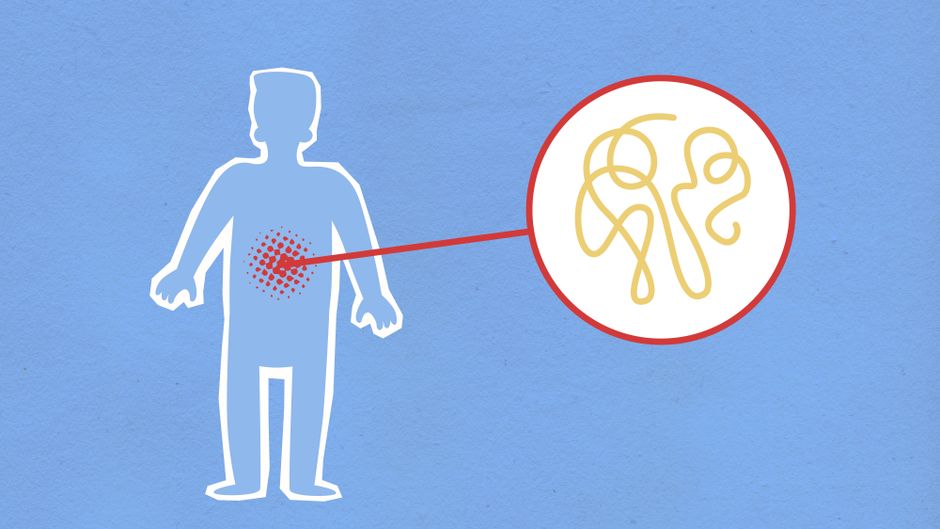
That burning, gnawing pain in your upper belly — the one that makes you wonder if something is seriously wrong — is often stomach inflammation. Medically called gastritis, this condition happens when the stomach lining becomes irritated, swollen, or eroded. The most common causes are a bacterial infection called Helicobacter pylori, regular use of nonsteroidal anti-inflammatory drugs (NSAIDs) like ibuprofen or aspirin, excessive alcohol consumption, and in some cases, the body’s own immune system attacking the stomach lining. Stress and bile reflux can also play a role. The good news: gastritis is usually treatable once you identify the cause.
What Causes An Inflammation Stomach?
The stomach lining is tough, but it has limits. When something damages it faster than it can repair, inflammation begins. The main triggers fall into a few categories.
H. pylori infection. This bacterium is the most common cause of chronic gastritis worldwide. It burrows into the protective mucus layer of the stomach and sets off an immune response that keeps inflammation going. Many people carry it without symptoms. Others develop persistent gastritis.
NSAID pain relievers. Drugs like ibuprofen, naproxen, and high-dose aspirin reduce inflammation in joints but also block chemicals that protect the stomach lining. This leaves the lining vulnerable to stomach acid. Regular use — even for a few weeks — can cause inflammation and even ulcer formation.
Alcohol. Alcohol directly irritates the stomach lining and increases acid production. Heavy drinking sessions can cause acute gastritis. Chronic heavy drinking can lead to long-term inflammation.
Autoimmune gastritis. This is less common. Here, the immune system mistakenly attacks the cells that produce stomach acid. Over time, this damages the lining and causes a specific type of chronic inflammation. It often runs in families.
Bile reflux. Bile is a fluid made by the liver to help digest fat. Sometimes it flows backward into the stomach, especially after certain surgeries. Bile can irritate the lining and cause inflammation.
Stress. Severe physical stress — from major surgery, burns, or serious illness — can cause a form of gastritis called stress-related mucosal damage. This is different from everyday emotional stress. The role of psychological stress in chronic gastritis is less clear, though some research suggests it can worsen symptoms and slow healing.
How Does H. pylori Infection Cause Gastritis?
H. pylori is a spiral-shaped bacterium that thrives in the acidic environment of the stomach. It produces an enzyme called urease that neutralizes stomach acid around it, allowing it to survive. Once it colonizes the mucus layer, it damages the cells underneath.
The body’s immune response — sending white blood cells to fight the infection — also contributes to the inflammation. This chronic immune battle can last for years. Over time, the stomach lining may thin, and acid production may change. Some people develop ulcers. A small number go on to develop stomach cancer if the infection is untreated, though most never have that outcome.
Testing for H. pylori is simple — a breath test, stool test, or biopsy during an upper endoscopy. Treatment typically involves a combination of antibiotics and acid-lowering medications taken for 10 to 14 days.
Can NSAIDs and Other Pain Relievers Cause Stomach Inflammation?
Yes, and this is one of the most common preventable causes. NSAIDs work by blocking enzymes called cyclooxygenase (COX-1 and COX-2). COX-1 helps produce protective mucus in the stomach. When that enzyme is blocked, the stomach lining loses some of its first line of defense against acid.
Risk factors for NSAID-related gastritis include taking higher doses, using them for more than a few days, being over age 60, having a history of ulcers, and taking medications like blood thinners or corticosteroids at the same time. Even over-the-counter NSAIDs can cause problems if used regularly.
Acetaminophen (Tylenol) does not cause gastritis because it works differently. For people who need pain relief but are at risk, it is a safer alternative for the stomach — though it has its own risks for the liver at high doses.





What Role Does Alcohol Play in Gastritis?
Alcohol can cause both acute and chronic gastritis. In the short term, alcohol directly damages the cells lining the stomach. It also stimulates stomach acid secretion and can impair the ability of the stomach lining to repair itself.
A single episode of heavy drinking can cause acute gastritis — symptoms like nausea, vomiting, and upper abdominal pain that usually resolve within a few days if you stop drinking. Chronic heavy drinking, especially on an empty stomach, can lead to ongoing inflammation and increase the risk of bleeding from the stomach lining.
For people with existing gastritis from other causes, even moderate alcohol intake can make symptoms worse. The evidence is clear: reducing or eliminating alcohol helps the stomach lining heal.
Is Stress a Real Cause of Stomach Inflammation?
This is a nuanced area. Severe physical stress — such as from a major trauma, surgery, burns, or critical illness — can cause acute erosive gastritis. This happens because blood flow to the stomach decreases during extreme stress, and the lining cannot protect itself from acid. This type is seen in hospital settings and can be serious.
Everyday psychological stress — work pressure, family worries — does not directly cause visible inflammation of the stomach lining in most studies. However, some research suggests that emotional stress can increase acid production and change blood flow to the stomach. It may also make existing gastritis symptoms feel worse. Stress does not cause gastritis the way H. pylori or NSAIDs do, but it can contribute to flare-ups in people who already have the condition.
What Are the Symptoms of an Inflamed Stomach?
Not everyone with gastritis has symptoms. But when symptoms appear, they typically include:
- A burning or gnawing pain in the upper abdomen (just below the breastbone)
- Nausea or feeling like you need to vomit
- Bloating or feeling full quickly after eating a small amount
- Loss of appetite
- Indigestion or burping more than usual
If the inflammation has caused bleeding, you might notice black, tarry stools or vomit that looks like coffee grounds. These are warning signs and require immediate medical attention.
Acute gastritis comes on suddenly and often resolves quickly once the irritant is removed. Chronic gastritis develops slowly and may last for months or years if untreated. See a doctor if your symptoms last more than a week or if you have severe pain, vomiting blood, or dark stools.
How Is Stomach Inflammation Diagnosed and Treated?
Diagnosis starts with a history and physical exam. Your doctor will ask about pain, medication use, alcohol habits, and whether you have risk factors for infection.
If the cause is not obvious or symptoms are severe, an upper endoscopy may be done. This involves a thin tube with a camera passed through the mouth into the stomach. The doctor can see the lining and take small tissue samples (biopsies) to test for H. pylori or other changes.
Treatment depends on the cause.
- For H. pylori infection: a course of antibiotics plus a medication that reduces stomach acid, usually a proton pump inhibitor (PPI) like omeprazole or lansoprazole. The antibiotics target the bacterium, and the PPI helps the lining heal.
- For NSAID-related gastritis: stopping the NSAID is the first step. Acid reducers help the lining recover. Most people improve within days to weeks.
- For alcohol-related gastritis: avoiding alcohol is key. Acid reducers and sometimes antacids can relieve symptoms while the lining heals.
- For autoimmune gastritis: there is no cure, but monitoring for vitamin B12 deficiency (common in this type) and replacing it if needed is standard. Acid reduction may help symptoms, but the underlying immune process continues.
- For bile reflux: medications that bind bile acids or promote stomach emptying may help. Sometimes surgery is needed in severe cases.
Lifestyle changes also support treatment: eating smaller meals, avoiding spicy or very acidic foods, quitting smoking, and reducing alcohol. There is good evidence that these steps help reduce symptoms and allow healing.
Frequently Asked Questions
Can stomach inflammation go away on its own?
Mild, short-term gastritis caused by a temporary irritant like a very spicy meal or a few days of heavy drinking can resolve on its own within a few days. Chronic gastritis from infection or autoimmune disease will not go away without treatment.
What foods should I avoid with gastritis?
Spicy foods, acidic foods like citrus and tomatoes, fried and fatty foods, and alcohol are common triggers. There is no one-size-fits-all diet, so pay attention to what worsens your symptoms.
Is gastritis the same as GERD?
No. Gastritis is inflammation of the stomach lining. GERD (gastroesophageal reflux disease) is when stomach acid flows backward into the esophagus, causing heartburn. They can occur together but are separate conditions.
When should I see a doctor for stomach inflammation?
See a doctor if you have severe or persistent upper abdominal pain, vomiting blood, black or tarry stools, or unintentional weight loss. Also seek care if your symptoms last longer than a week despite avoiding known triggers.
