
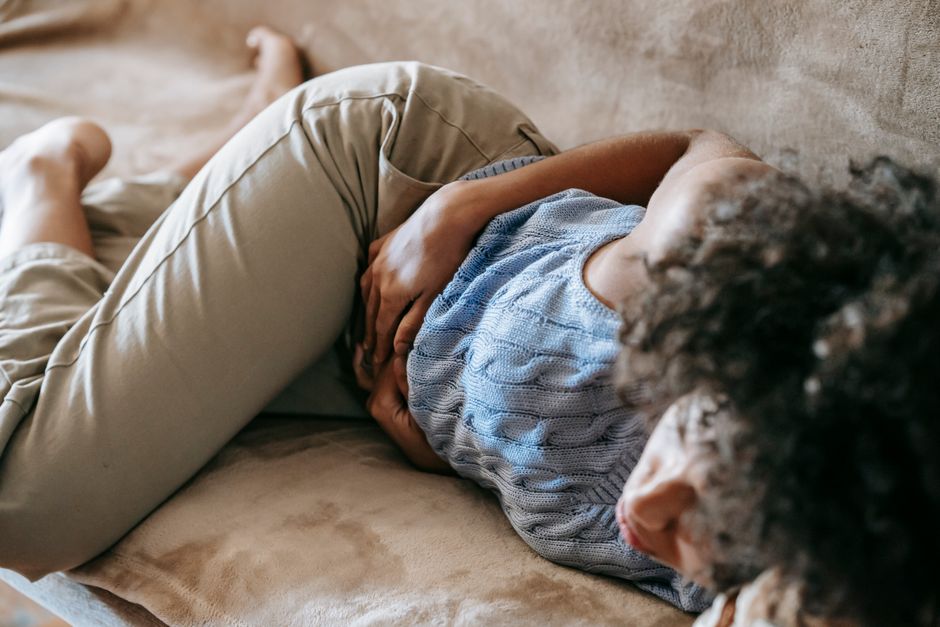
Low estrogen affects far more than fertility. It can change your sleep, your mood, your bones, and even your body temperature. The most common symptoms include hot flashes, night sweats, irregular or absent periods, vaginal dryness, and mood changes. These symptoms often appear during perimenopause, the transition years before menopause, but they can also happen after childbirth, with extreme exercise, or from certain medical treatments. Recognizing these signs early matters because low estrogen has long-term effects on bone health and heart health that go beyond daily discomfort.
What Are The Symptoms Of Low Estrogen?
The hallmark symptoms of low estrogen are hot flashes and night sweats. These affect up to 80% of women during perimenopause. A hot flash is a sudden feeling of intense heat that spreads across the chest, neck, and face. It often comes with sweating and a rapid heartbeat. Night sweats are simply hot flashes that happen while you sleep, and they frequently cause waking up drenched.
Vaginal dryness is another core symptom. Estrogen keeps vaginal tissues moist, elastic, and healthy. When levels drop, the tissue thins and becomes less lubricated. This can make sex painful and can increase the risk of vaginal infections. Some women also notice urinary changes, like needing to urinate more often or having more frequent urinary tract infections.
Mood changes are common but less discussed. Many women report new or worsening anxiety, irritability, and low mood. Sleep disruption often makes this worse. If you are waking up multiple times a night with sweats, your mood will suffer even if your estrogen level is not the direct cause of every emotional shift.
How Do I Know If My Estrogen Is Low?
Blood tests can measure estrogen, but the results are not always straightforward. Estrogen levels fluctuate throughout your menstrual cycle, so a single reading only captures one moment. During perimenopause, levels can swing from normal to low to high within the same month. A low reading on one day does not confirm a permanent state.
Doctors usually diagnose low estrogen based on your symptoms and your stage of life rather than a blood test alone. If you are in your late 40s or 50s and experiencing hot flashes with irregular periods, the diagnosis is usually clear without testing. If you are younger and your periods have stopped, testing becomes more useful to rule out other causes like thyroid problems or pituitary disorders.
If you have had your ovaries surgically removed or have gone through cancer treatment that suppressed your ovaries, your estrogen will drop suddenly and dramatically. In these cases, symptoms are often more intense than with natural menopause because the decline is abrupt rather than gradual.
What Causes Estrogen Levels To Drop?
Natural aging is the most common cause. As you approach menopause, your ovaries produce less estrogen. This decline typically begins in your mid-40s and continues until your final menstrual period, which happens on average around age 51 in the United States.
Surgical removal of both ovaries causes immediate and severe estrogen withdrawal. This is called surgical menopause. It produces more intense symptoms than natural menopause because the body has no time to adjust. The same applies to chemotherapy or radiation that damages ovarian function, though this is not always permanent.
Other causes include:
- Extreme calorie restriction or eating disorders that suppress ovarian function
- Very high levels of exercise that stop menstrual cycles, common in endurance athletes
- Postpartum hormone shifts after giving birth
- Premature ovarian insufficiency, when ovaries stop working before age 40
- Certain medications, including some used for endometriosis or fertility treatment
Each cause has a different timeline. Postpartum drops usually resolve within months. Exercise-related suppression often reverses when training intensity decreases. Premature ovarian insufficiency is permanent and requires long-term hormone management.



How Does Low Estrogen Affect The Body Long Term?
Estrogen does more than regulate reproduction. It protects bone density. When estrogen drops, bone breakdown outpaces bone formation. This is why osteoporosis risk rises sharply after menopause. The most rapid bone loss happens in the first few years after your final period, and it continues at a slower rate afterward.
Heart health also changes. Estrogen helps keep blood vessels flexible and supports healthy cholesterol levels. After menopause, the risk of cardiovascular disease increases. This does not mean low estrogen causes heart disease directly, but the protective effect of estrogen is reduced. The American Heart Association notes that heart disease risk rises after menopause, though age itself is also a factor.
Cognitive changes are reported by many women. Brain fog, difficulty finding words, and memory lapses are common complaints during perimenopause. Some research suggests estrogen supports certain brain functions, but the evidence on whether hormone therapy protects long-term memory is mixed. The connection is real for many women, but it is not fully understood.
Skin and hair changes also occur. Lower estrogen reduces collagen production, which can make skin drier and less elastic. Some women notice more wrinkles or thinning hair. These changes are cosmetic but can affect quality of life and self-image.
What Treatments Are Available?
Menopausal hormone therapy is the most effective treatment for moderate to severe hot flashes and vaginal symptoms. It replaces the estrogen your body has stopped making. It comes as pills, patches, gels, vaginal creams, or rings. The patch and vaginal forms carry lower risks than oral pills for blood clots in some women.
Hormone therapy is not right for everyone. Women with a history of breast cancer, blood clots, or liver disease generally should not take systemic estrogen. The decision requires a careful conversation with your doctor about your personal risk profile. The benefits often outweigh the risks for healthy women under 60 who are within 10 years of menopause onset, but this is an individual decision.
Non-hormonal options exist for women who cannot or choose not to take hormones. Certain antidepressants at low doses reduce hot flashes. Gabapentin, a nerve pain medication, also helps some women. These are less effective than estrogen for most women, but they are meaningful options.
Lifestyle changes can help with mild symptoms. Dressing in layers, keeping your bedroom cool, and avoiding triggers like spicy food, caffeine, and alcohol can reduce the frequency of hot flashes. Regular exercise and stress management techniques like deep breathing may help, though the evidence for specific supplements is limited.
Vaginal dryness responds well to over-the-counter lubricants and moisturizers. For persistent symptoms, low-dose vaginal estrogen is highly effective and is generally considered safe because very little enters the bloodstream. This form is often used even in women who cannot take systemic hormones, but this should be discussed with a doctor.
When Should I See A Doctor?
See a doctor if your symptoms disrupt your daily life. If hot flashes keep you awake most nights, if mood changes affect your relationships or work, or if vaginal dryness makes sex painful, these are valid reasons to seek help. You do not need to suffer through these symptoms.
Seek prompt medical attention if your periods stop before age 40, if you bleed heavily or between periods, or if you have any vaginal bleeding after a year without periods. These can signal other conditions that need evaluation.
If you are younger and your periods have stopped for three months or more without pregnancy, you should be evaluated. This could indicate premature ovarian insufficiency, which has implications for fertility and long-term bone health that deserve early attention.
Frequently Asked Questions
Can low estrogen cause weight gain?
Low estrogen can contribute to weight gain, particularly around the abdomen. Hormone changes affect how your body stores fat and can slow metabolism, though age and lifestyle also play major roles.
How long do low estrogen symptoms last?
Hot flashes and other symptoms typically last 4 to 7 years, but some women experience them for more than a decade. Symptoms are usually most intense in the first year after your final period.
Can low estrogen cause hair loss?
Yes, low estrogen can cause hair thinning or increased shedding. Estrogen supports hair growth cycles, and lower levels can shorten the growing phase of hair follicles.
Does low estrogen make you tired?
Fatigue is a common complaint with low estrogen. Night sweats disrupt sleep, and hormonal changes can directly affect energy levels and mood.
