
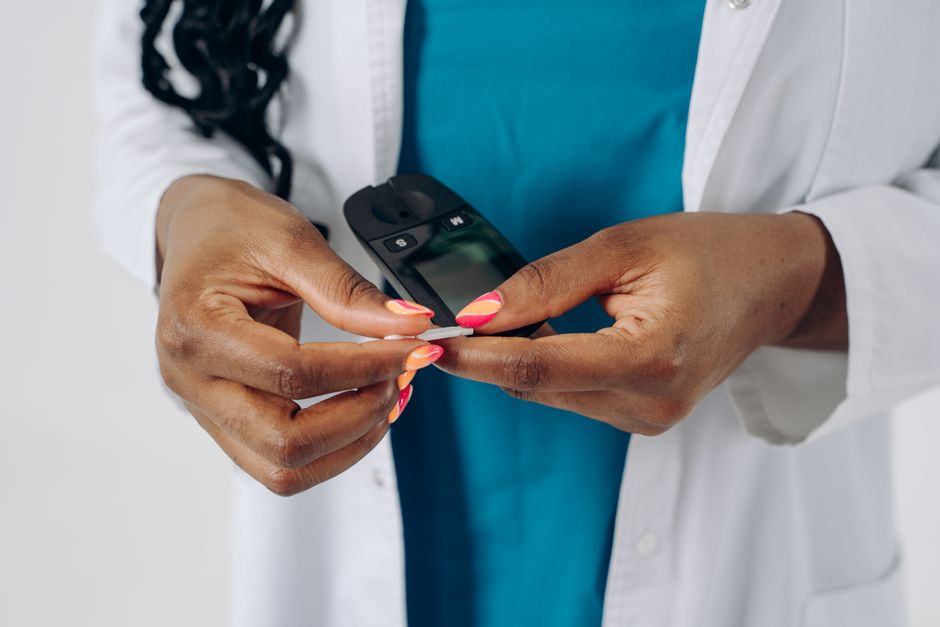
Checking your estrogen levels is not something you can do accurately with a home test kit. While at-home hormone tests exist, most only measure estrogen in saliva or urine, which gives a limited picture that doctors rarely use for diagnosis. The most reliable way to check estrogen levels is through a blood test ordered by a doctor, typically on day 3 of your menstrual cycle if you menstruate.
How To Check Estrogen Levels At Home Or With A Doctor?
The short answer is that at-home tests can give you a general reading, but they cannot diagnose a medical condition. Blood testing through a doctor remains the gold standard because it measures the exact forms of estrogen that matter for clinical decisions.
At-home tests usually analyze saliva or urine. Saliva tests measure the fraction of estrogen that is “free” or bioavailable in your tissues. Urine tests measure estrogen metabolites, which are the breakdown products your body produces after using the hormone. Neither of these tests tells a doctor what they need to know about how your ovaries, pituitary gland, or other organs are actually functioning.
A blood test measures estradiol, which is the main and most potent form of estrogen in the body. It also measures estrone and estriol when needed. Blood tests are standardized, repeatable, and have clear reference ranges. That is why doctors rely on them.
What Are The Different Types Of Estrogen?
Estrogen is not a single hormone. It is a group of hormones, and each one plays a different role.
Estradiol is the dominant estrogen in women of reproductive age. It drives the menstrual cycle, supports bone density, and affects mood and skin. When doctors check “estrogen levels,” they are usually measuring estradiol.
Estrone is the primary estrogen after menopause. It is weaker than estradiol but still active. The body converts estradiol into estrone, and after menopause estrone becomes the main estrogen circulating in the body.
Estriol is the estrogen that rises significantly during pregnancy. It is the weakest of the three. Non-pregnant women have very low levels of estriol.
Understanding which estrogen is being measured matters. A urine test that reports “total estrogen metabolites” is not the same as a blood test measuring estradiol. They answer different questions.
What Do At-Home Estrogen Tests Actually Measure?
At-home tests are sold as finger-prick blood tests, saliva tests, and urine tests. Each has significant limitations.
Finger-prick blood tests are the most accurate of the home options. They measure estradiol in dried blood spots. Some research suggests these can be reasonably reliable, but they are still not equivalent to venous blood draws done in a lab. The collection process is easy to get wrong, and a small sample can lead to unreliable results.
Saliva tests measure bioavailable estradiol. This is the fraction of the hormone that is not bound to proteins in the blood and is therefore active in tissues. Saliva testing is used in some fertility awareness methods, but it is not considered diagnostic by mainstream medicine. Levels fluctuate significantly throughout the day, and collection methods vary between labs, making results hard to compare.
Urine tests measure estrogen metabolites. These tests are popular in functional medicine and wellness circles. They can show how your body is processing and eliminating estrogen, but they do not tell you how much estrogen is currently active in your bloodstream. A doctor cannot use a urine test to diagnose a deficiency or excess.
No at-home test can diagnose conditions like polycystic ovary syndrome, menopause, or ovarian failure. Those require a clinical evaluation that combines blood tests, symptoms, and often imaging.





When Should You Ask A Doctor To Check Estrogen Levels?
Doctors do not routinely check estrogen levels in healthy people. Testing is reserved for specific clinical situations.
Common reasons to test include:
- Irregular or absent menstrual periods
- Signs of early menopause before age 40
- Difficulty getting pregnant
- Unexplained hot flashes, night sweats, or vaginal dryness
- Monitoring hormone replacement therapy
- Evaluating pituitary or ovarian function
If you are experiencing any of these, a doctor can decide whether estrogen testing is appropriate. Testing without a clinical reason often produces results that are hard to interpret and can cause unnecessary worry.
For example, estrogen levels fluctuate naturally across the menstrual cycle. They rise in the first half of the cycle, peak just before ovulation, and then fall. A single reading taken on the wrong day can look abnormally high or low even in a perfectly healthy person.
How Does A Doctor Test Estrogen Levels?
A doctor orders a blood test, usually measuring estradiol. The timing depends on why the test is being done.
For evaluating fertility or menstrual cycle issues, the test is usually done on day 3 of the menstrual cycle. Day 1 is the first day of full flow. This timing gives a baseline reading of ovarian function. It is often paired with other hormones like follicle-stimulating hormone (FSH) and luteinizing hormone (LH).
For confirming menopause, doctors usually measure FSH rather than estrogen. FSH rises dramatically as the ovaries slow down. A high FSH level combined with the absence of periods for 12 months is the standard way menopause is confirmed. Estradiol levels are low in menopause, but they fluctuate and are less reliable as a single marker.
For monitoring hormone replacement therapy, doctors may check estradiol levels to ensure the dose is appropriate. This is done in specific situations and not universally recommended for all women on therapy.
The blood test itself is simple. Blood is drawn from a vein in your arm and sent to a lab. Results typically come back within a few days. Your doctor interprets the results in the context of your symptoms, age, and menstrual history.
What Are Normal Estrogen Levels?
Normal ranges vary by age, sex, and where a person is in their menstrual cycle. There is no single “normal” number that applies to everyone.
For premenopausal women, estradiol levels typically range from about 30 to 400 pg/mL depending on the cycle phase. Levels peak just before ovulation. After menopause, estradiol levels drop to below 30 pg/mL.
For men, estradiol levels are much lower, typically ranging from about 10 to 40 pg/mL.
For children, levels are very low until puberty begins.
These ranges are not universal. Different labs use different assays and reporting methods. Always interpret your results using the reference range printed on your lab report, not a range you found online.
Also note that a single out-of-range result does not mean you have a disease. Stress, sleep, medications, and even the time of day can affect estrogen levels. Doctors rarely make a diagnosis based on one lab value alone.
Can You Track Estrogen Levels Without Testing?
Yes, but only indirectly. Tracking your menstrual cycle, basal body temperature, and cervical mucus can help you estimate when estrogen is rising and when ovulation occurs. These methods are useful for fertility awareness but do not give you a numerical estrogen level.
Commercial devices like fertility monitors track these signs and can help predict fertile windows. They are not estrogen tests, even though they respond to estrogen-driven changes in the body.
Some wellness companies sell wearable devices that claim to track hormones through sweat or other biomarkers. These are not validated for clinical use. No wearable device currently on the market can accurately measure estrogen levels in real time.
What Are The Risks Of Testing At Home?
The main risk is misinterpretation. A home test result that looks abnormal can cause significant anxiety, even when nothing is wrong. Conversely, a normal-looking home test can give false reassurance when a real problem exists.
There is also the risk of acting on unreliable data. Some people adjust their diet, supplements, or medications based on home test results. This can be harmful if the underlying data is inaccurate.
Finally, at-home tests are not regulated as medical devices in the same way laboratory tests are. The accuracy and consistency of these tests vary widely between brands. Some have never been validated against standard laboratory methods.
If you are concerned about your estrogen levels, the safest step is to talk to a doctor. Describe your symptoms honestly. The doctor can determine whether testing is needed and, if so, order the right test at the right time.
Frequently Asked Questions
Can a home test diagnose menopause?
No. Home tests cannot diagnose menopause. Menopause is confirmed by symptoms and a blood test for FSH, which doctors order based on your clinical history.
What day of my cycle should I test estrogen?
Doctors typically test estradiol on day 3 of your menstrual cycle to evaluate ovarian function. For other purposes, such as monitoring fertility treatment, timing may differ.
Are saliva estrogen tests accurate?
Saliva tests measure bioavailable estradiol but are not considered diagnostic by mainstream medicine. They may be useful for research or fertility awareness, but not for clinical decisions.
Do I need a doctor to check my estrogen levels?
Yes. A blood test ordered by a doctor is the only reliable way to check estrogen levels for medical purposes. At-home tests do not provide results that can guide treatment.
