
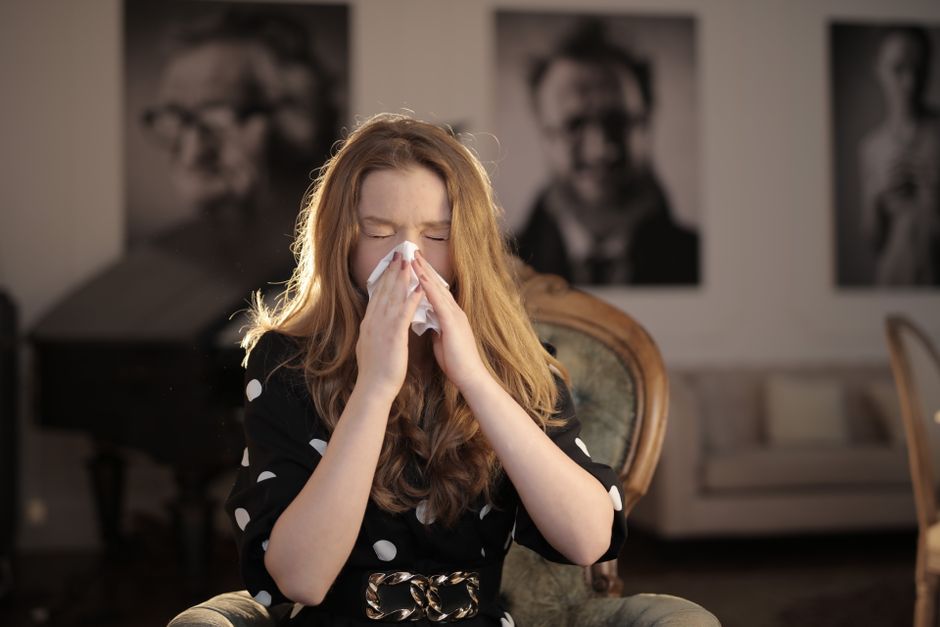
Epstein-Barr virus (EBV) is one of the most common viruses in humans. Most people get it at some point in their lives, often as a child or young adult. When symptoms do appear, they usually look like a bad case of the flu and can last for weeks. The classic symptoms of Epstein-Barr virus include severe fatigue, a sore throat, fever, and swollen lymph nodes in the neck. These symptoms typically appear 4 to 6 weeks after exposure to the virus.
What Are The Symptoms Of Epstein Barr Virus?
The most recognizable set of symptoms is often called infectious mononucleosis, or “mono.” This is the illness that EBV causes in teenagers and adults. The symptoms are not subtle. They come on gradually over several days and can be intense.
The four hallmark symptoms are:
- Severe fatigue that is not relieved by sleep. This is often the most disabling symptom and can last for weeks or even months.
- Sore throat that is often severe enough to be mistaken for strep throat. It may cause difficulty swallowing.
- Fever that typically ranges from 101°F to 104°F.
- Swollen lymph nodes, especially in the neck and armpits. They may feel tender.
Many people also experience a headache, muscle aches, and a poor appetite. Some people develop a swollen spleen or liver. About 1 in 10 people with mono develops a pink, measles-like rash, though this is more common if they take certain antibiotics.
How Long Do Symptoms Last?
The acute phase of the illness usually lasts 2 to 4 weeks. During this time, the fatigue and sore throat are at their worst. The fever often comes and goes.
After the acute phase, the fatigue can linger. Some people feel tired for another month or two. In rare cases, fatigue persists for six months or longer. This is sometimes called chronic fatigue, but it is not the same as chronic active EBV, which is a very rare and serious condition.
Most people recover fully. The virus itself never leaves the body. Like other herpes viruses, EBV stays dormant in your cells for life. It can reactivate without causing symptoms, and you can shed the virus in your saliva even when you feel fine.
How Do EBV Symptoms Differ in Children?
Children under age 5 often have no symptoms at all. When they do, the symptoms are mild and look like a common cold or a mild flu. They may have a slight fever, a runny nose, or a mild sore throat. Swollen lymph nodes are common but often go unnoticed.
This is why EBV is so widespread. Young children with mild symptoms spread the virus easily to other children and adults. By adulthood, most people have antibodies to EBV, meaning they were infected at some point in the past.
When a teenager or young adult gets EBV for the first time, the symptoms are much more severe. The immune system’s response to the virus is stronger, which causes the intense sore throat, fever, and fatigue. This is the classic mono presentation that most people recognize.




How Is EBV Diagnosed?
Doctors often suspect mono based on symptoms alone, especially in a teenager with a severe sore throat, fever, and swollen glands. But the symptoms can look like other illnesses, including strep throat, cytomegalovirus, or even early HIV infection. A test is needed for a confirmed diagnosis.
The most common test is a blood test called the monospot test. It looks for heterophile antibodies, which are antibodies your immune system makes in response to EBV. The test is quick and inexpensive. It is most accurate 1 to 2 weeks after symptoms begin. Early in the illness, it can be falsely negative.
If the monospot is negative but symptoms are strong, doctors may order a full EBV antibody panel. This measures specific antibodies to different parts of the virus. The pattern of results tells the doctor whether the infection is recent, past, or reactivated. A complete blood count may also show an increased number of white blood cells, particularly atypical lymphocytes, which are a sign of the body fighting a viral infection.
What Treatments Are Available?
There is no specific antiviral medication for EBV. Antibiotics do not work because EBV is a virus, not a bacteria. The treatment is supportive care, meaning you manage the symptoms while your immune system clears the infection.
Rest is the main treatment. The body needs energy to fight the virus. Pushing through the fatigue can prolong recovery. Over-the-counter pain relievers like acetaminophen or ibuprofen can reduce fever and ease throat pain. Gargling with warm salt water may also soothe a sore throat.
Corticosteroids are sometimes prescribed when the throat is so swollen it interferes with breathing or swallowing. This is not routine. Most cases do not require steroids. Some clinicians use them for severe tonsillar swelling, but evidence for their routine use is limited.
Avoid contact sports for at least 4 weeks after symptoms start. The spleen can become enlarged during mono, and a blow to the abdomen could rupture it. A ruptured spleen is a medical emergency. Athletes and anyone active should get clearance from a doctor before returning to vigorous exercise.
When Should You See a Doctor?
See a doctor if you have a severe sore throat that lasts more than a few days, a high fever, or extreme fatigue that interferes with daily life. A doctor can confirm the diagnosis and rule out other causes.
Seek emergency care immediately if you have severe pain in the upper left abdomen. This could indicate a ruptured spleen. Difficulty breathing or trouble swallowing also warrants emergency attention.
Most people with mono recover at home without complications. The key is to listen to your body and rest. If symptoms worsen or new symptoms appear, contact your doctor.
Can You Get EBV More Than Once?
You can get EBV more than once in a clinical sense, but it is not common. Once you have the virus, it stays in your body for life. Your immune system keeps it in check. Reactivation usually causes no symptoms.
However, a person with a weakened immune system can experience reactivation with symptoms. This can happen after an organ transplant, during chemotherapy, or with advanced HIV. In these cases, the virus can cause more serious illness, such as inflammation of the brain or liver.
It is also possible to be reinfected with a different strain of EBV. This is rare and usually mild. For most healthy people, having EBV once provides lifelong immunity to symptomatic illness.
What Conditions Are Linked to EBV?
EBV is associated with several cancers, but these are rare complications. The virus is linked to nasopharyngeal carcinoma, a cancer of the nose and throat, and certain lymphomas, including Burkitt lymphoma and Hodgkin lymphoma. These conditions develop years or decades after the initial infection and require additional genetic and environmental factors.
EBV is also linked to multiple sclerosis. Research has shown that people who had EBV have a higher risk of developing MS compared to those who never had the virus. The connection is real, but the absolute risk remains low. Most people who have had EBV never develop MS.
These links are important for researchers, but they should not alarm you. Having EBV is extremely common and does not mean you will develop any of these conditions.
How Does EBV Spread?
EBV spreads through saliva. Kissing is the most common way it passes from one person to another, which is why mono is sometimes called the “kissing disease.” It can also spread through sharing drinks, utensils, or toothbrushes.
The virus does not spread through the air like a cold virus. You cannot catch it from coughing or sneezing. Casual contact, like shaking hands or sitting next to someone, does not spread EBV.
The incubation period is 4 to 6 weeks. This means you can be exposed to the virus and not develop symptoms for over a month. You can also shed the virus in your saliva before symptoms appear and for months after you feel better.
Frequently Asked Questions
Can you have Epstein-Barr virus without knowing it?
Yes, especially in young children. Many children under age 5 have no symptoms or only mild cold-like symptoms that go unnoticed.
How long is mono contagious?
You can spread the virus for weeks before symptoms appear and for several months after recovery. The virus stays in your saliva on and off for life.
Is mono the same as Epstein-Barr virus?
Mono is the illness caused by EBV, but not everyone with EBV gets mono. Many people have no symptoms or only mild ones.
Can stress reactivate Epstein-Barr virus?
Stress can weaken the immune system, which may allow the dormant virus to reactivate. Most reactivations cause no symptoms at all.
