
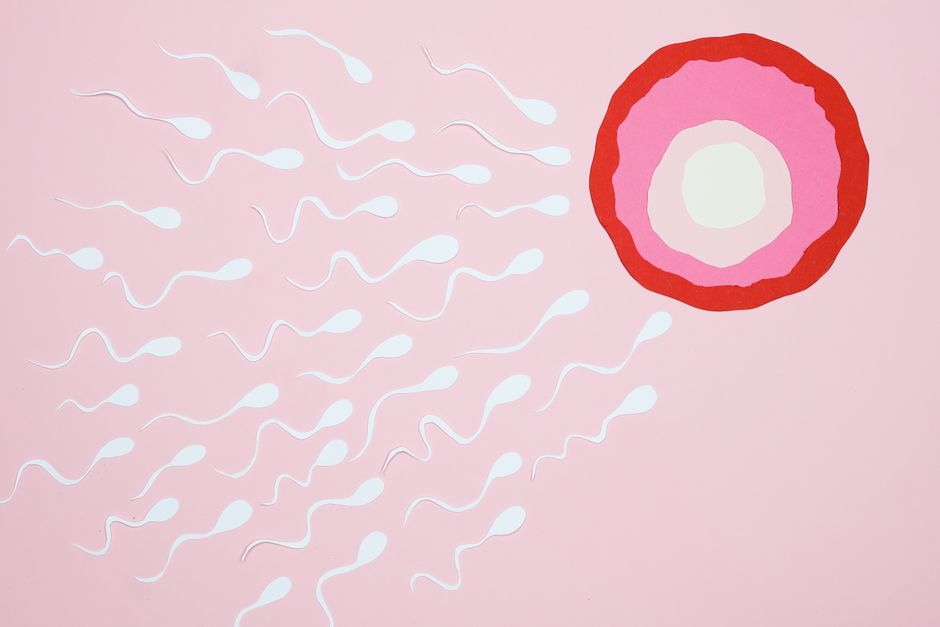
Knowing when you ovulate is one of the most useful things you can track about your body. Ovulation happens when an ovary releases a mature egg. This usually occurs once per cycle, around day 14 if you have a 28-day cycle. Your body gives clear signs it is happening. The most reliable signs are changes in cervical mucus, a slight rise in basal body temperature, and mild cramping on one side. These symptoms are real. They are not vague. You just need to know what to look for.
What Exactly Is Ovulation and Why Does It Matter?
Ovulation is the process where a mature egg is released from the ovary and travels down the fallopian tube. This is the only time during your cycle when pregnancy can happen. The egg survives for about 12 to 24 hours after release. Sperm can live inside the body for up to five days. That means the fertile window is about six days long — the five days before ovulation plus the day of ovulation itself.
Tracking ovulation matters for two main reasons. If you want to get pregnant, knowing your fertile window helps you time intercourse. If you want to avoid pregnancy, knowing when you ovulate helps you avoid unprotected sex during that window. It also matters for general health. Irregular ovulation can signal hormone imbalances, thyroid issues, or conditions like PCOS. Many women track ovulation to understand their cycle better, even when not trying to conceive.
As of 2026, current research suggests that about 30 percent of women experience some form of ovulation pain. Most do not track it. Many miss the signs entirely. Learning your own pattern takes a few cycles of paying attention.
What Are the Most Common Physical Signs of Ovulation?
Your body produces clear physical changes around ovulation. The most noticeable is a change in cervical mucus. Before ovulation, mucus becomes clear, slippery, and stretchy — similar to raw egg whites. This texture helps sperm swim toward the egg. After ovulation, mucus becomes thicker and stickier or dries up completely.
Another common sign is a mild ache or twinge on one side of the lower abdomen. This is called mittelschmerz, which is German for “middle pain.” It happens when the follicle stretches before releasing the egg. Some women feel it as a sharp pinch. Others feel a dull ache that lasts a few hours. It is not dangerous. It is just a signal.
Some women also notice light spotting around ovulation. This happens when the follicle ruptures and a small amount of blood enters the abdominal cavity. Spotting is usually pink or light brown and lasts less than a day. If spotting is heavy or lasts longer, check with your doctor.
Breast tenderness is another reported sign. Hormone shifts around ovulation can make breasts feel fuller or more sensitive. This is less specific than mucus changes or cramping. Many things cause breast tenderness, so it is not reliable on its own.
How Can You Track Ovulation With Temperature and Cervical Mucus?
Basal body temperature (BBT) is one of the most reliable ways to confirm ovulation after it happens. You take your temperature with a special BBT thermometer every morning before getting out of bed. Before ovulation, your temperature stays in a lower range. After ovulation, progesterone causes a temperature rise of about 0.5 to 1 degree Fahrenheit. This rise stays elevated until your next period.
The key point is that BBT confirms ovulation after it has already occurred. It does not predict it. You need to track for several days to see the pattern. Many apps help you log this data. But the app cannot tell you what is happening in real time. Only your body can do that.
Cervical mucus tracking is better for predicting ovulation. You check mucus by wiping with toilet paper before urinating or by inserting a clean finger. The fertile pattern is clear, slippery, and stretchy. This is the best time to have sex if you are trying to conceive. Once mucus becomes thick or dry again, ovulation has likely passed.
| Tracking Method | What It Tells You | Best For |
|---|---|---|
| Basal body temperature | Confirms ovulation after it happens | Confirming ovulation occurred |
| Cervical mucus | Predicts ovulation is coming | Timing intercourse |
| Ovulation predictor kits | Detects LH surge 24-36 hours before ovulation | Short-term prediction |
| Fertility monitor | Tracks multiple hormones | Detailed cycle mapping |



Do Ovulation Predictor Kits and Apps Actually Work?
Ovulation predictor kits (OPKs) detect the surge in luteinizing hormone (LH) that happens about 24 to 36 hours before ovulation. They are urine tests similar to pregnancy tests. When the test line is as dark or darker than the control line, you are about to ovulate. Studies have found that OPKs are about 99 percent accurate at detecting the LH surge when used correctly.
But there is a catch. Some women have multiple LH surges in one cycle. Others have a surge but do not actually ovulate. This is called luteinized unruptured follicle syndrome. OPKs cannot tell you whether ovulation actually happened. They only tell you your body tried. That is why many fertility specialists recommend combining OPKs with BBT or cervical mucus tracking.
Fertility apps are popular but have limits. A 2018 study in the journal Contraception found that popular period tracking apps predicted fertile windows correctly only about 20 to 30 percent of the time. The apps rely on averages and algorithms. They cannot account for cycle variation, stress, illness, or travel. Do not trust an app alone. Use it as a log, not a predictor.
Some women report success with wearable fertility trackers that measure skin temperature or heart rate. Evidence indicates these devices are improving but still less accurate than BBT and mucus tracking combined. As of 2026, the FDA has cleared some of these devices for fertility tracking, but they are not medical devices for diagnosis.
How To Know If Youre Ovulating Signs And Symptoms That Are Less Common
Some women experience less common signs that still point to ovulation. Increased libido is one. Estrogen levels peak right before ovulation, and many women report feeling more sexually interested during this time. This is a natural biological signal. It is not the most reliable sign on its own, but combined with other symptoms it adds useful data.
Changes in cervical position are another sign. Around ovulation, the cervix becomes softer, higher, and more open. You can check this by inserting a clean finger into the vagina and feeling for the cervix. It feels like the tip of your nose when not fertile. Around ovulation, it feels more like your lips. This is not something most women do regularly, but it is a valid method taught in fertility awareness programs.
Some women report heightened sense of smell or taste around ovulation. Research suggests that estrogen may increase sensitivity to certain odors, particularly male pheromones like androstenone. This is not well-studied enough to rely on, but some women notice it.
Acne breakouts can occur around ovulation due to hormone shifts. Some women get breakouts before ovulation. Others get them after. It varies widely. Skin changes are not a reliable sign of ovulation timing, but they can be part of your personal pattern.
What Can Disrupt Ovulation or Make Signs Hard to Read?
Many things can throw off ovulation signs. Stress is one of the biggest. High cortisol levels can delay or suppress ovulation entirely. Even mild stress from work or travel can shift your cycle by a few days. Illness, especially with fever, can also delay ovulation.
Hormonal birth control obviously prevents ovulation. But even after stopping birth control, it can take several months for ovulation to return to a regular pattern. Some women ovulate right away. Others take six months or longer. This is normal, but it makes tracking harder during that transition.
Polycystic ovary syndrome (PCOS) is a common cause of irregular or absent ovulation. Women with PCOS may have high LH levels all the time, which makes OPKs useless. They may also have inconsistent mucus patterns. If you have PCOS, tracking BBT and working with a specialist is usually more helpful than relying on over-the-counter kits.
Thyroid disorders can also disrupt ovulation. Both hyperthyroidism and hypothyroidism can cause irregular cycles or anovulation. If your cycles are consistently longer than 35 days or shorter than 21 days, or if you skip periods often, see a doctor. That is not normal and may indicate an underlying issue.
Weight extremes affect ovulation too. Being significantly underweight or overweight can disrupt hormone production. Fat cells produce estrogen, and too much or too little body fat can throw off the balance needed for regular ovulation. This is why some women with eating disorders or extreme athletes stop ovulating.
Common Misconceptions About Ovulation Signs
One common myth is that ovulation always happens on day 14. That is only true for a textbook 28-day cycle. Most women do not have a 28-day cycle. Cycles can range from 21 to 35 days and still be normal. Ovulation can happen anywhere from day 10 to day 20 depending on your cycle length. Do not assume a specific day.
Another myth is that you cannot get pregnant if you have sex during your period. Sperm can live for five days. If you have a short cycle and ovulate early, having sex on the last day of your period could lead to pregnancy. It is rare but possible. Do not rely on period timing alone for birth control.
Some people believe that ovulation pain means something is wrong. Mild pain is normal. Severe pain is not. If you have sharp, debilitating pain that lasts more than a day or two, see a doctor. That could be a ruptured cyst, endometriosis, or an ectopic pregnancy. Do not ignore severe pain.
There is also a myth that you can feel the exact moment the egg is released. You cannot. The sensation you feel is the follicle stretching before release or the rupture itself. You are not feeling the egg. You are feeling the follicle. That distinction matters because the pain timing can vary by several hours.
Frequently Asked Questions
Frequently Asked Questions
How long does ovulation last each month?
Ovulation itself lasts about 12 to 24 hours. The fertile window lasts about six days total because sperm can survive for five days before ovulation.
Can you ovulate without any symptoms?
Yes, some women ovulate without noticing any physical signs. Using basal body temperature tracking or ovulation predictor kits can help confirm ovulation even without symptoms.
Is ovulation pain a reliable sign of fertility?
Ovulation pain is a helpful clue but not reliable on its own. About 30 percent of women experience it, and it does not guarantee ovulation actually occurred that cycle.
Do ovulation tests work if you have irregular cycles?
Ovulation tests can work but are harder to use with irregular cycles. You may need to test more days or use them alongside basal body temperature tracking for better accuracy.
