
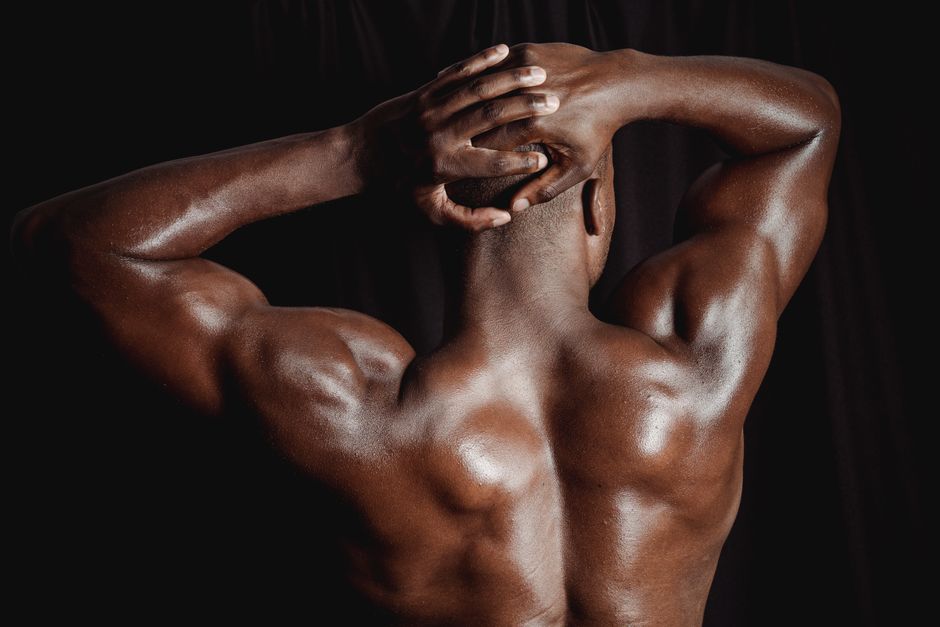
The muscular system is the collection of more than 600 muscles that make up roughly 40 percent of your body weight. These muscles do far more than help you lift weights or run. They pump your blood, move food through your digestive tract, and expand and contract your lungs with every breath. The muscular system is divided into three main types: skeletal, smooth, and cardiac muscle. Each type has a distinct structure and a specific job, and understanding how they work helps explain how your body moves and functions every single day.
What Are The Muscles In The Muscular System?
The muscular system includes every muscle in the body, but they are not all the same. Skeletal muscles attach to bones and are under your conscious control. These are the muscles you use to walk, talk, and pick up objects. Smooth muscles line your blood vessels, stomach, intestines, and airways. They work automatically without you thinking about them. Cardiac muscle is found only in the heart, and it never stops working from before birth until the moment you die.
Each muscle type has a different microscopic structure. Skeletal muscle fibers appear striped, or striated, under a microscope because of how their protein filaments are arranged. Cardiac muscle is also striated but has unique connections between cells. Smooth muscle has no stripes at all. These structural differences match the different jobs each muscle performs.
How Many Muscles Are In The Human Body?
Most anatomy textbooks state that the human body has over 600 skeletal muscles. The exact number varies slightly depending on how anatomists count them. Some sources list 640, while others count 650 or more. The variation comes from whether small muscles, like certain muscles in the face and hands, are counted individually or grouped together.
What matters more than the exact count is the distribution. More than half of your skeletal muscles are located in your head, neck, and upper limbs. Your legs contain the largest muscles in the body, including the gluteus maximus, which is the biggest muscle by mass. The smallest skeletal muscle is the stapedius, which is inside your ear and is only about one millimeter long.
What Are The Three Types Of Muscle Tissue?
The three types of muscle tissue are skeletal, smooth, and cardiac. They differ in structure, function, and how they are controlled.
Skeletal muscle is voluntary, meaning you control it consciously. It attaches to bones through tendons and is responsible for all deliberate movement. Skeletal muscle is striated, meaning it has a banded appearance under a microscope. These muscles fatigue with use but also grow stronger with training.
Smooth muscle is involuntary. You cannot consciously control it. It lines the walls of hollow organs like the stomach, bladder, blood vessels, and airways. Smooth muscle contracts slowly and rhythmically, which is essential for functions like pushing food through your intestines and regulating blood pressure.
Cardiac muscle is also involuntary and is found only in the heart. It has properties of both skeletal and smooth muscle. Like skeletal muscle, it is striated. Like smooth muscle, it contracts automatically. Cardiac muscle cells are interconnected in a way that allows electrical signals to spread quickly, so the heart beats as one coordinated unit.


What Are The Main Functions Of The Muscular System?
The muscular system performs several critical jobs beyond movement. Understanding these functions shows why muscle health matters for your whole body, not just your appearance.
- Movement: Skeletal muscles pull on bones to create movement at joints. Every step, breath, and blink depends on this.
- Posture: Muscles hold your body upright against gravity. Even when you stand still, muscles in your back, abdomen, and legs are constantly making small adjustments.
- Heat production: Muscle contractions generate heat. Shivering is a rapid muscle contraction that raises body temperature when you are cold.
- Circulation: Cardiac muscle pumps blood. Smooth muscle in blood vessel walls helps regulate blood pressure and direct blood flow.
- Digestion: Smooth muscle in the digestive tract moves food along through a process called peristalsis.
- Respiration: The diaphragm, a skeletal muscle, drives breathing. Smooth muscle in the airways controls their diameter.
Every one of these functions happens continuously. You are never truly still, because even at rest your muscles are working to keep you alive.
How Do Muscles Contract?
Muscle contraction is a complex process that happens at the cellular level. The basic mechanism is the same for all three muscle types, though the details vary.
Inside each muscle fiber are two key proteins: actin and myosin. These proteins are arranged in overlapping filaments. When a muscle receives a signal from a nerve, calcium is released inside the cell. This calcium allows myosin to bind to actin and pull, sliding the filaments past each other. This sliding shortens the muscle fiber, producing contraction.
For skeletal muscle, the signal comes from motor neurons. One motor neuron can connect to many muscle fibers, and together they form a motor unit. When you decide to move, your brain sends a signal down the spinal cord, through the motor neuron, and into the muscle fibers. The more motor units that are activated, the stronger the contraction.
Smooth muscle contracts differently. It does not always require a nerve signal. Many smooth muscles contract in response to hormones, stretching, or local chemical changes. This allows organs like the stomach to respond to food without waiting for a signal from the brain.
What Is The Difference Between Voluntary And Involuntary Muscles?
Voluntary muscles are under conscious control. Skeletal muscles are the only voluntary muscles in the body. When you decide to raise your arm, you send a signal that makes it happen. You can also choose to relax the muscle and let the arm lower.
Involuntary muscles work without conscious thought. Smooth and cardiac muscles are involuntary. You do not decide when your heart beats or when your intestines move food along. These muscles are regulated by the autonomic nervous system, which also controls heart rate, digestion, and breathing rate.
There is one important exception to this clean division. The diaphragm, which is a skeletal muscle, is mostly voluntary but also works automatically. You can hold your breath, but you cannot stop breathing forever. When you stop thinking about it, your brain takes over and keeps the diaphragm moving.
What Happens When Muscles Are Not Used Or Are Injured?
Muscle tissue responds quickly to use and disuse. When skeletal muscles are not used, they shrink, a process called atrophy. This can happen after a few weeks of bed rest or when a limb is in a cast. The muscle fibers become smaller and weaker. With regular use, muscles grow larger and stronger through a process called hypertrophy.
Muscle injuries are common and range from mild strains to complete tears. A strain happens when muscle fibers are overstretched or torn. Mild strains heal with rest and gradual return to activity. Severe tears may require surgery. Smooth and cardiac muscle can also be damaged. A heart attack damages cardiac muscle, and that damage is permanent because cardiac muscle cells have very limited ability to regenerate.
One common misconception is that muscle turns into fat when you stop exercising. This is false. Muscle and fat are different tissues. When you stop training, muscle shrinks, and if you eat the same amount of food, fat may accumulate. But one tissue never converts into the other.
How Does Aging Affect The Muscular System?
Muscle mass and strength naturally decline with age. This process is called sarcopenia. It typically begins around age 30 and accelerates after age 60. The decline is caused by a combination of hormonal changes, reduced physical activity, and changes in how nerves connect to muscle fibers.
Loss of muscle mass is not inevitable at any specific rate. Resistance training can slow or even reverse some age-related muscle loss, even in older adults. Studies consistently show that strength training in people over 60 improves muscle size, strength, and balance. The key is regular, progressive exercise that challenges the muscles.
Maintaining muscle matters for more than mobility. Muscle tissue is metabolically active. It helps regulate blood sugar by absorbing glucose from the bloodstream. People with more muscle mass tend to have better metabolic health, which is why muscle preservation is a focus of healthy aging.
Frequently Asked Questions
What is the largest muscle in the human body?
The gluteus maximus is the largest muscle by mass. It is the main muscle of the buttock and is responsible for hip extension, which powers movements like standing up and climbing stairs.
Can you control smooth muscle?
No, smooth muscle is involuntary. It operates automatically to regulate functions like digestion, blood flow, and breathing, and you cannot consciously direct it.
How many muscles does it take to smile?
Facial expressions involve many muscles, but the exact number varies by source and by the specific expression. Smiling typically engages more than ten facial muscles, while frowning involves a similar number working in opposition.
What is the difference between a strain and a sprain?
A strain is an injury to a muscle or tendon, while a sprain is an injury to a ligament. Both involve overstretching or tearing, but they affect different types of tissue.
