
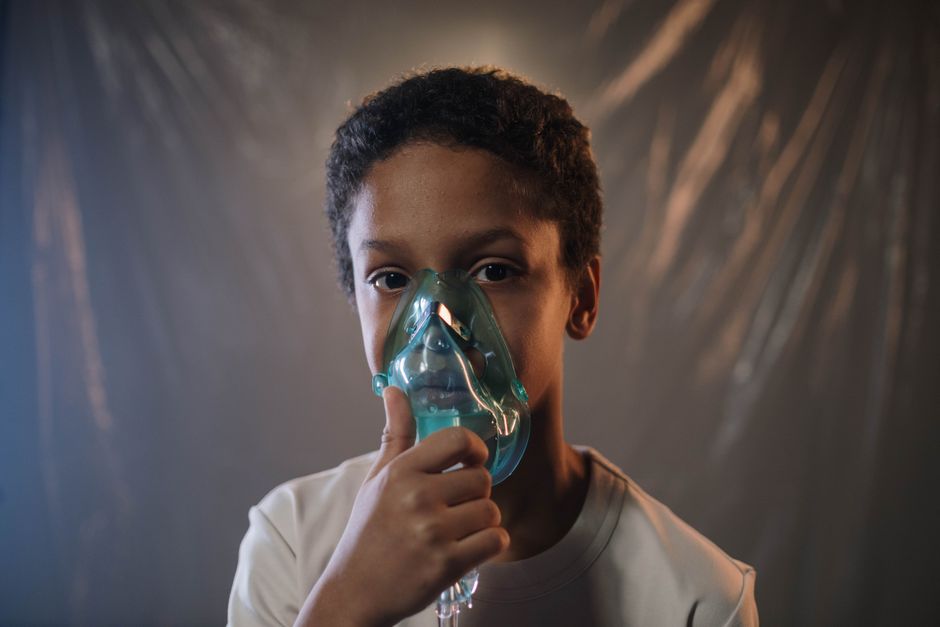
The respiratory system is the network of organs and tissues that helps you breathe. Its main job is to bring oxygen into your body and remove carbon dioxide, a waste product your cells make. This system includes your nose, throat, windpipe, and lungs, and it works every second of every day without you thinking about it.
What Are the Main Parts of the Respiratory System?
The respiratory system is divided into two main areas: the upper tract and the lower tract. The upper tract includes your nose, nasal cavity, mouth, throat (pharynx), and voice box (larynx). The lower tract starts at the windpipe (trachea) and includes the airways that branch into the lungs.
Inside your chest, the trachea splits into two tubes called bronchi. One goes to each lung. These tubes branch into smaller passages called bronchioles, which end in tiny air sacs known as alveoli. The alveoli are where the real work happens — oxygen moves into your blood and carbon dioxide moves out.
Your lungs are protected by the rib cage. A large muscle called the diaphragm sits below the lungs and does most of the work when you inhale and exhale. The muscles between your ribs also help with breathing, especially when you need to take deeper breaths.
How Does Breathing Actually Work?
Breathing is a mechanical process. When you inhale, your diaphragm flattens and moves downward. Your rib muscles pull your ribs outward. This makes your chest cavity larger, which lowers the pressure inside. Air rushes in to fill that space.
When you exhale, the diaphragm relaxes and moves upward. The chest cavity gets smaller, pressure rises, and air is pushed out. Normal breathing at rest is mostly automatic. The brain stem controls it, adjusting your breathing rate based on carbon dioxide levels in your blood.
One common misunderstanding is that you “pull” air into your lungs. You do not. Your lungs have no muscles of their own. They expand because the chest cavity expands, and air follows the pressure difference.
What Happens Inside the Alveoli?
Alveoli are tiny, balloon-like sacs. An adult has roughly 480 million of them across both lungs. If you flattened them all out, they would cover an area about the size of a tennis court.
Each alveolus is wrapped in a dense network of tiny blood vessels called capillaries. The wall between the air in the alveolus and the blood in the capillary is extremely thin — only about one cell thick. Oxygen passes across this barrier into the blood, where it binds to hemoglobin in red blood cells. Carbon dioxide moves the opposite direction, from the blood into the air sac, so you can breathe it out.
This exchange happens fast. Blood that passes through the lungs gets oxygenated in less than one second. The efficiency of this system is why you can go from rest to running up stairs without needing to stop and think about your breathing.




What Does the Respiratory System Do Besides Breathing?
Gas exchange is the main job, but it is not the only job. The respiratory system also filters, warms, and humidifies the air you breathe. Your nose is lined with tiny hairs and mucus that trap dust, pollen, and other particles before they reach your lungs.
Your airways are lined with cells that have microscopic hair-like projections called cilia. These cilia beat in a coordinated wave, sweeping mucus and trapped particles upward toward your throat. From there, you either swallow it or cough it out. This is a critical defense mechanism — it keeps your lungs clear of debris and many infections.
The respiratory system also plays a role in your sense of smell and in producing speech. Air passing over your vocal cords makes them vibrate, which is how you produce sound. The system also helps regulate the pH of your blood by controlling how much carbon dioxide you exhale.
What Are the Most Common Respiratory Conditions?
Respiratory conditions range from mild and temporary to chronic and serious. The common cold is a viral infection of the upper respiratory tract. Influenza, or the flu, also affects the respiratory system and can cause more severe illness, especially in older adults.
Asthma is a chronic condition where the airways become inflamed and narrow in response to triggers like allergens, cold air, or exercise. During an asthma attack, the muscles around the airways tighten, and mucus production increases, making it hard to breathe. Asthma affects about 25 million people in the United States.
Chronic obstructive pulmonary disease, or COPD, is a progressive lung disease that makes it increasingly hard to breathe. It is most often caused by long-term smoking. COPD includes two main conditions: emphysema, where the alveoli are damaged, and chronic bronchitis, where the airways are persistently inflamed.
Pneumonia is an infection of the alveoli. It can be caused by bacteria, viruses, or fungi. The air sacs fill with fluid or pus, which makes oxygen exchange less efficient. Pneumonia can be mild or life-threatening, depending on your age and overall health.
Lung cancer is another serious respiratory condition. Smoking is the leading risk factor, but nonsmokers can develop it too. Symptoms often do not appear until the disease is advanced, which is why it is frequently diagnosed late.
How Can You Keep Your Respiratory System Healthy?
The most important step is not smoking. Smoking damages the cilia, inflames the airways, and destroys alveoli over time. The damage is cumulative, meaning it builds up over years. Quitting at any age improves lung function and reduces the risk of respiratory disease.
Exercise strengthens your respiratory muscles and improves the efficiency of oxygen use. Regular physical activity does not necessarily change your lung capacity, but it trains your heart and muscles to use oxygen more effectively, which makes breathing feel easier during exertion.
Good indoor air quality matters. Avoid exposure to secondhand smoke, radon, and other pollutants. Use ventilation when cooking or using cleaning products. If you work in an environment with dust, fumes, or chemicals, use appropriate protective equipment.
Staying hydrated keeps the mucus in your airways thin and easier to clear. Getting vaccinated against influenza and pneumococcal pneumonia reduces your risk of serious respiratory infections, especially if you are over 65 or have a chronic condition.
Deep breathing exercises do not increase lung capacity in healthy people, but they can help with relaxation and may improve how comfortably you breathe. If you have a respiratory condition, work with your healthcare provider before starting any breathing program.
When Should You See a Doctor About Breathing Problems?
Not every cough or wheeze needs medical attention. But some symptoms should not be ignored. Seek medical care if you have shortness of breath that comes on suddenly, lasts more than a few days, or happens with minimal exertion. Chest pain with breathing difficulty is a reason to get help right away.
Coughing up blood, even a small amount, should always be evaluated. Persistent cough lasting more than three weeks, unexplained weight loss with a cough, or wheezing that does not go away are also reasons to see a doctor.
For people with asthma or COPD, having a written action plan from your doctor can help you know when symptoms are getting worse and when to seek emergency care. Using a peak flow meter at home can help track how well your lungs are working.
What Do You Know About The Respiratory System and Aging?
Your respiratory system changes as you age, even if you are healthy. Lung tissue loses some elasticity, and the rib cage becomes stiffer. This makes it slightly harder to expand the lungs fully. Maximum breathing capacity peaks in your 20s and slowly declines after that.
The immune response in the lungs also weakens with age. This increases the risk of respiratory infections and makes them more serious when they occur. Older adults are more likely to develop complications from influenza and pneumonia, which is why vaccination is especially important after age 65.
Age-related changes do not necessarily cause symptoms. Many older adults breathe normally and live active lives. The changes only become noticeable when the system is stressed, such as during illness or heavy exertion. Staying physically active throughout life helps maintain respiratory function longer.
Frequently Asked Questions
What is the main function of the respiratory system?
The main function is gas exchange — bringing oxygen into the blood and removing carbon dioxide from the body. It also filters, warms, and humidifies the air you breathe.
How many breaths does the average person take per day?
A healthy adult at rest takes about 12 to 20 breaths per minute, which works out to roughly 17,000 to 29,000 breaths per day. The exact number varies with activity level, age, and health status.
Can you increase your lung capacity?
Lung capacity is largely determined by genetics and body size, and it cannot be significantly increased through training. Exercise improves how efficiently your body uses oxygen, but it does not enlarge your lungs.
What is the fastest way to clear mucus from your lungs?
Drinking plenty of fluids thins mucus and makes it easier to clear. Using steam from a hot shower and staying physically active can also help move mucus out of your airways.
