

After a car crash, a fall, or any sudden impact, your body often pays for it over the next day or two. Sore muscles are the physical echo of the force your body absorbed. The immediate answer for treating that soreness is to start with rest and ice in the first 48 hours, then switch to gentle movement and heat once the acute phase passes. Over-the-counter pain relievers and light stretching can help, but the most important step is knowing when soreness is normal and when it signals a deeper injury that needs medical attention.
Why Do Muscles Get Sore After an Accident?
Muscle soreness after an accident is not the same as the soreness you feel after a hard workout. That post-exercise soreness comes from microscopic tears in muscle fibers during exertion. Accident-related soreness is different. It comes from sudden, forceful stretching or contraction of muscles that were not ready for that motion.
When your body is thrown forward, backward, or sideways, your muscles fire rapidly to protect your spine and organs. This is a reflex. Those muscles contract with more force than they normally would. The result is tiny tears in the muscle tissue and surrounding connective tissue. Fluid then accumulates in the area, causing swelling and stiffness that peaks about 24 to 72 hours after the event.
This is why you might feel fine immediately after an accident and terrible the next morning. The inflammatory response takes time to build. Understanding this timeline helps you treat the soreness correctly at each stage.
What Should You Do in the First 48 Hours?
The first two days after an accident are the acute phase. During this window, the goal is to limit inflammation and prevent further tissue damage.
Rest is the foundation. This does not mean bed rest. It means avoiding heavy lifting, vigorous exercise, and any activity that increases pain. Gentle movement like slow walking is fine if it does not hurt. But do not push through pain in the first 48 hours.
Ice is your primary tool. Apply a cold pack to the sore areas for 15 to 20 minutes at a time. You can repeat this every few hours. Ice constricts blood vessels, which limits the fluid buildup that drives swelling and pain. Always wrap the ice pack in a thin towel. Never apply ice directly to skin, as this can cause frostbite.
Compression can help. An elastic bandage or compression sleeve on a sore limb can limit swelling. It should feel snug but never tight enough to cut off circulation. If your fingers or toes tingle or turn blue, the wrap is too tight.
Elevation matters for limbs. If your arms or legs are sore, prop them up above heart level when resting. This helps fluid drain away from the injured area.
What Should You Do After the First 48 Hours?
Once the acute phase passes, the focus shifts from limiting inflammation to restoring normal movement. This is the sub-acute phase.
Heat becomes more useful than ice. A warm shower, heating pad, or warm compress can relax tight muscles and increase blood flow to the area. The increased circulation brings oxygen and nutrients that support tissue repair. Use heat for 15 to 20 minutes at a time. Do not use heat while the area is still actively swollen or hot to the touch.
Gentle movement replaces rest. Stiffness worsens when you stay still. Light stretching and range-of-motion exercises help realign muscle fibers and prevent scar tissue from forming in a restrictive pattern. Move slowly and only to the point of mild tension. Never stretch into sharp pain.
Neck and shoulder soreness is extremely common after rear-end collisions. Slow, controlled neck rotations — looking left and right, up and down — can help. Shoulder rolls and gentle arm swings also keep the upper body mobile without loading the injured muscles.




Which Pain Relievers Actually Help?
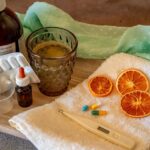
Over-the-counter nonsteroidal anti-inflammatory drugs (NSAIDs) are the standard choice for accident-related muscle soreness. Ibuprofen and naproxen reduce both pain and inflammation. Acetaminophen reduces pain but does not address inflammation.
Follow the dosing instructions on the label. Do not take more than the recommended amount, and do not combine multiple NSAIDs. People with kidney disease, stomach ulcers, or a history of gastrointestinal bleeding should talk to a pharmacist or doctor before taking NSAIDs.
Topical creams and gels can also help. Products containing menthol, camphor, or capsaicin create sensations that distract from deeper pain signals. Some topical NSAID gels are available over the counter and deliver anti-inflammatory medication directly to the sore area with less stomach risk than oral pills.
When Should You See a Doctor?
Muscle soreness is expected after an accident, but certain symptoms are not normal. You should seek medical attention if you experience any of the following:
- Pain that is severe or getting worse instead of better
- Numbness, tingling, or weakness in your arms or legs
- Loss of bladder or bowel control
- Difficulty breathing or chest pain
- Headache that worsens, dizziness, or confusion
- Pain that radiates down your arms or legs
These symptoms can indicate nerve damage, spinal injury, or internal injury that requires immediate evaluation. Do not wait to see if they improve.
You should also see a doctor if soreness does not improve within a week. Persistent pain can indicate a muscle strain, ligament sprain, or soft tissue injury that needs professional assessment. A healthcare provider can perform an examination and determine whether imaging like an X-ray or MRI is necessary.
If you were in a motor vehicle accident, see a doctor even if you feel fine. Adrenaline can mask pain for hours after a crash. Some injuries, particularly to the neck and back, do not become apparent until the next day.
Can You Prevent Accident-Related Soreness?
You cannot fully prevent muscle soreness after a traumatic event. The muscle contractions that cause it are reflexive. Your body does them to protect you.
You can, however, reduce the severity. People with stronger, more flexible muscles tend to experience less severe soreness after trauma. Regular strength training and stretching build resilience in muscle tissue. This does not mean being fit makes you immune to injury. It means your muscles are better conditioned to absorb and recover from sudden force.
In a vehicle, proper posture matters. Sit with your back against the seat, your headrest adjusted to the center of your head, and your seatbelt positioned across your chest and lap. This positioning reduces the strain your neck and back muscles experience during impact.
What About Physical Therapy?
For mild soreness that resolves within a week, formal physical therapy is usually unnecessary. Your body can recover on its own with rest, ice, heat, and gentle movement.
For more significant injuries, physical therapy can be highly effective. A physical therapist can assess your specific injury pattern and design a rehabilitation program. This often includes targeted strengthening exercises, manual therapy, and posture correction.
The evidence supports early mobilization after soft tissue injuries. Prolonged rest actually slows recovery. A physical therapist helps you find the balance between resting injured tissue and keeping surrounding muscles active. Some clinicians recommend physical therapy when pain limits daily activities for more than a few days. This is a common clinical practice, though the evidence for early versus delayed therapy is mixed.
How Long Will the Soreness Last?
Most accident-related muscle soreness follows a predictable course. Pain peaks within the first 72 hours and then gradually improves. Most people feel significant relief within one week. Full recovery, where the area feels completely normal, typically takes two to four weeks.
Several factors affect this timeline. Older adults often recover more slowly than younger adults. The severity of the impact matters. A minor fender bender produces less soreness than a high-speed collision. Pre-existing conditions like arthritis or prior injuries can prolong recovery.
If soreness lasts beyond four weeks, it is no longer simple muscle soreness. It may be a chronic pain condition or an untreated soft tissue injury. At that point, a medical evaluation is appropriate.
What Makes Accident Soreness Different From Other Muscle Pain?
Accident-related soreness often involves a broader area than typical muscle strain. A fall can bruise and strain muscles across your entire back, hips, and arms simultaneously. The mechanism of injury — sudden, forceful, uncontrolled — tends to cause more tissue damage than gradual overuse.
There is also an emotional component. Accidents are stressful. Stress increases muscle tension, particularly in the neck, shoulders, and jaw. After an accident, you may unconsciously hold those muscles tight for days. This tension compounds the physical injury and can make soreness feel worse than the tissue damage alone would explain.
Being aware of this can help. Consciously relaxing your shoulders, taking slow deep breaths, and avoiding prolonged periods of staring at a screen with poor posture can reduce the added tension component.
Frequently Asked Questions
Should I use ice or heat for accident-related muscle soreness?
Use ice during the first 48 hours to limit swelling and inflammation. After 48 hours, switch to heat to relax tight muscles and promote blood flow.
How long does muscle soreness last after a car accident?
Most people feel significant relief within one week and full recovery within two to four weeks. If soreness lasts beyond four weeks, see a doctor.
Can I stretch sore muscles right after an accident?
Avoid stretching in the first 48 hours. After that, gentle stretching to the point of mild tension can help restore movement, but never stretch into sharp pain.
Is it safe to take pain relievers for accident soreness?
Over-the-counter NSAIDs like ibuprofen are generally safe when taken as directed. People with kidney disease, stomach ulcers, or bleeding disorders should consult a healthcare provider first.
