
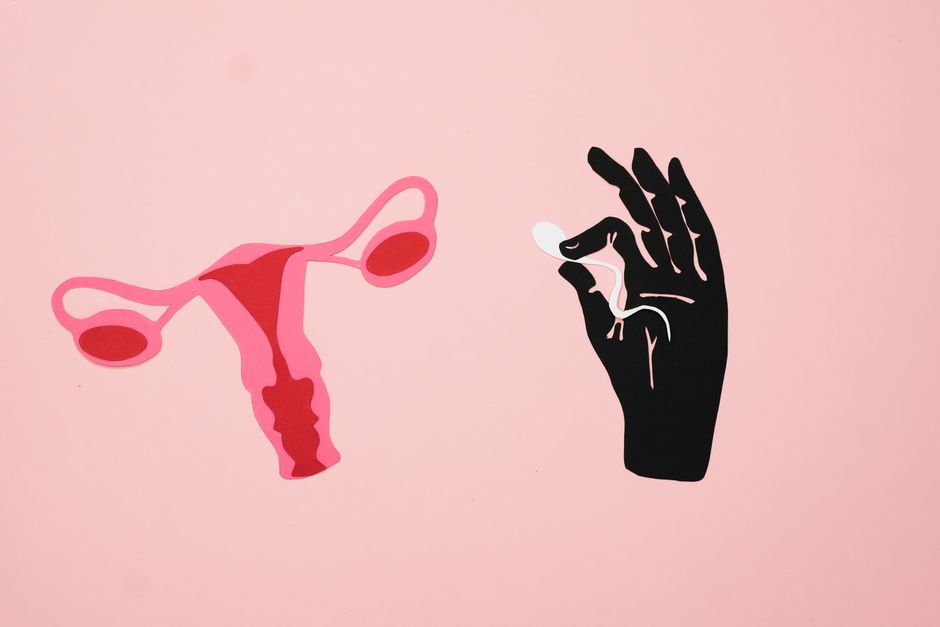
The reproductive system is the collection of organs and hormones that allows humans to create new life. In people assigned female at birth, it includes the ovaries, fallopian tubes, uterus, cervix, and vagina. In people assigned male at birth, it includes the testes, penis, and supporting glands. Beyond making pregnancy possible, these organs produce the sex hormones that drive puberty, sexual function, and long-term health.
What Does The Reproductive System Actually Do?
The main job is reproduction. But the system does far more than that. It produces hormones, regulates sexual development, and maintains the physical structures needed for intercourse and conception.
In females, the ovaries release eggs and produce estrogen and progesterone. These hormones control the menstrual cycle, prepare the uterus for pregnancy, and influence bone density and heart health. In males, the testes produce sperm and testosterone. Testosterone drives muscle mass, sex drive, and sperm production.
The system also works closely with the endocrine system. The brain’s pituitary gland sends signals that tell the ovaries and testes when to release hormones. This communication loop is delicate. Small disruptions can affect fertility, mood, or overall health.
How the Female Reproductive System Works
The female reproductive tract is a connected pathway. Each part has a specific role.
Ovaries store and release eggs. At birth, a female has about one to two million immature eggs. By puberty, that number drops to roughly 300,000 to 400,000. Over a lifetime, only about 300 to 400 eggs are actually released through ovulation.
Fallopian tubes carry the egg from the ovary to the uterus. Fertilization happens here. If sperm meets the egg in the tube, the fertilized egg continues toward the uterus.
The uterus is a muscular organ about the size and shape of a pear. Its lining, the endometrium, thickens each month in preparation for a fertilized egg. If no pregnancy occurs, the lining sheds. That shedding is a menstrual period.
The cervix is the lower opening of the uterus. It produces mucus that changes consistency throughout the cycle. Around ovulation, the mucus becomes thinner and more slippery, helping sperm travel upward.
The vagina is the birth canal and the entry point for sperm. It is a muscular tube that also allows menstrual blood to leave the body.
How the Male Reproductive System Works
The male system is designed to produce, store, and deliver sperm.
The testes hang outside the body in the scrotum. This position keeps them slightly cooler than core body temperature, which is necessary for healthy sperm production. The testes make sperm continuously from puberty onward. A healthy adult male produces millions of sperm each day.
Sperm mature in a coiled tube behind each testis called the epididymis. From there, they travel through the vas deferens during ejaculation. Seminal vesicles and the prostate gland add fluid that nourishes and protects the sperm. This mixture is semen.
The penis delivers semen into the vagina during intercourse. Erection occurs when blood fills spongy tissue inside the penis. Ejaculation releases semen through the urethra, the same tube that carries urine.





Hormones: The Messengers That Run the System
Hormones control every step of reproduction. Without them, the organs cannot function.
In females, the cycle is driven by a precise sequence. Follicle-stimulating hormone (FSH) from the brain causes an egg to mature. Luteinizing hormone (LH) triggers its release. After ovulation, the empty follicle becomes the corpus luteum, which produces progesterone. Progesterone keeps the uterine lining stable for about two weeks. If no pregnancy happens, progesterone drops, and the lining sheds.
In males, the same two brain hormones work differently. FSH tells the testes to produce sperm. LH tells them to produce testosterone. Testosterone levels stay fairly steady in adult men, unlike the cyclical pattern in women.
Hormones also affect systems beyond reproduction. Estrogen helps maintain bone density. Testosterone supports red blood cell production. This is why hormone changes during menopause or andropause can have wide-ranging effects.
Common Conditions That Affect the Reproductive System
Many people will experience a reproductive health condition at some point. Some are minor. Others require medical care.
Endometriosis occurs when uterine-like tissue grows outside the uterus. It can cause severe pelvic pain and fertility problems. It affects roughly one in ten women of reproductive age.
Polycystic ovary syndrome (PCOS) is a hormonal disorder where the ovaries produce excess androgens. Symptoms include irregular periods, acne, and weight gain. PCOS is a leading cause of infertility.
Uterine fibroids are non-cancerous growths in the uterine wall. Many women have them without symptoms. Others experience heavy bleeding or pelvic pressure.
Prostate issues become more common in men after age 50. Benign prostatic hyperplasia (BPH) is an enlarged prostate that can cause urinary problems. Prostate cancer is also a concern, though many cases grow slowly.
Sexually transmitted infections can affect any part of the reproductive tract. Chlamydia and gonorrhea often cause no symptoms but can lead to pelvic inflammatory disease and infertility if untreated.
How Aging Changes the Reproductive System
Reproductive function changes naturally with age. These changes are not diseases.
In women, fertility peaks in the twenties and gradually declines. The decline accelerates after age 35. Menopause typically occurs between ages 45 and 55. It is defined as twelve consecutive months without a period. After menopause, the ovaries stop releasing eggs and produce very little estrogen.
Men do not experience a sudden shutdown. Sperm production continues into old age, though quality and quantity decline. Testosterone levels drop slowly, roughly one percent per year after age 30. Some men experience significant symptoms like fatigue or low libido. This is sometimes called andropause, though it is not a universal or sudden event.
Age also affects fertility treatment outcomes. Success rates for in vitro fertilization (IVF) decline with maternal age. This is largely due to egg quality rather than uterine function.
How to Keep the Reproductive System Healthy
Reproductive health is tied to overall health. The same habits that protect the heart and brain also protect reproductive organs.
Regular check-ups matter. Pap smears screen for cervical cancer. Pelvic exams can detect fibroids or ovarian changes. Men should discuss prostate screening with their doctor starting around age 50, or earlier if they have a family history.
Vaccination prevents cancer. The HPV vaccine protects against the strains of human papillomavirus that cause most cervical and anal cancers. It is recommended for both boys and girls starting at age 11 or 12.
Safe sex practices reduce the risk of sexually transmitted infections. Condoms are effective when used consistently and correctly. Regular STI testing is important for anyone with new or multiple partners.
Lifestyle factors matter. Smoking damages eggs and sperm. Heavy alcohol use lowers testosterone. Obesity disrupts hormone balance in both sexes. Moderate exercise and a balanced diet support healthy hormone production.
Chronic stress can suppress reproductive hormones. The brain perceives stress as a threat and may reduce signals to the ovaries or testes. This is why some women miss periods during intense stress.
When to See a Doctor
Some symptoms warrant medical attention. Do not dismiss persistent changes.
See a doctor for periods that are extremely heavy, last longer than a week, or stop suddenly. Pelvic pain that interferes with daily life is not normal. Pain during intercourse should be evaluated.
Men should seek care for testicular lumps, pain, or changes in urinary habits. Difficulty urinating, weak stream, or blood in the urine requires evaluation.
For couples trying to conceive, infertility is defined as one year of unprotected intercourse without pregnancy for women under 35. For women over 35, the threshold is six months. Earlier evaluation is appropriate for women with irregular periods or known reproductive conditions.
Frequently Asked Questions
What organs are part of the reproductive system?
In females, the ovaries, fallopian tubes, uterus, cervix, and vagina. In males, the testes, epididymis, vas deferens, seminal vesicles, prostate, and penis.
How often does the female reproductive system release an egg?
About once per menstrual cycle, typically every 24 to 35 days. Each ovary usually takes turns releasing an egg, though one ovary may ovulate more frequently.
Can the reproductive system function without hormones?
No. Hormones from the brain and the reproductive organs themselves control egg release, sperm production, and the menstrual cycle. Without them, the system cannot operate.
What is the most common reproductive health issue in women?
Uterine fibroids are very common, affecting up to 70 percent of women by age 50. Most cause no symptoms and require no treatment.
