
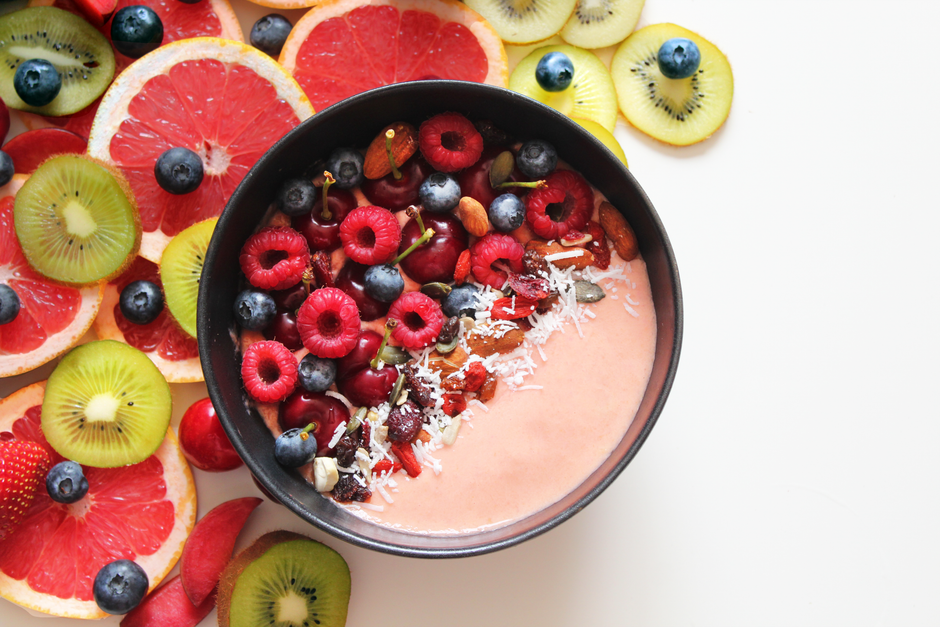
Nutrient timing is the practice of eating specific nutrients at specific times around your workouts. For most people, total daily nutrition matters far more than exactly when you eat. But the real answer depends on your goals — elite athletes may get a small benefit from precise timing, while casual exercisers likely do not need to worry about it.
What Is Nutrient Timing Exactly?
Nutrient timing means planning when you eat carbohydrates, protein, and fat in relation to exercise. The idea is to fuel your body before a workout, support performance during exercise, and speed recovery afterward. It became popular in bodybuilding circles and later spread to general fitness culture.
The typical timing windows include pre-workout (one to four hours before), intra-workout (during exercise), and post-workout (within two hours). Some advocates also talk about the “anabolic window” after training when your muscles are supposedly most receptive to nutrients.
But not all of these claims have strong science behind them. Research on nutrient timing has evolved, and the evidence now shows that for many people, the effects are smaller than once thought.
Does Pre-Workout Nutrition Improve Performance?
Eating before exercise can help if you train hard for more than 60 minutes. Carbohydrates provide energy for your muscles and brain. Protein before a workout may help reduce muscle damage, but the effect is modest for most people.
Some studies suggest that a small meal or snack with carbs and protein one to three hours before exercise can improve endurance and strength. However, if you are doing a short moderate workout — 30 to 45 minutes — your body likely has enough stored glycogen. You probably do not need a pre-workout meal.
What you eat matters more than exactly when. A balanced meal a few hours before training works well for most people. There is no magic timing that applies to everyone.
What About Post-Workout Nutrition?
The post-workout period was once considered a critical window where your body could use nutrients more effectively. The idea was that consuming protein and carbs within 30 to 60 minutes after exercise would maximize muscle repair and growth. This is called the “anabolic window.”
Research now shows that the window is wider than originally thought. For most people, eating a meal with protein and carbs within two to three hours after a workout is sufficient. The total amount of protein you eat throughout the day matters more than whether you eat it immediately after training.
For elite athletes who train twice a day or have very high training volumes, timing may be more important. But for the average person going to the gym three to four times per week, the evidence does not support stressing over an exact post-workout window.



Does Nutrient Timing Matter for Weight Loss?
For weight loss, the most important factor is total calorie intake over the day. Nutrient timing has little to no effect on fat loss when calories are controlled. Some research suggests that eating more calories earlier in the day may help with appetite control, but the evidence is mixed.
The idea that eating after a certain hour causes weight gain is not supported by strong evidence. Weight gain happens when you eat more calories than you burn, regardless of the time. However, late-night eating may lead to poor food choices or overeating for some people.
If you focus on overall diet quality, portion sizes, and regular meals, timing alone will not determine your weight loss success.
What Is Nutrient Timing And Does It Really Matter?
Nutrient timing is the practice of aligning your food intake with exercise. For the vast majority of people — including those who exercise regularly for general health — timing does not matter very much. Total daily protein, carbohydrate, and calorie intake are far more important.
There are specific scenarios where timing may help. Elite athletes training twice a day, people doing long endurance events, or those trying to maximize muscle gain in a short period might see small benefits. Bodybuilders in contest prep may also find timing useful for managing hunger and energy levels.
For someone who exercises for 30 to 60 minutes most days, the evidence does not show a meaningful advantage from strict timing. The extra effort is better spent on getting enough protein, eating vegetables, and staying hydrated.
What About Intermittent Fasting and Nutrient Timing?
Intermittent fasting involves eating all your meals within a set window, typically 8 to 10 hours. This approach contradicts the traditional idea of eating small meals frequently throughout the day. Some research suggests that intermittent fasting can be effective for weight loss and may improve insulin sensitivity.
But the evidence does not show that intermittent fasting is superior to regular meal patterns for muscle growth or performance. If you train while fasting, your body may use more fat for fuel, but performance in high-intensity exercise may suffer. Post-workout nutrition becomes more important if you eat only one or two meals per day.
The key takeaway is that the best approach is the one you can stick with consistently. For some people, intermittent fasting works well. For others, eating smaller meals throughout the day feels better. Either way, total nutrient intake matters more than the timing of your eating window.
Practical Takeaways: Who Should Pay Attention to Timing?
- Casual exercisers (30–45 minutes, moderate intensity): Do not need to worry about timing. Focus on eating enough protein and carbs over the day.
- Regular gym-goers (45–60 minutes, moderate to high intensity): A pre-workout snack may help energy, but you can eat your post-workout meal within 2–3 hours.
- Endurance athletes (running, cycling, swimming >90 minutes): Timing matters more. Carb loading before and during exercise can improve performance.
- Bodybuilders or strength athletes: Total daily protein intake is key. Spreading protein across 3–4 meals is likely sufficient. The post-workout window is not as urgent as once believed.
If you are unsure, try eating a balanced meal 2–3 hours before training and another balanced meal 1–2 hours after. This approach covers your needs without creating unnecessary stress.
Frequently Asked Questions
Do I need to eat protein immediately after a workout?
No. Eating protein within 2–3 hours after your workout is enough for muscle repair. The idea of a 30-minute anabolic window is exaggerated for most people.
Can I lose weight without worrying about nutrient timing?
Yes. Total calorie intake and food quality matter far more than when you eat. Many people lose weight successfully without timing their meals around exercise.
Is it bad to eat carbs at night?
No. Eating carbs at night does not automatically cause weight gain. What matters is your total calorie intake for the day, not the time you eat.
Does intermittent fasting hurt muscle growth?
Not necessarily, as long as you eat enough total protein and calories. Some research shows muscle growth is similar with intermittent fasting compared to regular meal patterns, but individual responses vary.
