
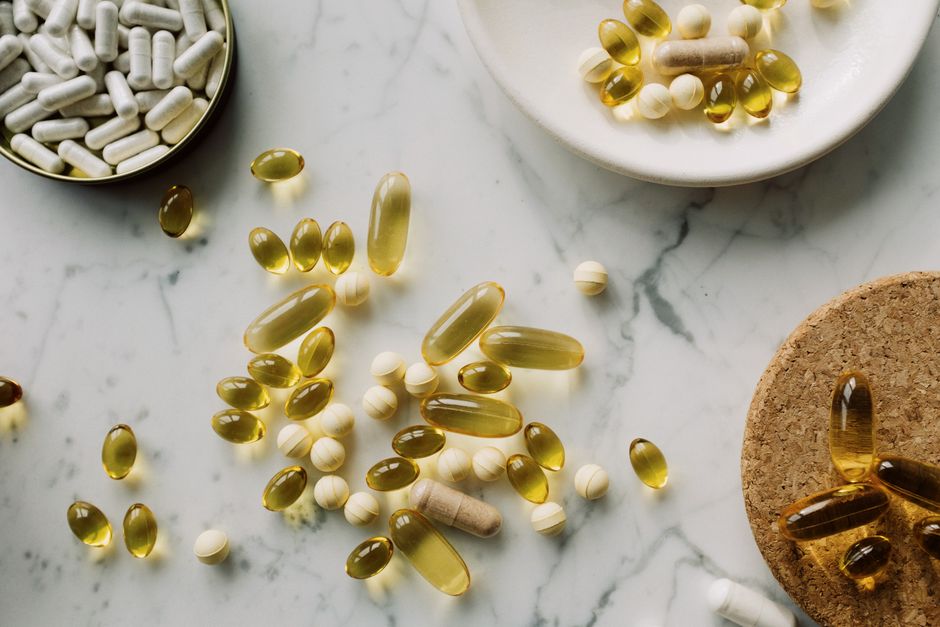
To make yeast nutrient at home for wine and mead, boil inactive baker’s yeast or use diammonium phosphate (DAP) if you have it. The most straightforward homemade version is boiled baker’s yeast, which provides amino acids and other micronutrients. Boil a small amount of dry baker’s yeast in water for 10 minutes, let it cool, and add it to your must. This supplies essential nitrogen and vitamins that yeast need for healthy fermentation.
What is yeast nutrient and why do you need it?
Yeast nutrient is a blend of nitrogen, amino acids, vitamins, and minerals. Wine must and mead (honey water) often lack these nutrients, especially nitrogen. Without enough nutrients, yeast can struggle to ferment completely. This leads to off-flavors, stuck fermentation, or excess sulfur compounds that smell like rotten eggs.
Commercial yeast nutrient typically contains diammonium phosphate (DAP) for nitrogen and yeast hulls for sterols and fatty acids. Honey and fruit juices are low in these elements. For mead in particular, adding nutrients is common practice among experienced brewers. The goal is to keep yeast healthy so they finish the fermentation cleanly.
How to make yeast nutrient at home for wine and mead?
The simplest homemade yeast nutrient uses ordinary baker’s yeast. Start with a cup of water and about one tablespoon of dry baker’s yeast (active or inactive). Boil for 10 minutes. This kills the yeast cells and breaks them open, releasing amino acids, vitamins, and other nutrients. Let the mixture cool to room temperature. Add it to your must or juice at a rate of about 1 to 2 teaspoons of boiled yeast paste per gallon.
Another option is diammonium phosphate (DAP), which is a pure nitrogen source. You can buy DAP from homebrew stores or online. To make a home version, dissolve the DAP powder in a small amount of warm water before adding. However, DAP alone does not provide the full range of nutrients like amino acids or vitamins. Many winemakers combine DAP with boiled yeast for a more complete nutrient.
Some people use nutritional yeast flakes instead of baker’s yeast. Nutritional yeast is also inactive but may contain added B vitamins. Boil it as well to break the cell walls. The same 10-minute boil applies.
Important: Do not use live brewer’s or baker’s yeast as a nutrient. Live yeast cells compete with your wine or mead yeast and can produce unpredictable flavors. Only use dead, boiled yeast.
What are the key ingredients for homemade yeast nutrient?
- Baker’s yeast (inactive, dry). This is the base. It provides a wide range of amino acids, nitrogen, and B vitamins. Use cheap dry yeast, not fresh cake yeast.
- Diammonium phosphate (DAP). A pure nitrogen source. Home stores sell it in powder form. Not all home brewers use it because it can lead to high fermentation temperatures and harsh flavors if overused.
- Water. Used to boil the yeast. Tap water is fine; chlorine may evaporate during boiling.
- Optional: yeast hulls or yeast ghosts. These are the cell walls left after the yeast contents are extracted. They provide sterols and fatty acids. Boiling yeast naturally produces some hulls, but you can also buy pre-made yeast hulls. Homemade boiled yeast includes both the inner contents and the hulls.
Some recipes add a pinch of Epsom salt (magnesium sulfate) for magnesium, but this is not essential. Magnesium supports yeast metabolism, but most musts contain enough magnesium from fruit or honey.


How do you use homemade yeast nutrient?
Add the nutrient during the first few days of fermentation. Yeast need nitrogen most in the exponential growth phase, which occurs within the first 24 to 72 hours. For a 5-gallon batch of wine or mead, a common practice is to add 1 teaspoon of boiled yeast paste at pitch, then another 1 teaspoon on day 2 and day 3.
If using DAP, follow the manufacturer’s dosage. A general guideline is 1 gram per gallon (roughly ¼ teaspoon per gallon). Do not exceed this. Too much nitrogen can stress yeast and cause off-flavors. Always dissolve DAP in a little water before adding.
Stir the must gently after adding nutrient to distribute it. Avoid splashing to prevent oxidation.
Are there alternatives to homemade yeast nutrient?
Some homebrewers use raisins or other dried fruit. Raisins provide some nitrogen and vitamins, but the amount is small. Research suggests raisins do not supply enough nutrients for a healthy fermentation in mead or high-gravity wines. They add flavor and some tannins, but they are not a reliable substitute for yeast nutrient.
Boiled bread yeast is the most common alternative to commercial nutrients. It works well because brewer’s yeast and baker’s yeast have similar nutritional profiles. Some people use cold-pressed grape seed extract for minerals, but evidence is limited.
Boiling any form of inactive dry yeast gives you a functional, low-cost nutrient. If you do not have access to homebrew stores, this method is your best option.
Safety and storage of homemade yeast nutrient
Homemade boiled yeast nutrient is perishable. Store it in a sealed container in the refrigerator and use within one week. If you want to keep it longer, freeze it in small portions. Frozen boiled yeast paste lasts several months.
DAP is a chemical fertilizer. Keep it away from children and pets. Wear gloves and a dust mask if you handle large amounts, though small quantities used in home brewing are generally safe. Rinse any skin contact with water.
Never mix homemade nutrient with chlorine-based sanitizers. Residual sanitizer can react with ammonium compounds and form harmful chloramines. Rinse equipment thoroughly after sanitizing.
Frequently Asked Questions
Can I use nutritional yeast to make yeast nutrient?
Yes. Nutritional yeast is already inactive and can be boiled to release nutrients. It works similarly to baker’s yeast.
How much homemade yeast nutrient do I add per gallon?
A common guideline is 1 teaspoon of boiled yeast paste per gallon of must, added in divided doses over the first three days.
Is DAP necessary for mead?
No, but DAP provides a quick source of nitrogen. Many mead makers use a combination of DAP and boiled yeast for best results.
Can I use yeast nutrient for bread making?
No. Yeast nutrient for wine and mead is designed for high-sugar, low-nutrient musts. Bread dough already contains flour that provides ample nutrients for bread yeast.
