

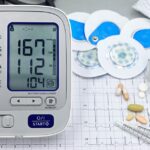
Blood pressure readings give you two numbers, and both matter. The top number, systolic pressure, measures the force when your heart beats. The bottom number, diastolic pressure, measures the force when your heart rests between beats. A low diastolic blood pressure means that bottom number is below normal, usually under 60 mm Hg. Many people focus on high blood pressure, but low diastolic pressure can also cause health problems, especially in older adults.
What Is A Low Diastolic Blood Pressure?
A normal diastolic blood pressure is between 60 and 80 mm Hg. When your diastolic pressure drops below 60 mm Hg, it is considered low. For most people, a reading of 60 to 80 is healthy. The concern starts when the number falls below 60.
Low diastolic pressure often happens alongside low systolic pressure. That condition is called hypotension, or low blood pressure overall. But some people have a normal systolic number with a low diastolic number. This pattern is more common in older adults and can be harder to manage.
What Causes Low Diastolic Blood Pressure?
Several conditions and medications can cause low diastolic pressure. Age is one of the biggest factors. As blood vessels stiffen with age, the diastolic number often drops even when the systolic number stays normal or rises.
Medications are another common cause. Blood pressure drugs, especially those that relax blood vessels, can lower both numbers. Diuretics remove fluid from the body, which can also reduce pressure. Some heart medications, like beta blockers, slow the heart rate and lower diastolic pressure.
Other causes include:
- Dehydration, which reduces blood volume
- Pregnancy, especially in the first two trimesters
- Heart conditions that affect how well the heart pumps
- Thyroid disorders, particularly underactive thyroid
- Nutritional deficiencies, such as low vitamin B12 or folate
- Blood loss from injury or internal bleeding
- Severe infection that affects blood pressure regulation
Some people simply have naturally low blood pressure. If you feel fine and have no symptoms, a low diastolic reading may not need treatment. The key question is whether you have symptoms.
Symptoms of Low Diastolic Blood Pressure
Low diastolic pressure becomes a problem when it causes symptoms. Common symptoms include dizziness, lightheadedness, and fainting. You might feel weak or tired. Some people notice blurry vision or trouble concentrating.
Symptoms often appear when you stand up quickly. This is called orthostatic hypotension. Blood pools in your legs when you stand, and your body cannot adjust quickly enough to keep blood flowing to your brain.
Severe cases can cause confusion, rapid shallow breathing, or cold clammy skin. These symptoms suggest your organs are not getting enough blood flow. If you experience these, seek medical attention promptly.


How Is Low Diastolic Blood Pressure Diagnosed?
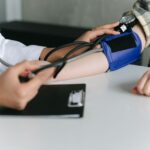
Diagnosis starts with a standard blood pressure reading. Your doctor will take multiple readings over time because blood pressure changes throughout the day. One low reading does not mean you have a chronic problem.
Your doctor may also check your blood pressure in different positions. They might measure it while you lie down, sit, and stand. This helps identify orthostatic hypotension.
Additional tests may include blood tests to check for anemia, thyroid function, or nutritional deficiencies. An electrocardiogram or echocardiogram can evaluate your heart. If you faint often, your doctor may recommend a tilt table test, which monitors your blood pressure and heart rate as the table changes position.
What Are the Risks of Low Diastolic Pressure?
Research consistently shows that very low diastolic pressure can reduce blood flow to the heart. The heart muscle needs oxygen-rich blood during its resting phase, which is exactly when diastolic pressure matters. If diastolic pressure drops too low, the heart may not get enough blood.
Studies have found that a diastolic pressure below 60 mm Hg is linked to a higher risk of heart problems in older adults. This is especially true for people who already have coronary artery disease. Some research suggests that treating systolic pressure too aggressively can push diastolic pressure down to unsafe levels.
The risk is not the same for everyone. A young healthy person with a diastolic pressure of 55 and no symptoms faces different risks than an older adult with heart disease and the same reading. Your overall health and other conditions matter more than the number alone.
How Is Low Diastolic Blood Pressure Treated?
Treatment depends on the cause and your symptoms. If a medication is causing low diastolic pressure, your doctor may adjust the dose or switch to a different drug. Never stop or change blood pressure medication on your own. That can cause dangerous spikes in pressure.
For dehydration, increasing fluid intake can help. Your doctor may recommend electrolyte solutions if you have been sick or sweating heavily. Some people benefit from adding more salt to their diet, but only do this under medical supervision. Extra salt can raise blood pressure too much or worsen other health conditions.
Compression stockings can help prevent blood from pooling in your legs. These stockings squeeze your legs and help push blood back toward your heart. They are especially useful for orthostatic hypotension.
If an underlying condition like thyroid disease or anemia is causing the problem, treating that condition may resolve the low diastolic pressure. Your doctor will address the root cause rather than just the number.
When to See a Doctor
See a doctor if you have symptoms like dizziness, fainting, or weakness. Also seek medical advice if your blood pressure readings consistently show a diastolic number below 60, even without symptoms. Your doctor can determine whether the reading matters for your specific health situation.
Seek emergency care if you experience chest pain, shortness of breath, confusion, or fainting that does not resolve quickly. These could be signs of a serious problem that needs immediate treatment.
People with heart disease, diabetes, or kidney disease should monitor their blood pressure regularly. These conditions affect how your body regulates blood pressure. Your doctor can help you understand what range is safe for you.
Can You Prevent Low Diastolic Blood Pressure?
You cannot always prevent low diastolic pressure, especially if it comes from aging or genetics. But some lifestyle habits can help maintain healthy blood pressure. Stay hydrated by drinking enough water throughout the day. Move slowly when changing positions, especially when getting up from lying down.
Eat a balanced diet with enough vitamins and minerals. Deficiencies in vitamin B12 and folate can contribute to low blood pressure. If you suspect a deficiency, ask your doctor for a blood test before taking supplements.
Limit alcohol, which can lower blood pressure. Discuss all medications with your doctor, including over-the-counter drugs and supplements. Some can affect your blood pressure in unexpected ways.
Frequently Asked Questions
Is diastolic blood pressure below 60 dangerous?
It depends on your symptoms and overall health. A diastolic reading below 60 can be dangerous if it causes dizziness, fainting, or reduces blood flow to the heart, especially in older adults with heart disease.
What does it mean when only diastolic blood pressure is low?
It often means blood vessels are stiff or blood volume is low while the heart still pumps strongly. This pattern is common in older adults and requires evaluation to determine if treatment is needed.
Can drinking more water raise low diastolic blood pressure?
Yes, if dehydration is the cause. Increasing fluid intake raises blood volume, which can help bring diastolic pressure back to normal, but it will not help if dehydration is not the underlying issue.
Should I stop taking blood pressure medication if my diastolic is low?
No, never stop blood pressure medication without your doctor’s guidance. Your doctor can adjust the dose or change the medication to balance both your systolic and diastolic numbers safely.
