
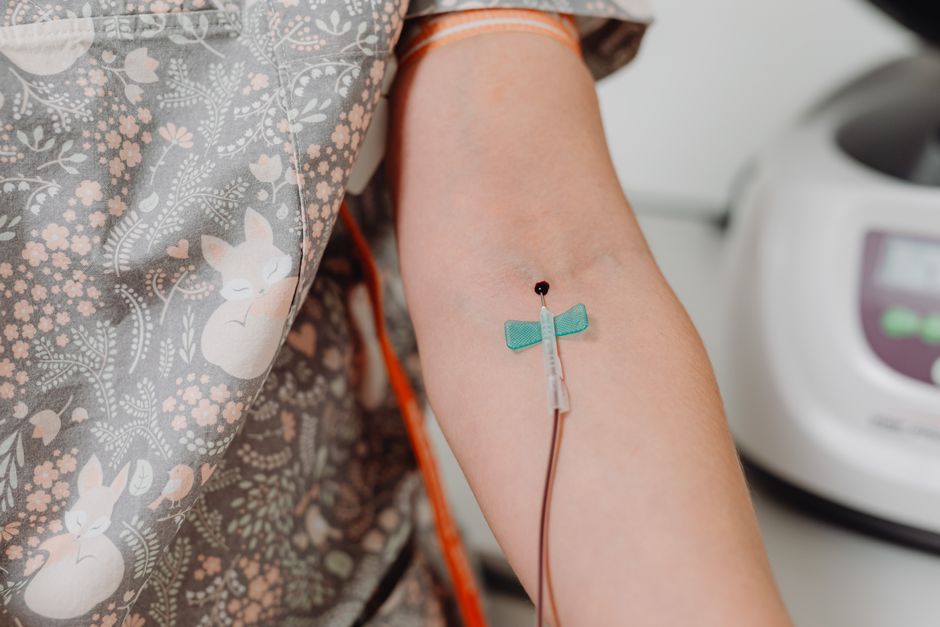
When a doctor suspects inflammation, they often order blood tests that look for specific proteins and cell changes. These are called inflammation markers. The most common ones are C-reactive protein (CRP), the erythrocyte sedimentation rate (ESR or sed rate), and a white blood cell count. These tests do not diagnose a specific disease. Instead, they tell your doctor that inflammation is present and how active it might be.
What Are The Inflammation Markers In Blood Tests?
Inflammation markers are substances in your blood that rise when your body is fighting an infection, healing an injury, or dealing with a chronic condition. They are measured through a standard blood draw. Think of them as a smoke alarm. The alarm tells you there is a fire, but it does not tell you where the fire is or what caused it.
The three most frequently ordered markers are CRP, ESR, and white blood cell count. Each one measures a different part of the inflammatory response. Doctors often order them together to get a fuller picture.
What Is C-Reactive Protein (CRP)?
CRP is a protein your liver makes in response to inflammation. It rises quickly when inflammation starts and falls quickly when it resolves. This makes it useful for tracking active inflammation over days or weeks.
There are two types of CRP tests. The standard CRP test measures significant inflammation from infection, injury, or autoimmune disease. The high-sensitivity CRP test (hs-CRP) measures very low levels of inflammation. Doctors use hs-CRP to assess heart disease risk, not to diagnose an active infection.
Normal CRP levels are generally below 3 mg/L, though the exact reference range varies slightly by lab. Levels above 10 mg/L usually indicate significant inflammation. However, a single high reading does not tell you the cause. It could be a viral infection, bacterial infection, or a flare of an inflammatory condition like rheumatoid arthritis.
What Is The Erythrocyte Sedimentation Rate (ESR)?
The ESR test measures how fast red blood cells settle at the bottom of a test tube in one hour. When inflammation is present, certain proteins in the blood make red cells clump together. Clumped cells fall faster than single cells. A faster fall means more inflammation.
ESR is a slower marker than CRP. It rises gradually and falls gradually. It is useful for detecting chronic inflammation that has been present for weeks or months. It is also used to monitor conditions like giant cell arteritis and polymyalgia rheumatica, where tracking the ESR helps guide treatment.
Normal ESR ranges depend on age and sex. Women tend to have slightly higher values than men. Older adults have higher normal values than younger people. A normal ESR does not rule out inflammation, and an elevated ESR does not confirm a specific disease.





What Does A White Blood Cell Count Show?
White blood cells, also called leukocytes, are your immune system’s defense cells. When your body detects an infection or inflammation, it produces more of them. A complete blood count (CBC) measures the total number of white blood cells and breaks them down by type.
A normal white blood cell count is typically between 4,500 and 11,000 cells per microliter of blood. Higher counts often indicate infection, inflammation, or stress on the body. Lower counts can indicate immune suppression, certain medications, or bone marrow issues.
The white blood cell count is less specific than CRP or ESR. Many things can raise it, including exercise, stress, smoking, and pregnancy. The different types of white blood cells — neutrophils, lymphocytes, monocytes, eosinophils, and basophils — provide more specific clues. High neutrophils often point to bacterial infection. High lymphocytes often point to viral infection.
What Are Other Less Common Inflammation Markers?
Doctors sometimes order additional markers when they need more specific information. These are not routine screening tests. They are used when a particular condition is suspected.
Fibrinogen is a protein involved in blood clotting that also rises with inflammation. It is not used as often as CRP or ESR because it is less specific.
Interleukin-6 (IL-6) is a cytokine that drives the inflammatory response. It is sometimes measured in hospital settings for severe infections like sepsis. It is not a routine outpatient test.
Procalcitonin is a marker that helps distinguish bacterial from viral infections. It is most useful in hospital settings to guide antibiotic use. It is not typically ordered for general inflammation screening.
Ferritin is a protein that stores iron, but it also acts as an acute phase reactant. It rises with inflammation. Very high ferritin levels without iron overload can indicate significant inflammatory disease.
How Do Doctors Use These Markers Together?
No single inflammation marker tells the whole story. Doctors interpret them in combination and in the context of your symptoms, medical history, and other test results.
For example, a high CRP with a normal ESR might suggest a recent or rapidly developing inflammation. A high ESR with a normal CRP might suggest a slower, more chronic process. Both elevated with a high white blood cell count often points to infection. The pattern helps narrow the possibilities.
These markers are also used to monitor treatment. If you start medication for an inflammatory condition, your doctor may repeat these tests to see if the treatment is working. A falling CRP or ESR usually means the inflammation is responding to treatment.
What Can Cause False High Or False Low Results?
Inflammation markers are not perfect. Many factors can influence them that have nothing to do with disease.
Obesity can raise CRP levels even in healthy people because fat tissue produces inflammatory chemicals. Pregnancy raises ESR and CRP. Recent intense exercise can elevate both markers for a day or two. Certain medications, including some blood pressure drugs and hormone therapies, can affect results.
Some people with active inflammation have normal markers. This happens with certain autoimmune diseases that do not always produce high CRP or ESR. It also happens when inflammation is localized to a small area, like a single joint, rather than affecting the whole body.
Doctors are aware of these limitations. They do not rely on these tests alone to make a diagnosis. They use them as supporting evidence alongside imaging, physical examination, and symptom history.
When Should You Ask Your Doctor About Inflammation Markers?
You might benefit from these tests if you have ongoing symptoms that could indicate inflammation. Common signs include persistent fatigue, unexplained fever, joint pain, muscle aches, or unintended weight loss.
If you have a known inflammatory condition like rheumatoid arthritis, lupus, or inflammatory bowel disease, your doctor may order these tests regularly to monitor disease activity. If you are starting a new treatment for inflammation, these tests help show whether the treatment is working.
Some people ask for inflammation markers as part of a general health checkup. This is not a standard screening practice. The tests are most useful when there is a specific concern or symptom. Ordering them without symptoms can lead to confusing results that cause unnecessary worry.
How Can You Lower Inflammation Markers?
If your inflammation markers are elevated, the first step is to find the cause. Treating the underlying condition is the most effective way to lower them. If an infection is present, treating the infection will bring the markers down. If an autoimmune condition is the cause, anti-inflammatory medications are needed.
Lifestyle changes can also reduce chronic low-level inflammation. Research consistently shows that regular physical activity lowers CRP levels over time. A diet rich in vegetables, fruits, whole grains, and healthy fats is associated with lower inflammation markers. Adequate sleep and stress management also play a role.
Weight loss is one of the most effective lifestyle interventions for lowering CRP. Fat tissue produces inflammatory chemicals, so reducing excess weight directly reduces inflammation. Even modest weight loss can produce measurable decreases in CRP and other markers.
Smoking cessation and limiting alcohol intake also help. Both smoking and heavy alcohol use raise inflammation markers. Quitting smoking leads to measurable reductions in CRP within weeks.
Frequently Asked Questions
What is a normal CRP level?
Normal CRP is generally below 3 mg/L, though labs vary slightly. Levels above 10 mg/L indicate significant inflammation that needs investigation.
Can inflammation markers be normal even if you have inflammation?
Yes, some people with active inflammation have normal markers. Localized inflammation, certain autoimmune diseases, and some medications can keep markers within normal range.
How long does it take for CRP to return to normal?
CRP falls quickly once the cause of inflammation is treated, usually within days. ESR takes longer, often weeks, to return to normal.
Do inflammation markers show where the inflammation is?
No, these tests only show that inflammation is present, not its location. Imaging or other tests are needed to find the source.
