
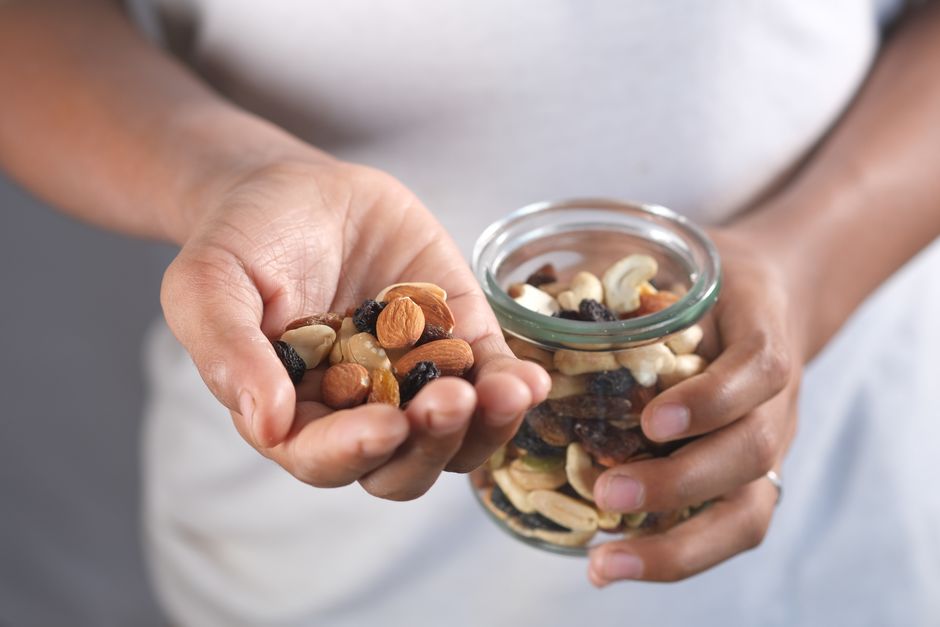
The healthiest snacks combine protein, fiber, and healthy fats with minimal added sugar and sodium. These nutrients work together to keep your blood sugar steady and your appetite satisfied between meals. A good snack provides lasting energy, not a quick spike followed by a crash.
What Are The Healthiest Snacks? The Basics
The healthiest snacks are whole, minimally processed foods that deliver real nutrition per bite. Think fruits, vegetables, nuts, seeds, yogurt, and eggs. These foods provide vitamins, minerals, and fiber that processed snack foods simply lack.
Snacks should also include protein. Protein slows digestion and keeps you full longer than carbohydrates alone. Pairing an apple with peanut butter or cheese with whole-grain crackers turns a simple carbohydrate into a balanced snack.
Portion size matters too. Even healthy foods have calories. A handful of almonds is about 23 nuts and roughly 160 calories. Eating from the bag directly often leads to eating more than intended.
Why Protein and Fiber Matter in a Snack
Protein and fiber are the two nutrients that determine how well a snack satisfies you. Fiber adds bulk and slows the release of sugar into your bloodstream. Protein triggers hormones that signal fullness to your brain.
When you eat a snack with both, you avoid the blood sugar spike and crash that comes from eating refined carbohydrates alone. A plain banana is fine, but a banana with a spoonful of peanut butter is more likely to keep you satisfied until your next meal.
This combination also supports muscle maintenance and steady energy throughout the day. Many people eat too little protein at snack time and too much sugar. Reversing that pattern is one of the simplest dietary improvements you can make.
Fruit and Vegetable Snacks
Fruits and vegetables are the foundation of any healthy snack list. They are rich in fiber, water, and micronutrients while being naturally low in calories. Apples, berries, carrots, and bell peppers are all excellent choices.
Whole fruit is better than juice. Juicing removes most of the fiber and concentrates the sugar. A medium orange has about 62 calories and 3 grams of fiber. A glass of orange juice has about 112 calories and almost no fiber.
Vegetables are even lower in calories than fruit. A cup of cherry tomatoes has about 30 calories. A cup of baby carrots has about 50. The challenge is making them appealing. Hummus, guacamole, or a small amount of ranch dressing can make raw vegetables feel like a treat.
Frozen fruit is just as nutritious as fresh. It is picked at peak ripeness and flash-frozen, which preserves nutrients. Frozen berries blended into yogurt or thawed and eaten alone make a convenient snack without added sugar.





Nuts, Seeds, and Nut Butters
Nuts and seeds are among the most nutrient-dense snack options available. They provide healthy fats, protein, fiber, vitamin E, magnesium, and other minerals. Almonds, walnuts, pistachios, and pumpkin seeds are all solid options.
Research consistently shows that regular nut consumption is linked to better heart health. Some studies suggest that eating nuts several times per week is associated with a lower risk of cardiovascular disease. The exact amount varies by study, but a small daily handful appears beneficial.
Nut butters offer the same benefits in a spreadable form. Peanut butter, almond butter, and cashew butter pair well with apples, celery, or whole-grain toast. Choose versions with no added sugar or hydrogenated oils. The ingredient list should be just the nut and possibly salt.
Watch portion sizes with nuts. They are calorie-dense. A serving is about one ounce, which is roughly a small handful. Portioning them into small containers or snack bags can prevent overeating.
Dairy and Protein-Rich Snacks
Greek yogurt is one of the best snack choices you can make. It has roughly twice the protein of regular yogurt. A typical 5.3-ounce container of plain Greek yogurt contains about 15 grams of protein and only about 80 calories when non-fat.
Choose plain yogurt and add your own fruit or a drizzle of honey. Flavored yogurts often contain as much sugar as a candy bar. Some flavored varieties pack 15 to 20 grams of added sugar per serving. That is close to the American Heart Association’s recommended daily limit of 25 grams for women.
Hard-boiled eggs are another excellent protein snack. One large egg provides 6 grams of protein and only about 70 calories. They are portable, inexpensive, and require no preparation if made ahead.
Cottage cheese is underrated. A half-cup serving has about 12 grams of protein and only about 90 calories in the low-fat version. It pairs well with pineapple, peaches, or cherry tomatoes.
Whole Grains and Smart Carbohydrates
Whole grains provide sustained energy because they retain their fiber-rich bran and germ. Popcorn, when air-popped and lightly seasoned, is a whole grain. A three-cup serving of air-popped popcorn has about 90 calories and 3 grams of fiber.
Oats are another excellent choice. A small bowl of oatmeal with berries and a sprinkle of cinnamon makes a filling snack. Steel-cut and rolled oats are less processed than instant varieties, though all are whole grain.
Whole-grain crackers or rice cakes can work as a snack base. The key is what you put on them. Top them with tuna, hummus, or avocado rather than processed cheese spreads.
Be cautious with granola and granola bars. Many are marketed as healthy but contain as much sugar as cookies. Check the label. If sugar appears in the first three ingredients, it is essentially a dessert.
Snacks to Limit or Avoid
Ultra-processed snack foods are the ones to minimize. Chips, cookies, pastries, and sugary granola bars provide calories with little nutritional value. They are engineered to be hyper-palatable, making them easy to overeat.
Added sugar is the main problem. The Dietary Guidelines for Americans recommend limiting added sugar to less than 10 percent of daily calories. For a 2,000-calorie diet, that is about 200 calories, or 50 grams, of added sugar per day.
Refined carbohydrates like white bread and pretzels digest quickly. They raise blood sugar rapidly and can leave you hungry an hour later. They lack the fiber and nutrients found in their whole-grain counterparts.
Sports drinks and energy bars are often unnecessary. These products are designed for athletes during prolonged exercise. For everyday snacking, they deliver excessive sugar and calories without meaningful fullness.
Snacking for Specific Goals
For weight management, focus on high-volume, low-calorie snacks. Vegetables, fruits, and broth-based soups fill you up without excess calories. Protein is still important to preserve muscle mass while losing fat.
For blood sugar control, the order matters. Eat protein and fat before carbohydrates. This slows gastric emptying and blunts the post-meal glucose rise. A snack of cheese first, then an apple, produces a smaller blood sugar response than the apple alone.
For athletes, timing matters more than specific foods. A snack with both carbohydrates and protein within an hour after exercise supports muscle recovery. Chocolate milk has been studied for this purpose and performs comparably to commercial recovery drinks.
For children, structure matters. Offering snacks at consistent times prevents grazing throughout the day. Pairing a new vegetable with a familiar favorite increases acceptance. Keep portion sizes small and let the child ask for more if still hungry.
Practical Tips for Healthier Snacking
Preparation prevents poor choices. Wash and cut vegetables as soon as you get home from the store. Portion nuts into small bags. Keep hard-boiled eggs in the refrigerator ready to grab.
Make snacks require some effort to eat. Nuts in shells, pistachios, and sunflower seeds in their shells slow down eating. This gives your brain time to register fullness before you finish the entire portion.
Do not snack in front of the television or computer. Distracted eating leads to consuming more without noticing. Sit at a table and focus on the food, even for a small snack.
Hunger is not the only reason people snack. Boredom, stress, and habit all trigger eating. Before reaching for food, ask if you are actually hungry. If not, a glass of water or a short walk may address the real need.
Frequently Asked Questions
What is the single healthiest snack?
No single snack is best for everyone, but plain Greek yogurt with berries combines protein, fiber, and probiotics in a low-calorie package. It is versatile, satisfying, and supported by strong nutritional evidence.
How many calories should a snack have?
Most adults should aim for 150 to 250 calories per snack depending on activity level and meal size. Snacks are meant to bridge the gap between meals, not replace them.
Is it better to eat three meals or several small snacks?
Both approaches work for different people, and the evidence does not clearly favor one over the other. What matters more is total daily calorie intake and the nutritional quality of the foods chosen.
Are protein bars a healthy snack?
Some protein bars are reasonable snack options, but many contain as much sugar as candy bars. Check the label for added sugar and choose bars with recognizable whole-food ingredients.
