
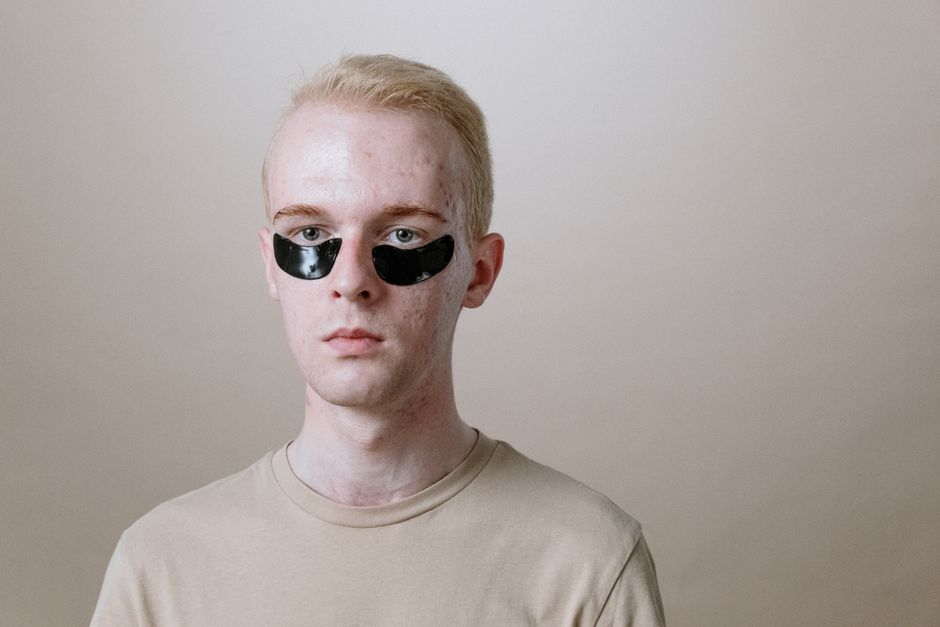
Popping a pimple the wrong way can turn a small blemish into a permanent scar. The safest way to pop a pimple without scarring is to only touch it when it has a visible white or yellow head, to use clean tools, and to stop if it does not drain easily. If you follow proper technique, you can reduce the risk of infection and long-term skin damage.
When Is It Actually Safe to Pop a Pimple?
Not every bump on your skin should be popped. The only type of pimple that is reasonably safe to drain at home is one with a clear white or yellow surface. This is called a pustule. The pus is close to the surface, so a gentle squeeze can release it without much force.
Do not pop blind pimples that sit deep under the skin. These are called nodules or cysts. They have no head, and squeezing them pushes inflammation deeper into the dermis. That increases the chance of scarring and makes the pimple last longer instead of shorter.
If the pimple is painful, red, or warm to the touch, leave it alone. This can signal an infection that needs medical treatment. Popping it at home can spread bacteria into surrounding tissue and make the problem worse.
Step-by-Step: How To Correctly Pop a Pimple Without Scarring
Start with clean hands. Wash them with soap and warm water for at least 20 seconds. Then wash your face with a gentle cleanser. This removes surface oil and bacteria that could enter the open pore.
Apply a warm compress for 5 to 10 minutes. Soak a clean washcloth in warm water, wring it out, and hold it against the pimple. The warmth softens the keratin and oil inside the pore, making drainage easier with less pressure.
Sanitize a needle or lancet. Use rubbing alcohol to wipe the tip of a sterile lancet or a sewing needle. Never use a safety pin, and never skip this step. A dirty needle introduces new bacteria directly into the wound.
Gently pierce the white head. Hold the needle parallel to the skin surface and poke through the very top of the pimple. Do not push the needle deep into the skin. You only want to break the thin layer of skin covering the pus.
Wrap your fingers in tissue or use cotton swabs. Place one swab on each side of the pimple, about 2 to 3 millimeters away from the edge. Press down gently, then pull outward. This motion lifts the contents out instead of pushing them deeper.
Stop when clear fluid or blood appears. This means the pus is gone. Continuing to squeeze after this point damages the surrounding skin and increases the risk of scarring.
Clean the area again and apply an antibiotic ointment or a thin layer of petroleum jelly. This keeps the wound moist, which supports healing and reduces scab formation.
What Not to Do When Popping a Pimple
Never use your fingernails. Nails carry bacteria and create jagged tears in the skin. These tears heal poorly and are more likely to scar than a clean puncture from a needle.
Do not squeeze with both fingers directly on top of the pimple. This forces pus downward into the dermis. The inflammation spreads, the pimple swells, and the healing time doubles.
Avoid popping pimples in the “danger triangle” of the face. This is the area from the bridge of your nose down to the corners of your mouth. Veins in this region drain toward the brain. An infection here can, in rare cases, spread to the cavernous sinus, a serious condition requiring emergency care. The risk is low, but the consequences are severe enough that dermatologists advise against popping pimples in this zone entirely.
Do not pop a pimple more than twice. If two gentle attempts do not drain it, stop. The pore is not ready, and further pressure only causes damage.



What to Do After You Pop a Pimple
The first 24 hours after popping determine how much scarring occurs. Keep the area clean but do not over-wash it. Wash once or twice daily with a gentle cleanser, then pat dry. Rubbing the area irritates the fresh wound.
Apply a spot treatment containing benzoyl peroxide or salicylic acid. These ingredients help keep the pore clear and reduce bacteria. Use them only on the popped pimple, not the entire face, to avoid drying out healthy skin.
Keep the wound moist. A moist wound heals faster and with less scabbing than a dry one. Use a small amount of petroleum jelly or a hydrocolloid patch. Hydrocolloid patches also absorb excess fluid and protect the area from picking.
Do not peel or pick at any scab that forms. A scab is the skin’s natural bandage. Pulling it off removes new skin cells underneath and can leave a permanent indent.
Wear sunscreen daily on the area. Fresh skin is more sensitive to UV damage, and sun exposure can cause the healing spot to turn dark. This darkening, called post-inflammatory hyperpigmentation, can last for months.
Why Some Pimples Scar Even When Popped Correctly
Even with perfect technique, some pimples will scar. The depth of the original inflammation matters more than your popping method. A deep nodule that has been inflamed for days has already damaged collagen in the dermis. Draining it does not reverse that damage.
Your skin type also plays a role. People with darker skin tones are more prone to hyperpigmentation after any skin injury. People with a history of keloid scars should avoid popping pimples entirely, as their skin produces excess collagen during healing.
Some research suggests that picking at skin is a habit that many people do without realizing it. If you find yourself touching your face throughout the day, try to notice when it happens. Keeping your hands busy or trimming your nails short can reduce the damage from unconscious picking.
When to See a Dermatologist Instead
See a dermatologist if you have cystic acne that regularly leaves scars. Prescription treatments like tretinoin or oral medications can reduce the number of deep pimples you get in the first place.
A dermatologist can inject a painful cyst with a steroid. This reduces inflammation within 24 to 48 hours and often prevents scarring. This is not a treatment you can do at home, and over-the-counter products will not achieve the same result.
If a pimple does not heal after two weeks, or if it keeps refilling, have it checked. Rarely, what looks like a pimple can be a different type of skin growth. A doctor can tell the difference and recommend the right treatment.
For existing scars, professional treatments like laser resurfacing, microneedling, or chemical peels can improve their appearance. These procedures are done by dermatologists and require multiple sessions. They are not quick fixes, but they are the most effective options for established scars.
Frequently Asked Questions
Can popping a pimple make it worse?
Yes. Popping a pimple before it has a head pushes bacteria and oil deeper into the skin, causing more inflammation and a longer healing time. It also increases the risk of infection and scarring.
How long should I wait before popping a pimple?
Wait until a visible white or yellow head forms on the surface. This usually takes 3 to 7 days from when the pimple first appears. If no head forms, do not pop it.
Is it better to leave a pimple alone than to pop it?
Yes, in most cases. A pimple that is left alone will resolve on its own within a week, while a poorly popped pimple can leave a scar that lasts for months or years.
Does toothpaste help heal a popped pimple?
No. Toothpaste is not designed for skin and can dry out the area, causing peeling and irritation. Use a benzoyl peroxide spot treatment or petroleum jelly instead.
