
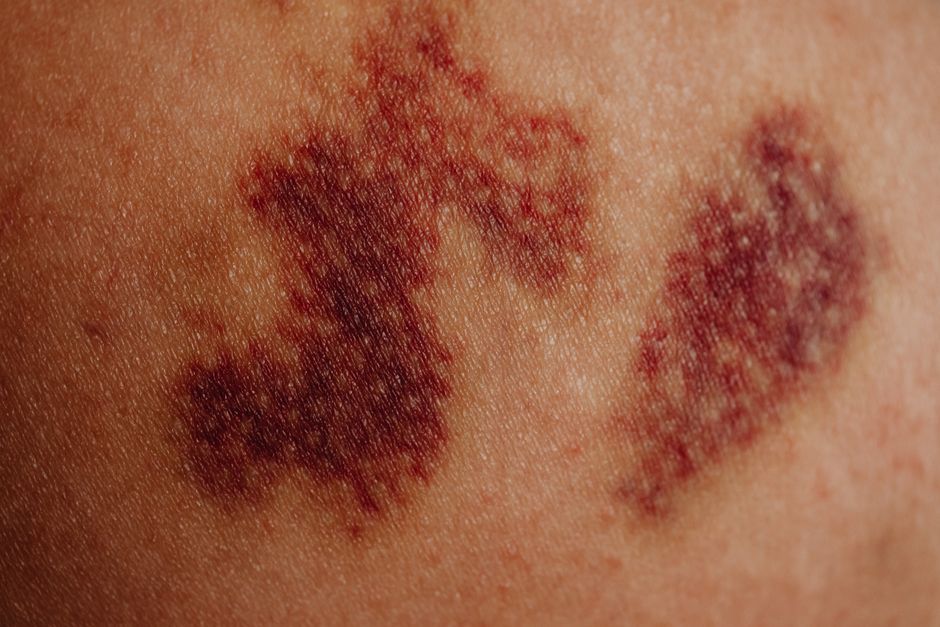
Bruising on older skin happens because the skin gets thinner and the blood vessels underneath become more fragile. The protective fat layer that cushions blood vessels also decreases with age. This combination means even a minor bump that would not mark younger skin can break small blood vessels and cause a bruise.
What Causes Bruising On The Elderly? Root Causes
Three main changes happen in aging skin that make bruising more likely. First, the epidermis — the outer layer of skin — becomes thinner. Second, the dermis, which is the middle layer, loses collagen and elastin. These are the proteins that give skin its structure and bounce. Third, the blood vessel walls themselves get weaker and more brittle.
Blood vessels in older skin are also supported by less connective tissue. When a vessel is bumped, there is less padding to absorb the force. The vessel wall can tear more easily, and blood leaks into the surrounding tissue. That pooled blood is what creates the familiar black-and-blue mark.
Medications play a major role too. Blood thinners like aspirin, warfarin, and newer anticoagulants make bruising much more common. Even over-the-counter supplements such as fish oil, vitamin E, and ginkgo biloba can have a mild blood-thinning effect. If you take any of these, your skin does not need as much force to bruise.
Why Do Elderly Bruises Take Longer To Heal?
Healing slows down with age because the body’s repair processes become less efficient. The inflammatory response that clears away damaged cells is slower. New collagen production drops, so the skin rebuilds itself at a reduced pace. Blood flow to the skin also decreases, which means fewer nutrients and oxygen reach the injured area.
A normal bruise typically fades within one to two weeks in a younger adult. In an older adult, the same bruise can take three to four weeks to fully disappear. The bruise may also spread out more before it fades because the leaked blood travels farther through looser skin tissue.
There is also a difference in how the bruise looks. Older skin often shows a bruise that is larger and darker than it would be on younger skin. The color change from red to purple to green to yellow still happens, but each stage may last longer.
When Should You Worry About An Elderly Bruise?
Most bruises are harmless and heal on their own. Some situations need medical attention. A bruise that keeps growing larger over several hours may indicate ongoing bleeding. A bruise that forms a hard lump, called a hematoma, can sometimes need drainage if it is large or painful.
Bruising in unusual places deserves attention. Bruises on the torso, back, or upper arms without a known injury should be evaluated. Bruises around the eyes or on the neck after a fall could indicate a more serious injury underneath. If the person hit their head and has bruising behind the ear or around both eyes, seek medical care promptly.
Other warning signs include:
- Bruising that appears without any remembered injury, especially in large numbers
- Bleeding from the gums or nose that is hard to stop
- Blood in the urine or stool
- Sudden severe pain at the bruise site
- Bruising that does not change in appearance after two weeks
Frequent unexplained bruising can sometimes signal an underlying medical condition. Low platelet counts, liver disease, or vitamin deficiencies such as vitamin C or vitamin K can all cause easy bruising. A blood test can identify these issues. Do not assume frequent bruising is just part of getting older without having a doctor check it.





Can Medications Cause Easy Bruising In The Elderly?
Yes, and this is one of the most common causes. Blood thinners are prescribed to prevent strokes and blood clots. They work by interfering with the clotting process. That same effect means blood takes longer to clot under the skin after a bump, producing larger and more frequent bruises.
Common medications that increase bruising include:
- Aspirin, even in low daily doses
- Clopidogrel (Plavix)
- Warfarin (Coumadin)
- Apixaban (Eliquis) and rivaroxaban (Xarelto)
- Ibuprofen and naproxen, especially with regular use
- Prednisone and other corticosteroids
Never stop a prescribed blood thinner on your own. These medications prevent serious events like strokes. Instead, talk to your doctor about the bruising. They can check whether the dose is appropriate and whether the medication is still necessary. Sometimes a dose adjustment reduces bruising without losing the protective benefit.
Alcohol also affects blood clotting. Regular alcohol use can impair platelet function and reduce clotting factor production in the liver. Combined with blood thinners, alcohol significantly increases bruising risk.
Are There Vitamin Deficiencies That Cause Bruising?
Yes, but this is less common than age-related skin changes or medication effects. Vitamin C is required for collagen production. Severe vitamin C deficiency, known as scurvy, causes easy bruising along with gum bleeding and poor wound healing. This is rare in developed countries but can occur in older adults with very limited diets.
Vitamin K is needed to produce several clotting factors in the liver. A deficiency can cause bleeding and bruising. Most healthy adults get enough vitamin K from leafy green vegetables. However, people taking certain antibiotics for a long time, or those with fat absorption problems, can become deficient.
Iron deficiency anemia does not directly cause bruising, but it can make existing bruises more noticeable. Low iron reduces hemoglobin, which gives blood its red color. Bruises may appear darker against paler skin.
If bruising is the only symptom, a vitamin deficiency is unlikely to be the cause. Blood tests can check vitamin levels if there is concern. Do not start taking high-dose vitamin supplements without knowing if you actually need them.
How Can Elderly Skin Be Protected From Bruising?
Prevention focuses on reducing the force of impacts and protecting fragile skin. Long sleeves and pants provide a physical barrier. They do not stop bruising entirely, but they absorb some of the impact from bumps against furniture or door frames.
Home safety matters. Remove loose rugs that can slip. Improve lighting in hallways and stairways. Install grab bars in the bathroom. Clear walking paths of cords and clutter. Falls are a leading cause of bruising in older adults, and preventing falls prevents bruises.
Moisturizing the skin daily helps maintain its integrity. Dry skin cracks and tears more easily. A simple fragrance-free moisturizer applied after bathing can keep the skin supple. There is no evidence that any specific cream prevents bruising, but healthier skin is more resilient.
Some doctors recommend arnica cream or gel for bruising. The evidence for arnica is mixed. Some small studies suggest it may help bruises fade faster, while others show no benefit. It is generally safe when applied to unbroken skin, but check with a pharmacist first if you have sensitive skin or allergies.
Can Sun Damage Make Bruising Worse?
Yes. Long-term sun exposure damages the collagen and elastin in the skin. This process, called photoaging, accelerates the thinning and weakening that happens with age. The forearms and the backs of the hands are the most sun-exposed areas, and they are also the most common places for elderly bruising.
Sun damage also affects the small blood vessels near the skin surface. These vessels become more fragile and can break with minimal trauma. Protecting skin from the sun now — with sunscreen, hats, and long sleeves — helps prevent additional damage, but it cannot reverse damage already done.
Frequently Asked Questions
What does it mean when an elderly person bruises easily?
It usually means the skin is thinner and the blood vessels are more fragile than they used to be. Medications, especially blood thinners, can make this much worse.
When should I take an elderly person to the doctor for a bruise?
Seek medical care if the bruise grows rapidly, forms a hard painful lump, or appears without any known injury. Also seek care if bruising comes with bleeding from the gums, nose, or in the stool.
Can blood thinners cause bruising in the elderly?
Yes, blood thinners are a leading cause of easy bruising in older adults. They prevent blood from clotting quickly, so even minor bumps produce larger bruises that take longer to heal.
How long do bruises last on elderly skin?
A bruise on older skin typically takes three to four weeks to fade. Bruises on younger skin usually heal within one to two weeks.
