
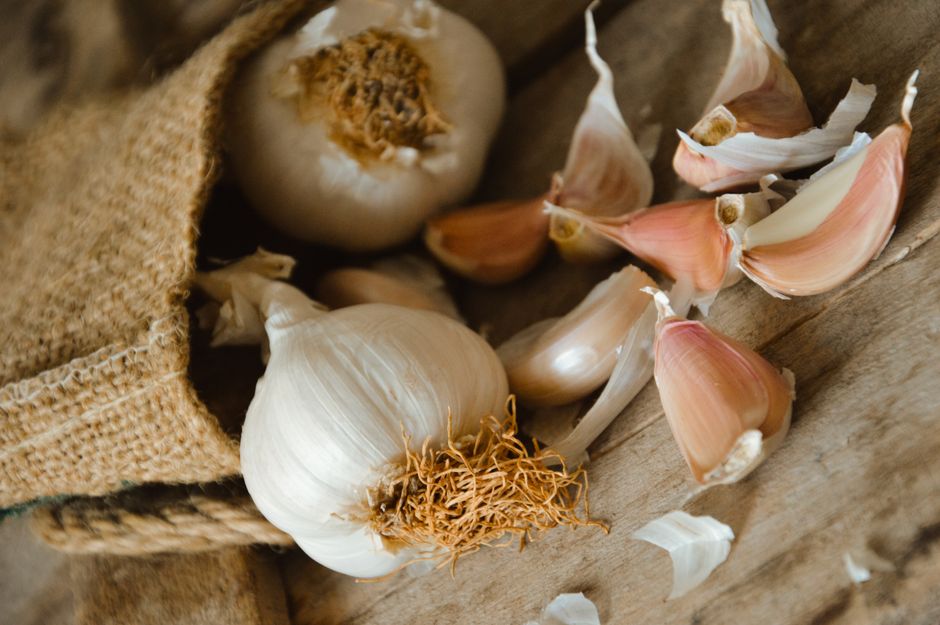
Garlic tablets are a popular supplement, but the health benefits are often oversold. The honest answer is that garlic tablets can support heart health by modestly lowering blood pressure and cholesterol, and they may help shorten a cold. However, they are not a cure for any disease, and their effects are generally small compared to prescription medications. The evidence is strongest for cardiovascular benefits, while many other claimed benefits lack solid human research.
What Are The Health Benefits Of A Garlic Tablet?
Garlic tablets offer a concentrated dose of the active compounds found in fresh garlic. The main active ingredient is allicin, which forms when garlic is crushed or chopped. Most quality garlic supplements are standardized to contain a specific amount of this compound.
The most well-documented benefits focus on the cardiovascular system. Research consistently shows that garlic supplements can produce a small but measurable reduction in blood pressure. The effect is most noticeable in people who already have elevated blood pressure rather than in those with normal readings.
Studies have also found that garlic tablets can lower total cholesterol and LDL cholesterol slightly. These reductions are modest—typically in the single-digit percentage range—but they can be meaningful when combined with other lifestyle changes. Garlic does not replace statin medications, but it may be a reasonable addition for some people.
Beyond the heart, some evidence suggests garlic tablets might reduce the duration of a common cold. The research here is less robust but points toward a modest benefit. Other claims—such as cancer prevention, improved athletic performance, or antimicrobial effects—have some laboratory support but lack strong human trial data.
How Does Garlic Lower Blood Pressure?
Garlic’s blood pressure effect comes from its sulfur compounds. When allicin breaks down in the body, it produces hydrogen sulfide. This gas acts as a signaling molecule that relaxes blood vessel walls.
Relaxed blood vessels mean less resistance to blood flow. Lower resistance translates directly into lower blood pressure. The effect is similar in principle to how some prescription blood pressure medications work, though garlic’s action is much gentler.
The blood pressure reduction from garlic supplements is typically around 8-10 mmHg systolic in people with hypertension. That is enough to reduce stroke and heart attack risk over time, but not enough to bring severely elevated blood pressure into a normal range. Anyone with blood pressure above 160/100 mmHg should not rely on garlic alone.
Garlic also appears to support blood vessel flexibility over time. Chronic inflammation damages vessel walls, making them stiff. The antioxidant properties of garlic compounds may slow this process, though the long-term clinical significance is not fully established.
Can Garlic Tablets Improve Cholesterol Levels?
Garlic supplements have a modest effect on blood lipids. Multiple trials show total cholesterol reductions of about 10-15 mg/dL in people with elevated cholesterol. LDL cholesterol drops by a similar margin.
The effect on HDL—the “good” cholesterol—is less consistent. Most studies show little to no change in HDL levels. Triglycerides also appear largely unaffected by garlic supplementation.
These cholesterol changes are meaningful for population health but small for an individual. A 12-point LDL reduction lowers cardiovascular risk by roughly 5-8 percent. That is valuable but not dramatic.
People already taking statin medications generally do not need garlic supplements for additional cholesterol lowering. The combined effect is small and not well studied. Statins remain far more effective at reducing LDL cholesterol than any garlic product.



Garlic Tablets and the Common Cold
Garlic has a long folk history as a cold remedy. Modern research gives this some support, though the evidence base is thin.
One well-known trial found that people taking garlic supplements had fewer colds and recovered faster when they did get sick. The study was small and has not been replicated on a large scale. Other trials have shown no significant benefit.
The proposed mechanism involves immune system modulation. Garlic compounds appear to stimulate certain white blood cells and may reduce the severity of inflammatory responses. These effects are biologically plausible but have not been consistently demonstrated in large human trials.
If garlic shortens a cold, the effect is likely modest—perhaps a day or two less of symptoms. It does not prevent colds entirely. Good hand hygiene and adequate sleep remain far more effective cold prevention strategies.
What About Garlic for Cancer Prevention?
Population studies have linked higher garlic consumption with lower rates of certain cancers, particularly stomach and colorectal cancer. These observational findings are consistent but cannot prove cause and effect.
Laboratory research shows that garlic compounds can slow cancer cell growth and trigger apoptosis—programmed cell death—in isolated cells. These findings do not translate directly to humans. The doses used in laboratory experiments are far higher than what supplements deliver.
No clinical trial has demonstrated that garlic tablets prevent cancer in humans. The American Institute for Cancer Research notes that garlic may have a protective effect against stomach cancer but does not recommend supplements for this purpose. Whole food consumption appears more beneficial than supplements in observational studies.
The honest position is that garlic is a healthy food with some plausible anti-cancer properties. Whether garlic tablets specifically reduce cancer risk remains unknown. No one should take garlic supplements hoping to prevent cancer.
How to Choose a Garlic Supplement
Not all garlic tablets are equal. The active compound allicin is unstable and degrades quickly. Many products claim allicin content but deliver very little by the time they reach your stomach.
Look for supplements standardized to allicin potential or allicin yield. Enteric-coated tablets protect the active compounds from stomach acid, allowing them to reach the intestines where absorption is better. Aged garlic extract is another option with its own research base.
Fresh garlic is also a valid choice. One clove per day provides similar active compounds, though the dose is less predictable than a standardized supplement. Cooking reduces allicin content significantly, so raw or lightly crushed garlic delivers more active compounds.
Garlic supplements are generally safe for most adults. The most common side effects are breath odor, body odor, and stomach upset. These are harmless but can be socially inconvenient.
Who Should Avoid Garlic Tablets?
Garlic has natural blood-thinning properties. People taking warfarin or other anticoagulant medications should talk to their doctor before starting garlic supplements. The combination can increase bleeding risk.
People scheduled for surgery should stop garlic supplements at least one to two weeks beforehand. The blood-thinning effect can complicate surgical bleeding. Always disclose supplement use to your surgical team.
Pregnant and breastfeeding women should avoid high-dose garlic supplements. No clinical guidelines establish safe doses for these populations. Culinary amounts of garlic in food are fine, but concentrated supplements carry unknown risk.
People with gastroesophageal reflux disease or sensitive stomachs may find garlic worsens their symptoms. Starting with a low dose and taking the supplement with food can reduce stomach irritation.
Frequently Asked Questions
How long does it take for garlic tablets to lower blood pressure?
Some studies show measurable blood pressure reductions within 8-12 weeks of daily supplementation. The effect appears gradually and requires consistent daily use.
What is the best time of day to take a garlic tablet?
Taking garlic tablets with a meal reduces stomach upset and improves tolerance. The time of day does not significantly affect the active compound absorption.
Are raw garlic cloves better than garlic tablets?
Raw garlic provides similar active compounds but with less predictable dosing and more stomach irritation. Garlic tablets offer standardized dosing and better tolerance for most people.
Can garlic tablets interact with blood pressure medication?
Garlic may add to the blood pressure-lowering effect of prescription medications, potentially causing blood pressure to drop too low. Monitor your blood pressure regularly and inform your doctor about all supplements you take.
