
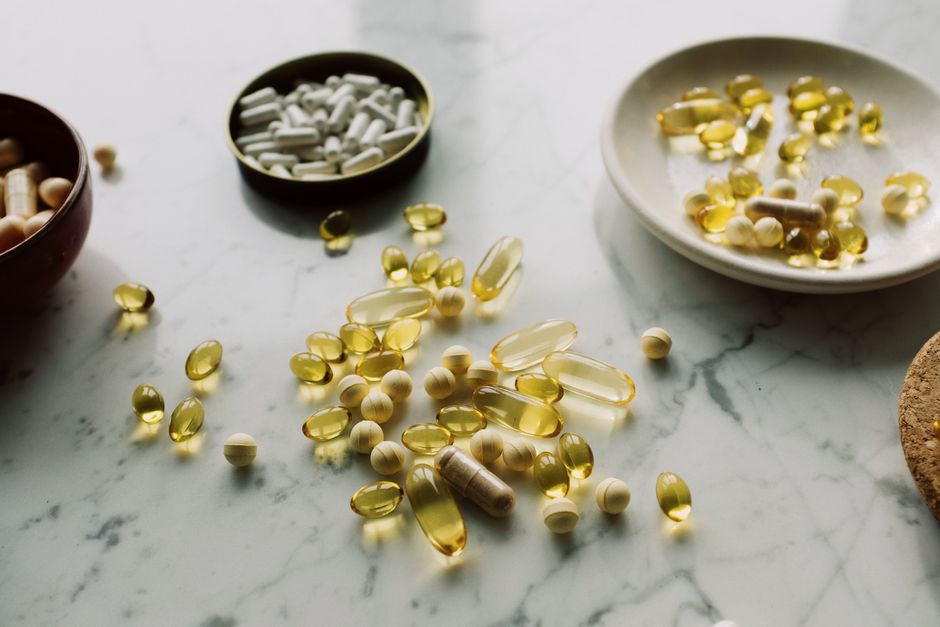
Vitamin E is a fat-soluble nutrient that works as an antioxidant in your body, helping to protect cells from damage caused by free radicals. The best way to get it is through food, not supplements. Foods that contain vitamin E include vegetable oils, nuts, seeds, and green leafy vegetables — with wheat germ oil, sunflower seeds, and almonds ranking among the richest sources.
What Are The Foods That Contain Vitamin E? Explained
Vitamin E is not one single substance. It is a group of eight fat-soluble compounds, with alpha-tocopherol being the form your body uses most readily. Because your body stores vitamin E in fat tissue and the liver, you do not need to consume it at every meal. You need a steady supply over time, and a varied diet usually provides enough.
The recommended daily allowance for adults is 15 milligrams of alpha-tocopherol per day. Many foods deliver that amount in a single serving or two. The table below shows some of the most concentrated dietary sources.
| Food | Serving Size | Approximate Vitamin E Content |
|---|---|---|
| Wheat germ oil | 1 tablespoon | 20 mg (over 100% DV) |
| Sunflower seeds | 1 ounce (about 1/4 cup) | 7.4 mg (about 50% DV) |
| Almonds | 1 ounce (about 23 nuts) | 7.3 mg (about 50% DV) |
| Hazelnuts | 1 ounce (about 21 nuts) | 4.3 mg (about 28% DV) |
| Sunflower oil | 1 tablespoon | 5.6 mg (about 37% DV) |
| Safflower oil | 1 tablespoon | 4.6 mg (about 31% DV) |
| Peanut butter | 2 tablespoons | 2.9 mg (about 19% DV) |
| Spinach (cooked) | 1/2 cup | 1.9 mg (about 13% DV) |
| Broccoli (cooked) | 1/2 cup | 1.2 mg (about 8% DV) |
| Avocado | 1/2 fruit | 2 mg (about 14% DV) |
Values are based on USDA food composition data. The Daily Value (DV) is set at 15 mg for adults.
Which Oils Are Highest in Vitamin E?
Wheat germ oil is the single most concentrated food source of vitamin E. One tablespoon provides more than your entire daily need. But wheat germ oil is not a common cooking oil. It has a low smoke point and a strong flavor, so most people use it in dressings or drizzled over finished dishes.
Sunflower oil and safflower oil are practical cooking options with meaningful vitamin E content. One tablespoon of sunflower oil delivers about a third of your daily requirement. Olive oil contains less — roughly 2 mg per tablespoon — but it still contributes when used regularly.
Here is an important point about oils and vitamin E. The vitamin is in the oil itself, not the plant matter. That means oil from sunflower seeds contains vitamin E, but the refined oil has less than cold-pressed versions. Processing removes some of the naturally occurring vitamin E, and high-heat cooking also degrades it.
Store oils in a cool, dark place. Vitamin E is sensitive to light and heat, and oils that sit in sunlight lose their vitamin E content over time.
Nuts and Seeds: The Most Practical Sources
For most people, nuts and seeds are the easiest way to meet vitamin E needs. They are shelf-stable, require no cooking, and fit easily into a daily routine.
Sunflower seeds are among the best sources. A single ounce — roughly a quarter cup — provides about half of your daily vitamin E need. Almonds are nearly equal. One ounce of almonds contains about 7 mg. Hazelnuts and pine nuts also contribute, though at lower levels.
Peanut butter delivers about 2.9 mg per two-tablespoon serving. That is not a huge amount, but for people who eat peanut butter regularly, it adds up.
One caution: nuts and seeds are calorie-dense. A small handful is a serving. Eating them by the bagful will give you plenty of vitamin E but also far more calories than most people need.
Nut and seed butters retain the vitamin E content of the whole food. Almond butter and sunflower seed butter are comparable to their whole-food counterparts on a per-ounce basis.





Vegetables and Fruits with Vitamin E
Green leafy vegetables contain vitamin E, but in lower amounts than oils and nuts. Cooked spinach provides roughly 1.9 mg per half cup. Cooked broccoli provides about 1.2 mg per half cup. Swiss chard and turnip greens are similar.
One point that surprises many people: vitamin E is fat-soluble. That means eating it with some fat improves absorption. A spinach salad with an oil-based dressing delivers more usable vitamin E than steamed spinach eaten plain. The oil in the dressing serves a dual purpose — it adds its own vitamin E and helps your body absorb the vitamin E from the spinach.
Avocados are a solid fruit source. Half an avocado provides about 2 mg. They also contain healthy monounsaturated fats, which support absorption of fat-soluble vitamins from other foods eaten in the same meal.
Most common fruits — apples, bananas, citrus, berries — contain very little vitamin E. If fruit is your primary source of vitamins, you will likely fall short on vitamin E.
Fortified Foods: What to Know
Many breakfast cereals and some plant-based milk alternatives are fortified with vitamin E. Fortification means the vitamin is added during processing, not naturally present.
Fortified foods can help people meet their needs, especially those who do not eat nuts, seeds, or oils. But check the label. The amount added varies widely between brands and products. Some cereals provide 100% of the Daily Value per serving. Others provide far less.
Fortified foods are not inherently better than natural sources. The vitamin E added to cereals and plant milks is typically synthetic. Your body uses synthetic alpha-tocopherol less efficiently than the natural form found in foods. The recommended daily allowance accounts for this difference, so fortified foods still count toward your daily total.
Signs You Might Not Be Getting Enough
True vitamin E deficiency is rare in healthy people. Your body stores it in fat tissue, so short periods of low intake do not cause problems. Deficiency develops slowly, over months or years of inadequate intake.
When deficiency does occur, it typically results from conditions that impair fat absorption. These include cystic fibrosis, Crohn’s disease, and certain liver diseases. People who have had gastric bypass surgery may also be at risk.
Symptoms of deficiency include nerve damage in the hands and feet, muscle weakness, vision problems, and a weakened immune system. These symptoms are serious and warrant medical attention. They are not something to diagnose yourself.
Most Americans do not meet the recommended daily allowance for vitamin E through food alone. Survey data consistently show that average intake is below 15 mg per day. However, low intake does not equal deficiency. Blood levels in most people remain within normal range because the body conserves its stores.
Supplements: What the Evidence Shows
Vitamin E supplements are popular, but the evidence for taking them is weak. Large clinical trials have not shown that vitamin E supplements prevent heart disease or cancer. Some studies have even suggested that high-dose supplements — above 400 IU per day — may increase health risks in certain populations.
Food sources are different from supplements. When you get vitamin E from food, you consume it in small amounts alongside hundreds of other beneficial compounds. The dose is modest, and your body regulates absorption. A supplement delivers a concentrated dose all at once, which is a different physiological situation.
There is no established benefit to taking vitamin E supplements if you are a healthy person eating a varied diet. If you have a medical condition that affects fat absorption, your doctor may recommend a specific supplement. Do not start high-dose vitamin E on your own.
Practical Ways to Add More Vitamin E to Your Diet
You do not need to overhaul your diet to get enough vitamin E. Small changes can close the gap.
- Use sunflower oil or safflower oil for cooking a few times per week.
- Keep a small container of almonds or sunflower seeds at your desk or in your bag for a snack.
- Add a tablespoon of wheat germ oil to smoothies or salad dressings.
- Choose spinach or Swiss chard as your salad base instead of iceberg lettuce.
- Spread almond butter on toast instead of butter or cream cheese.
- Eat half an avocado with your lunch a few days per week.
These are simple substitutions, not complicated recipes. They work because they add foods that are naturally concentrated in vitamin E without requiring you to track your intake obsessively.
Frequently Asked Questions
What food has the highest amount of vitamin E?
Wheat germ oil has the highest concentration, with about 20 mg per tablespoon. Among commonly eaten whole foods, sunflower seeds and almonds are the top sources.
Are eggs high in vitamin E?
No. One large egg contains about 0.5 mg of vitamin E, which is roughly 3% of the daily value. Eggs are not a meaningful source.
Is it better to get vitamin E from food or supplements?
Food is the better choice for healthy people. Food sources provide vitamin E in natural form with other beneficial nutrients, and no large trial has shown clear benefits from supplements.
Can you get too much vitamin E from food?
No. Vitamin E toxicity is not a concern from food alone. The upper limit of 1,000 mg per day applies only to supplements, where high doses can interfere with blood clotting.
