
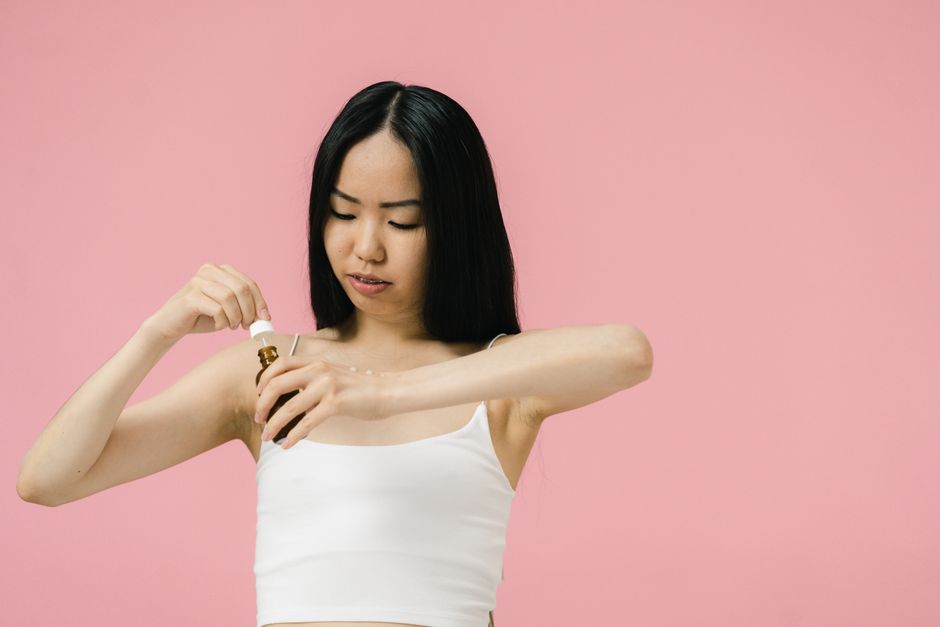
If you have looked at vitamin C serums, you have seen 10% on many bottles. The short answer is that 10% is the most common starting point, and for most people, it is the best balance of effectiveness and low irritation. Vitamin C at 10% has been shown in research to improve skin brightness, reduce fine lines, and protect against sun damage. Higher percentages like 15% or 20% are stronger but also cause more skin reactions. Lower percentages like 5% are gentler but may not give visible results. For a first-time user or someone with normal skin, 10% is the sweet spot.
Does 10% Vitamin C Serum Actually Work?
Yes. Studies have found that a 10% concentration of L-ascorbic acid — the active form of vitamin C — can penetrate the skin and boost collagen production. Research published in the Journal of Clinical and Aesthetic Dermatology showed that 10% vitamin C applied daily for 12 weeks improved skin texture and reduced hyperpigmentation.
The key is that vitamin C works best at a pH below 3.5. Many 10% serums are formulated to hit that pH range. If the pH is too high, the vitamin C cannot enter the skin cells effectively. So the percentage matters, but the formulation matters just as much.
Some people report seeing brighter skin within two to four weeks. Deeper changes like reduced wrinkles take three to six months of daily use. It is not a quick fix. It is a long-term skin health tool.
What Percentage Of Vitamin C Serum Is Best 10? Here Is the Evidence
Dermatologists often recommend 10% as the starting dose because it is the lowest concentration that consistently shows measurable results. A study in Dermatologic Surgery compared 5%, 10%, and 15% vitamin C serums over 12 weeks. The 10% group showed significantly more improvement in skin firmness and brightness than the 5% group. The 15% group showed slightly more improvement than the 10% group but also had twice the rate of stinging and redness.
The American Academy of Dermatology has stated that vitamin C concentrations between 10% and 20% are effective for most people. They note that concentrations above 20% do not provide additional benefits and increase the risk of irritation.
For someone with sensitive skin, rosacea, or eczema, 10% may still be too strong. Some dermatologists recommend starting with a 5% serum for two weeks before moving up to 10%. For oily or thick skin, 15% may work fine from the start.
| Vitamin C Concentration | Best For | Common Side Effects |
|---|---|---|
| 5% | Sensitive skin, beginners, rosacea-prone skin | Rare mild tingling |
| 10% | Most skin types, first-time users, daily use | Mild stinging in some users |
| 15% | Oily or resilient skin, experienced users | Stinging, redness in 15-20% of users |
| 20% | Only for those who tolerated 15% well | High irritation risk, unstable formula |
What Are the Side Effects of 10% Vitamin C Serum?
The most common side effect is a mild stinging or tingling sensation when first applied. This usually fades within a minute. Redness, peeling, or dryness can occur if the serum is used too often or alongside other strong actives like retinol or AHAs.
Some people develop a yellow or orange tint on their skin from oxidized vitamin C. This is not harmful, but it means the serum has gone bad and should be replaced. Vitamin C serums oxidize quickly when exposed to air and light. A 10% serum typically lasts three to six months after opening if stored in a dark, cool place.
Allergic reactions are rare but possible. Signs include intense itching, swelling, or a rash. If this happens, stop using the product and see a dermatologist. Patch testing on the inner arm for three days before applying to the face is a smart precaution.



How to Choose a 10% Vitamin C Serum
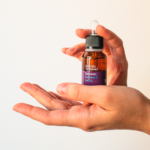
Look for L-ascorbic acid as the ingredient, not ascorbyl palmitate or sodium ascorbyl phosphate. Those are weaker forms. The bottle should be dark — amber, cobalt, or opaque — to block light. Airless pumps are better than droppers because they limit oxygen exposure.
Check the ingredient list for vitamin E (tocopherol) and ferulic acid. These two ingredients stabilize vitamin C and boost its effectiveness. A 10% serum with both of these is more stable and more potent than one without them.
Avoid serums that list water as the first ingredient and vitamin C near the bottom. The concentration listed on the front may not match the actual amount in the bottle. Reputable brands include The Ordinary, SkinCeuticals, Paula’s Choice, and CeraVe. These brands have published stability data or third-party testing.
Common Misconceptions About Vitamin C Serum Strength
A common myth is that higher percentages always give better results. This is not true. The skin can only absorb a limited amount of vitamin C at a time. Once the skin is saturated, extra vitamin C sits on top and can cause irritation without adding benefit. Studies indicate that saturation occurs around 20% for most people.
Another myth is that vitamin C serums work immediately. They do not. Collagen production takes weeks. Antioxidant protection builds gradually. If a serum claims instant results, it likely contains other ingredients like niacinamide or hyaluronic acid that give temporary plumping or brightening effects. The vitamin C itself takes time.
Some people believe that a higher percentage means the serum lasts longer on the shelf. The opposite is true. Higher concentrations of L-ascorbic acid are less stable and oxidize faster. A 10% serum stored properly will typically outlast a 20% version.
How to Use a 10% Vitamin C Serum Correctly
Apply it in the morning on clean, dry skin. Wait 30 seconds for it to absorb before applying moisturizer and sunscreen. Vitamin C boosts the effectiveness of sunscreen, so using them together provides better protection.
Start with three times per week for the first two weeks. If no irritation occurs, increase to daily use. If stinging or redness happens, drop back to every other day or switch to a 5% serum.
Do not mix vitamin C serum with benzoyl peroxide or copper peptides in the same routine. These ingredients can cancel out the vitamin C or cause irritation. Use them at different times of day or on alternate days.
Store the bottle in a cabinet away from sunlight and heat. Do not keep it in the bathroom where humidity and temperature fluctuate. A cool, dark drawer is ideal.
What to Avoid When Buying a 10% Vitamin C Serum
Avoid clear bottles. Vitamin C is destroyed by light. If you can see the liquid inside, the serum will degrade faster. Also avoid serums that smell like hot dog water or pennies. That smell means the vitamin C has already oxidized and will not work.
Do not buy serums with long lists of plant extracts, essential oils, or fragrances. These can irritate the skin and do not help the vitamin C work better. A simple formula with L-ascorbic acid, vitamin E, ferulic acid, and a few stabilizers is best.
Avoid products that claim to be “natural” vitamin C from fruits like citrus or kakadu plum. These contain ascorbic acid, but the concentration is inconsistent and the pH is usually too high for effective absorption. Synthetic L-ascorbic acid is the standard for a reason.
Frequently Asked Questions
Can I use a 10% vitamin C serum every day?
Yes, most people can use it daily after a two-week adjustment period. If your skin feels irritated, reduce to every other day.
Is 10% vitamin C good for acne scars?
Yes, 10% vitamin C can help fade dark spots from acne over several months. It works best when combined with sunscreen.
Can I mix 10% vitamin C serum with retinol?
It is best not to use them at the same time. Use vitamin C in the morning and retinol at night to avoid irritation.
How long does a 10% vitamin C serum last after opening?
Most last three to six months if stored in a cool, dark place. Discard it if the color turns dark yellow or brown.
