
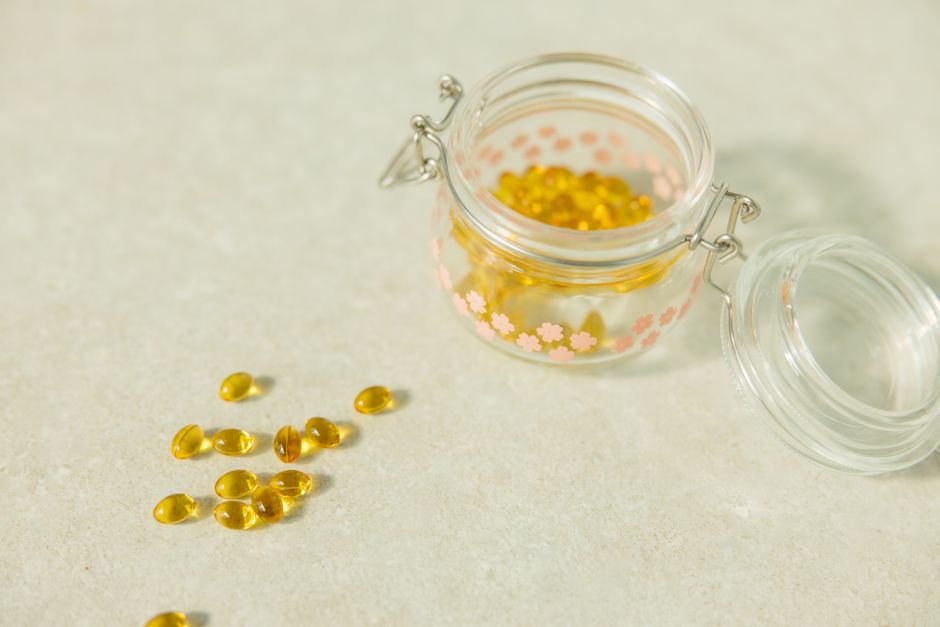
Vitamin D is essential for female health because it helps the body absorb calcium, which keeps bones strong and reduces fracture risk. It also supports immune function, regulates mood, and may play a role in hormone balance. Without enough vitamin D, women face higher risks of osteoporosis, infections, and possibly certain pregnancy complications.
How Does Vitamin D Affect Bone Health in Women?
Bone health is the most well-understood role of vitamin D. The National Institutes of Health states that vitamin D helps your intestines absorb calcium from food. Without enough vitamin D, your body pulls calcium from your bones, making them weaker over time.
Women are at higher risk for osteoporosis than men. After menopause, estrogen levels drop, which speeds up bone loss. The National Osteoporosis Foundation reports that one in two women over age 50 will break a bone due to osteoporosis. Getting enough vitamin D and calcium together can slow that bone loss.
A study published in the Journal of Clinical Endocrinology & Metabolism found that women with vitamin D levels below 20 ng/mL had significantly lower bone density in their hips and spines. That is a real measurable difference. The recommended daily intake for women under 70 is 600 IU. After age 70, it goes up to 800 IU.
Can Vitamin D Help With Hormone Balance and PMS?
Some research suggests vitamin D may influence hormone regulation. A 2019 study in Nutrients found that women with higher vitamin D levels reported fewer PMS symptoms like mood swings and cramps. The connection is not fully understood but may involve how vitamin D affects serotonin and calcium regulation in the brain.
For women with polycystic ovary syndrome (PCOS), vitamin D levels tend to be lower. A review in Hormone and Metabolic Research found that vitamin D supplementation improved insulin sensitivity in women with PCOS. That is important because insulin resistance is a core issue in PCOS.
However, this is not a cure. Some women with normal vitamin D levels still have PMS or PCOS symptoms. Vitamin D appears to help some women but not all. The evidence is moderate — promising but not definitive.
What Does Vitamin D Do For Female Health During Pregnancy?
Vitamin D is critical during pregnancy for both mother and baby. The American College of Obstetricians and Gynecologists recommends screening only for women at high risk, but many experts argue all pregnant women should check their levels.
A 2017 study in The Lancet linked low vitamin D in pregnant women to higher rates of preeclampsia, gestational diabetes, and preterm birth. Babies born to mothers with low vitamin D also had lower birth weights and higher risk of rickets.
Breastfeeding mothers need even more vitamin D. Breast milk is naturally low in vitamin D. The CDC recommends all breastfed infants receive 400 IU of vitamin D drops daily starting in the first few days of life. For the mother, maintaining adequate levels helps prevent her own bone loss during breastfeeding.
The takeaway is clear: if you are pregnant or planning to be, ask your doctor to check your vitamin D level. The optimal range during pregnancy is debated, but most experts aim for at least 30 ng/mL.





Does Vitamin D Affect Mood and Depression in Women?
There is a real connection between vitamin D and mood. Vitamin D receptors exist in brain regions involved in mood regulation. A 2020 meta-analysis in JAMA Psychiatry found that people with depression had significantly lower vitamin D levels than those without depression.
Women are diagnosed with depression at roughly twice the rate of men. Some research suggests low vitamin D may be one contributing factor. A study in Psychiatry Research gave women with low vitamin D and depression either a supplement or a placebo. After eight weeks, the supplement group reported lower depression scores.
But here is the honest part: vitamin D is not a replacement for therapy or antidepressant medication. It may help as part of a broader approach. If your vitamin D is low and you feel down, fixing that deficiency is worth trying. But do not expect it to fix everything.
How Does Vitamin D Support Immune Function in Women?
Vitamin D helps your immune system fight off infections. It activates T-cells, which are white blood cells that attack pathogens. A large 2017 study in the BMJ found that daily or weekly vitamin D supplementation reduced the risk of respiratory infections by roughly 40% in people with low baseline levels.
Women with autoimmune diseases like lupus, rheumatoid arthritis, and multiple sclerosis often have lower vitamin D levels. Research published in Autoimmunity Reviews suggests that vitamin D may help regulate the immune system and reduce inflammation. That could explain why some women with autoimmune conditions feel worse in winter when sunlight is scarce.
The evidence is strong that vitamin D supports immune function. It is not a magic shield against every illness. But maintaining adequate levels is a reasonable step for general health.
What Are the Best Sources of Vitamin D for Women?
Your body makes vitamin D when your skin is exposed to sunlight. But many factors limit that. Sunscreen blocks production. Living above the 37th parallel (roughly a line from San Francisco to Philadelphia) means the sun is too weak for vitamin D production from November through March. Darker skin produces less vitamin D from sunlight.
Food sources are limited. Fatty fish like salmon and mackerel are the best natural sources. One serving of salmon provides around 400-600 IU. Fortified foods like milk, orange juice, and breakfast cereals contain added vitamin D. But you would need to drink four cups of fortified milk to get 400 IU.
Supplements are the most reliable way to maintain levels. Vitamin D3 (cholecalciferol) is the form your body makes from sunlight and is more effective than D2. Most women need 600-2000 IU daily depending on their baseline level.
| Source | Approximate Vitamin D Content | Notes |
|---|---|---|
| Sunlight (15 minutes, arms/legs) | 1000-3000 IU (varies) | Depends on time, location, skin tone |
| Cooked salmon (3.5 oz) | 400-600 IU | Best food source |
| Fortified milk (1 cup) | 100 IU | Check label for exact amount |
| Vitamin D3 supplement | 600-2000 IU per pill | Most reliable option |
What Are the Signs of Vitamin D Deficiency in Women?
Many women with low vitamin D have no obvious symptoms. That is why deficiency is often called a silent problem. When symptoms do appear, they can be vague and easy to blame on other things.
Common signs include bone pain, muscle weakness, and fatigue. Some women report getting sick more often or feeling down during winter months. A simple blood test called 25-hydroxy vitamin D can tell you your level.
- Below 12 ng/mL: Deficient. You need treatment.
- 12-20 ng/mL: Insufficient. Many experts recommend supplementation.
- 20-50 ng/mL: Adequate for most people.
- Above 50 ng/mL: Some experts consider this optimal, but levels above 80 ng/mL may cause problems.
If you have chronic fatigue, bone pain, or frequent infections, ask your doctor to check your vitamin D level. It is a simple test and worth doing before starting high-dose supplements.
What to Avoid With Vitamin D Supplements
More is not better with vitamin D. Taking extremely high doses — like 10,000 IU daily for months — can cause toxicity. Vitamin D is fat-soluble, meaning your body stores it. Excess amounts build up and can cause high calcium levels, which damages kidneys and soft tissues.
Do not buy mega-dose supplements online without medical supervision. The tolerable upper intake level for adults is 4,000 IU daily. Some people need more under a doctor’s care, but that is the exception, not the rule.
Also, vitamin D works with other nutrients. You need enough magnesium for your body to convert vitamin D into its active form. Some studies suggest that up to half of people with low vitamin D also have low magnesium. Good magnesium sources include nuts, seeds, and leafy greens.
Frequently Asked Questions
How much vitamin D should a woman take daily?
Most women need 600-800 IU daily from food and supplements combined. Women over 70 should aim for 800 IU daily.
Can vitamin D help with weight loss in women?
Some studies show a link between low vitamin D and higher body fat, but there is no strong evidence that taking vitamin D alone causes weight loss.
Is it safe to take vitamin D every day?
Yes, up to 4,000 IU daily is safe for most adults. Higher doses should only be taken under medical supervision.
What time of day is best to take vitamin D?
Take it with a meal that contains fat, such as breakfast or lunch, because vitamin D is fat-soluble and absorbs better that way.
