
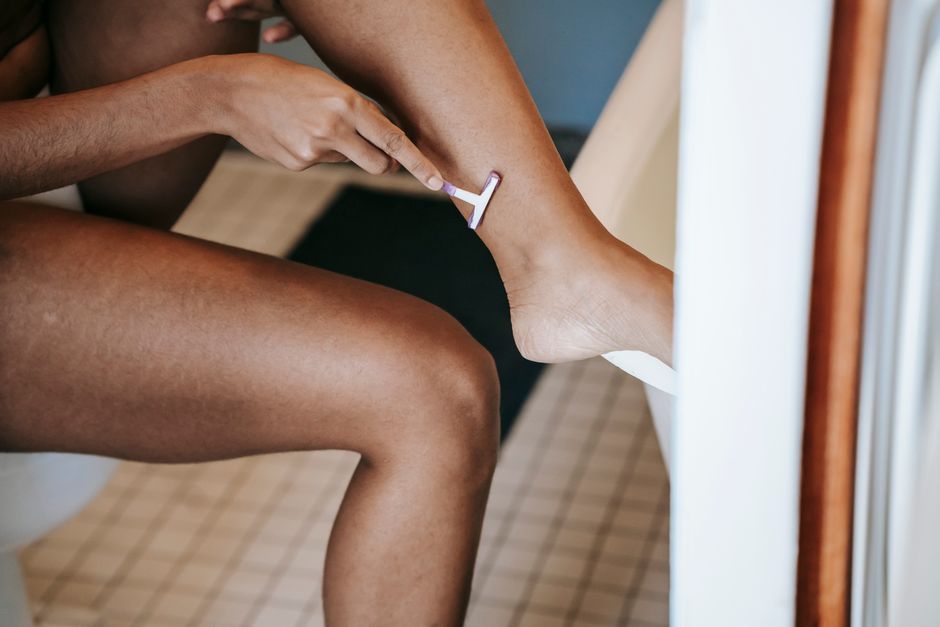
You shave, and an hour later your skin feels like sandpaper. Small, red, itchy bumps have appeared exactly where the razor passed. These are razor bumps, and despite the name, they are not caused by dirt or poor hygiene. They are a mechanical injury to the skin.
What are razor bumps? Razor bumps are small inflamed bumps that form when a sharp hair edge curls back and re-enters the skin, or when hair is cut so short that it grows inward instead of outward. The medical term is pseudofolliculitis barbae. The body treats the trapped hair as a foreign object and responds with redness, swelling, and sometimes pus. They are most common on the face and neck in men who shave, and on the bikini line, underarms, and legs in women.
Razor bumps are not the same as razor burn. Razor burn is surface irritation from friction or dull blades. Razor bumps involve the hair follicle itself. The distinction matters because the two problems respond to different fixes.
What Causes Razor Bumps to Form?
The cause is a hair that re-enters the skin. Two mechanisms produce this.
The first is extrafollicular penetration. After shaving, the hair tip is sharp and angled. As it grows, it can curve back and pierce the skin near the follicle opening. The skin reacts to the hair shaft as if it were a splinter.
The second is transfollicular penetration. Here the hair never exits the follicle at all. It grows sideways inside the follicle wall and becomes trapped beneath the surface.
Both pathways trigger the same inflammatory response. The follicle becomes red, raised, and tender. In darker skin tones, the inflammation often leaves dark spots called post-inflammatory hyperpigmentation that can last for months after the bump itself resolves.
Curly hair is the single biggest risk factor. Hair that grows in a tight coil is far more likely to curve back into the skin than straight hair. This is why razor bumps are especially common in Black men and women, though anyone with curly or coarse hair can get them. Close shaving, shaving against the grain, and pulling the skin taut during shaving all push the hair tip below the skin line, which makes inward growth more likely.
Why Are Razor Bumps More Common in Some People?
Hair texture is the main reason. The tighter the curl, the higher the chance a growing hair bends back toward the skin instead of away from it.
Several other factors raise the odds:
- Shaving very close with a multi-blade razor
- Shaving against the direction of hair growth
- Using a dull blade, which tugs and cuts hair unevenly
- Shaving dry or without adequate lubrication
- Stretching the skin tight while shaving, which lifts the hair before it is cut
- A history of the condition, since repeated episodes can make follicles more prone to it
Men with thick, curly beards are the most affected group. Women who shave the bikini area often develop bumps there for the same mechanical reasons. Waxing, tweezing, and plucking can also cause a related problem called folliculitis, which is inflammation or infection of the follicle itself. The two conditions can look similar and sometimes overlap.
What Do Razor Bumps Look Like?
Razor bumps appear as small, firm, red or dark bumps clustered in the area that was shaved. They typically show up within a day or two of shaving and can range from mildly annoying to genuinely painful.
Signs to expect:
- Redness and swelling around individual follicles
- Itching or a burning sensation
- Bumps that feel firm or hard to the touch
- Sometimes a small amount of pus, which suggests the follicle has become infected
- Darkened patches of skin that remain after the bumps fade, especially in darker skin tones
If the bumps spread, become increasingly painful, or develop into larger boils, that points toward a bacterial infection rather than simple razor bumps. That situation calls for medical evaluation rather than home treatment.





How Are Razor Bumps Treated?
Most razor bumps clear on their own within a few days to a few weeks if you stop irritating the area. The single most effective step is to stop shaving that area until the skin settles.
For mild cases, some clinicians recommend warm compresses to reduce swelling and gentle cleansing to keep the area free of bacteria. Over-the-counter hydrocortisone cream is sometimes used short-term to calm inflammation, though it should not be used on the face for extended periods without medical guidance.
For stubborn or recurring cases, a doctor may recommend prescription treatments. These can include topical retinoids, which help the skin shed cells and reduce the trapping of hairs, or antibiotic creams if a bacterial infection is present. In severe cases, oral antibiotics may be prescribed. Some clinicians also use procedures to release trapped hairs, but this should be done by a medical professional, not at home.
An important note on evidence: no over-the-counter product is proven to cure razor bumps. Products marketed for the condition may soothe the skin or reduce irritation, but the underlying mechanical problem — a hair re-entering the skin — has to be addressed by changing how hair is removed.
How Can You Prevent Razor Bumps?
Prevention comes down to one principle: avoid cutting hair so short that it retracts below the skin surface.
Practical steps that reduce the risk:
- Use a single-blade razor or an electric trimmer set to leave a small amount of stubble
- Shave in the direction of hair growth, not against it
- Wet the hair and skin with warm water first to soften the hair
- Apply a shave gel or cream and let it sit briefly before shaving
- Use light, short strokes and rinse the blade often
- Replace blades when they feel dull or start pulling
- Avoid stretching the skin tight while shaving
- Rinse with cool water and apply a gentle, fragrance-free moisturizer afterward
For people who get razor bumps often, stopping shaving entirely and letting the hair grow out is the most reliable solution. If that is not an option, an electric trimmer that leaves a small amount of stubble is generally gentler than a blade. Depilatory creams dissolve hair at the surface and may cause less mechanical trauma, but they can irritate sensitive skin and should be tested on a small area first.
Laser hair removal is another option. It reduces hair growth over time by targeting the follicle, and some studies indicate it can substantially reduce razor bumps in people with curly hair. The evidence for laser treatment is reasonably strong for hair reduction, though results vary by skin tone, hair color, and the type of laser used. It requires multiple sessions and should be done by a qualified provider.
When Should You See a Doctor?
See a doctor if the bumps are severe, spreading, or not improving after several weeks of home care. Also seek care if you notice increasing pain, large boils, or signs of infection such as warmth, swelling, or pus that keeps coming back.
Razor bumps are not dangerous on their own. But repeated inflammation can cause permanent scarring and long-lasting dark marks, particularly in darker skin tones. In some cases, what looks like razor bumps is actually a different condition, such as folliculitis caused by bacteria or a fungal infection, or a skin condition like keratosis pilaris. A doctor can tell the difference and recommend the right treatment.
One more point worth knowing: the dark spots that follow razor bumps are not scars. They are post-inflammatory hyperpigmentation, and they fade over time once the inflammation stops. Treating the bumps is the first step to preventing the spots.
Frequently Asked Questions
Are razor bumps the same as ingrown hairs?
Razor bumps are a type of ingrown hair, but the term specifically describes the inflamed bumps that form after shaving. Ingrown hairs can also happen after waxing, tweezing, or plucking.
How long do razor bumps take to go away?
Most razor bumps clear within a few days to a few weeks once you stop shaving the area. Dark marks left behind can take several months to fade.
Can I pop razor bumps?
No, popping or squeezing them can push bacteria deeper and make the inflammation worse. It also raises the risk of scarring and infection.
Does shaving make razor bumps worse?
Shaving close to the skin is the main trigger, so continuing to shave the same way will usually keep the problem going. Switching to a trimmer that leaves stubble or stopping shaving entirely is more effective.
