
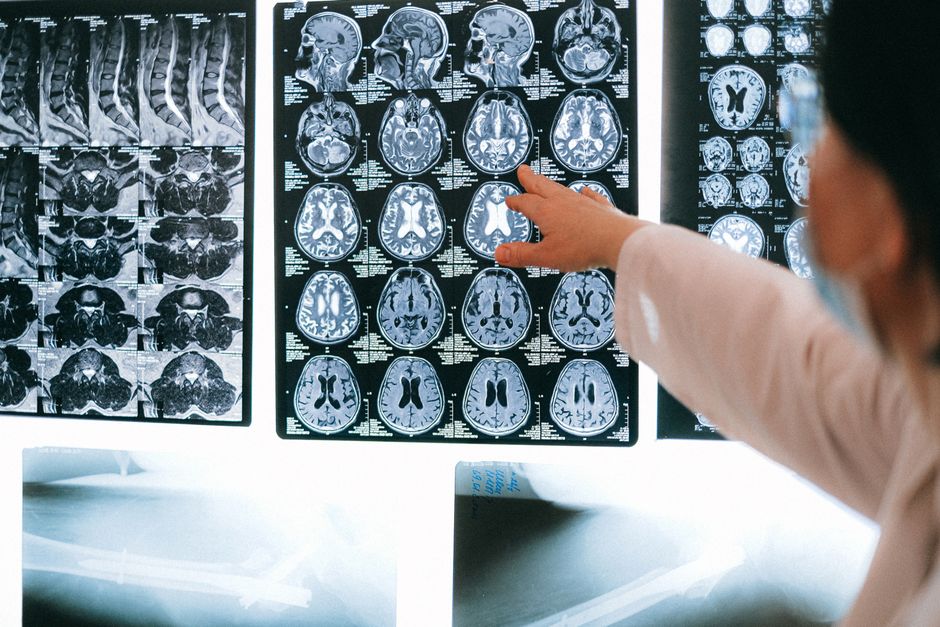
Neuroscience is a strong major for medical school, but it is not a required one. Medical schools accept students from any major, as long as they complete the required prerequisite courses in biology, chemistry, physics, and math. A neuroscience major can be an excellent choice because it covers advanced topics in human biology and critical thinking, but you must still take the standard pre-med courses to be a competitive applicant.
What Do Medical Schools Actually Require?
Medical schools do not have a preferred major. They look for students who have completed specific prerequisite coursework and who demonstrate academic excellence. The core science requirements are the same regardless of your major.
Standard prerequisites typically include one year of biology with lab, one year of general chemistry with lab, one year of organic chemistry with lab, one year of physics with lab, and one year of English or writing-intensive courses. Many schools also require or strongly recommend biochemistry, statistics, and calculus.
These requirements are designed to ensure you have a solid foundation in the sciences that medical education builds upon. Your major is simply the framework in which you complete these courses. A neuroscience major can satisfy many of these requirements naturally, especially biology and biochemistry.
Is Neuroscience A Good Major For Medical School Preparation?
Yes, neuroscience is a good major for medical school preparation because it directly relates to human health and disease. You will study the nervous system in depth, which is relevant to neurology, psychiatry, and many other medical specialties. The coursework trains you to understand complex biological systems, which is valuable in medical school.
The major also develops strong research skills. Many neuroscience programs require a research project or thesis. This experience can help you understand how medical evidence is produced, which is useful for evidence-based practice. Research experience is also an important part of many medical school applications.
However, neuroscience is not the easiest path to medical school. The major is rigorous and demanding. You will take advanced courses in cellular biology, systems physiology, and neuroanatomy. These courses can be challenging, but they prepare you well for the intensity of medical school.
What Are the Potential Downsides of a Neuroscience Major?
The main downside is the risk of a lower GPA. Medical school admissions are highly competitive, and your GPA is one of the most important factors. Neuroscience courses are often graded strictly, and some students who would have excelled in a different major may struggle with the advanced material.
Another consideration is the opportunity cost. Because neuroscience has many required courses, you may have less flexibility to take electives or explore other interests. You also need to fit in the pre-med prerequisites, which can be difficult to schedule around a demanding major.
Some students choose a simpler major, such as biology or chemistry, to protect their GPA while still completing the prerequisites. This is a valid strategy. Medical schools do not give extra credit for a harder major. They evaluate your performance in the context of your coursework, but a 3.8 GPA in biology is generally viewed as favorably as a 3.8 GPA in neuroscience.





How Does Neuroscience Compare to Other Pre-Med Majors?
Biology is the most common pre-med major. It covers the required prerequisites directly and leaves room for electives. Chemistry and biochemistry majors are also common and are viewed well by admissions committees. These majors provide a strong foundation in the physical sciences that underpin medicine.
Neuroscience offers a more specialized focus. It is an excellent choice if you are genuinely interested in the brain and nervous system. This interest can sustain you through the demanding coursework and can be a meaningful theme in your personal statement and interviews.
Humanities and social science majors are also accepted. Students who major in psychology, philosophy, or English can be competitive applicants if they complete the prerequisites and perform well on the MCAT. These majors can demonstrate strong communication skills and a broad perspective, which are valuable in medicine.
The best major is the one in which you can achieve the highest grades while completing the required coursework. Passion for the subject matter often translates into better performance.
What Role Does the MCAT Play?
The Medical College Admission Test, or MCAT, is a standardized exam that medical schools use to compare applicants from different backgrounds. It is a critical part of your application. A strong MCAT score can offset a slightly lower GPA, and a weak score can hurt an otherwise strong application.
The MCAT tests knowledge in biology, general chemistry, organic chemistry, physics, biochemistry, psychology, and sociology. It also tests critical analysis and reasoning skills. A neuroscience major covers much of the biology and psychology content, which can give you an advantage in preparation.
However, the MCAT also includes physics and sociology, which may not be covered in your neuroscience coursework. You will need to study these subjects independently or through a prep course. Your performance on the MCAT is a direct measure of your readiness for medical school, regardless of your major.
Are There Alternative Paths to Medical School?
Some students complete a post-baccalaureate program to finish their prerequisite courses after graduating with a non-science major. These programs are designed for career changers and can be a good option if you decide late that you want to pursue medicine.
Other students choose a combined undergraduate and medical school program, sometimes called a BS-MD program. These programs offer guaranteed admission to medical school if you meet certain requirements during your undergraduate years. They are highly competitive and often require a strong commitment to medicine from the start.
There is no single correct path. The most important factors are your academic performance, your MCAT score, your clinical experience, and your letters of recommendation. Your major is just one part of a larger application.
What Should You Consider Before Choosing Neuroscience?
Think honestly about your academic strengths. If you excel in biology and enjoy studying the brain, neuroscience may be a good fit. If you struggle with advanced science courses, you may want to consider a major that allows you to maintain a higher GPA.
Consider your backup plan. A neuroscience degree is valuable on its own, even if you do not attend medical school. Graduates can work in research, pharmaceuticals, biotechnology, or healthcare administration. This is an important consideration because medical school admission is not guaranteed for anyone.
Talk to current students and advisors in the neuroscience program. Ask about the difficulty of the courses, the availability of research opportunities, and how graduates have fared in the medical school application process. Real-world information from people who have walked this path is more useful than general advice.
What Is the Bottom Line?
Neuroscience is a good major for medical school if you are prepared for the rigor and if you are genuinely interested in the subject. It provides a strong foundation in human biology and research skills that are valuable in medicine. It is not an advantage over other majors, nor is it a disadvantage.
The most important factors in your medical school application are your GPA and MCAT score. Choose a major that allows you to perform at your best while completing the required prerequisites. If that major is neuroscience, pursue it with confidence. If it is something else, you are not at a disadvantage.
Medical schools want well-rounded, capable students who have demonstrated they can handle rigorous academic work. Your major is a means to that end, not the end itself. Focus on your grades, your understanding of the material, and your preparation for the MCAT, and you will be on the right track regardless of your chosen field of study.
Frequently Asked Questions
Does medical school require a neuroscience major?
No, medical school does not require a neuroscience major. You can major in any subject as long as you complete the required prerequisite courses in biology, chemistry, physics, and math.
Is neuroscience harder than biology for pre-med?
Neuroscience can be more challenging because it involves advanced, specialized coursework in addition to the standard pre-med requirements. Biology is often considered more straightforward and leaves more room for electives.
Can I get into medical school with a low GPA in neuroscience?
A low GPA makes any medical school application difficult, regardless of your major. If you are struggling in a neuroscience program, it may be wise to switch to a major where you can achieve higher grades.
What is the best major for medical school admission?
There is no best major. Admissions committees value strong academic performance and a solid MCAT score above the specific field of study. Choose a major you can excel in while completing the required prerequisites.
