
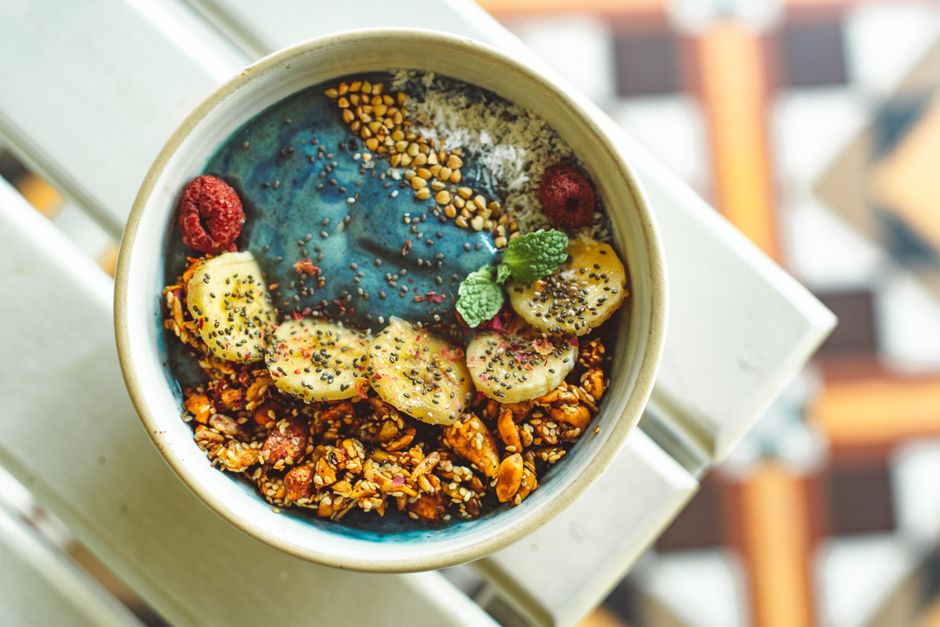
Blue spirulina is a bright blue food coloring and supplement made from a type of blue-green algae called spirulina. It is not a different species from regular spirulina — the blue color comes from a specific pigment extracted from the same algae. That pigment, called phycocyanin, is what gives blue spirulina its distinctive color and most of its potential health benefits.
What Is Blue Spirulina Good For?
Blue spirulina is primarily used as a natural food coloring that adds a vivid blue tone to smoothies, lattes, baked goods, and other foods. Beyond its visual appeal, it contains phycocyanin, a protein-pigment complex with antioxidant and anti-inflammatory properties that have been studied in laboratory and animal research.
The practical benefits fall into two categories. First, it replaces synthetic blue dyes like Blue No. 1 and Blue No. 2 in foods and drinks. Second, it provides a concentrated source of phycocyanin, which some research suggests may help reduce oxidative stress and inflammation in the body. These are the two main reasons people buy blue spirulina powder.
It is important to understand what blue spirulina is not. It is not a complete protein source, not a significant source of vitamins and minerals, and not a weight-loss supplement. The extraction process that creates the blue pigment removes many of the other nutrients found in whole spirulina.
How Is Blue Spirulina Different from Regular Spirulina?
Regular green spirulina is the whole algae, dried and ground into powder. It contains protein, B vitamins, iron, and other nutrients naturally present in the organism. Blue spirulina is an extract — specifically, the phycocyanin fraction separated from the rest of the algae.
This means the nutrient profiles are very different. Whole spirulina contains roughly 60 percent protein by dry weight, along with iron, calcium, and several B vitamins. Blue spirulina extract contains mostly phycocyanin and very little of the other nutrients. If you are looking for nutritional value beyond the blue color, whole spirulina is the more nutrient-dense choice.
The extraction process also affects the taste. Whole spirulina has a distinct earthy, slightly fishy flavor that many people find unpleasant. Blue spirulina is much milder and nearly flavorless, which is one reason it became popular in smoothie bowls and colorful drinks.
What Does the Research Say About Phycocyanin?
Phycocyanin is the compound that gives blue spirulina its color and its biological activity. Research published in journals including the Journal of Applied Phycology and Marine Drugs has examined its antioxidant and anti-inflammatory effects. These studies have mostly been conducted in test tubes and on animals, not in large human trials.
In laboratory studies, phycocyanin has been shown to neutralize free radicals — unstable molecules that can damage cells. It also appears to inhibit certain inflammatory pathways in the body. These mechanisms are well established at the cellular level.
What is less established is whether these effects translate into meaningful health outcomes in humans. Some small human studies have looked at spirulina supplementation for conditions like allergic rhinitis and exercise recovery, but most used whole spirulina rather than the isolated phycocyanin extract. No large clinical trials have confirmed that blue spirulina specifically improves any health condition in humans.
The honest summary: phycocyanin has demonstrable antioxidant and anti-inflammatory activity in laboratory settings. Whether consuming it as blue spirulina powder produces measurable health benefits in people remains unclear.



Is Blue Spirulina Safe to Eat?
Blue spirulina is generally recognized as safe for consumption in food amounts. The U.S. Food and Drug Administration has approved spirulina extract as a color additive for use in foods and beverages. It is widely sold as a food ingredient and supplement.
There are some important caveats. Spirulina can absorb heavy metals and other contaminants from the water where it is grown. Choosing products from reputable manufacturers who test for contaminants reduces this risk. If you are pregnant, breastfeeding, or have an autoimmune condition, talk to your doctor before using spirulina products regularly.
People with phenylketonuria (PKU), a rare genetic disorder, should avoid blue spirulina. Phycocyanin contains phenylalanine, which people with PKU cannot metabolize properly. This is a specific and real safety concern that is not widely known.
Quality matters. Because blue spirulina is a processed extract, the manufacturing process determines its purity. Look for products that state they are tested for heavy metals, microcystins, and other contaminants. Microcystins are toxins produced by some blue-green algae that can cause liver damage if consumed in sufficient amounts.
How Do People Use Blue Spirulina?
Blue spirulina is most commonly sold as a fine powder. The typical use is about one teaspoon added to smoothies, yogurt, plant-based milk, or other foods. It dissolves easily in cold liquids but can lose its color when heated, so it is best added after cooking.
Common uses include:
- Blue smoothie bowls and smoothies
- Colorful lattes and matcha alternatives
- Baked goods like muffins and energy bites
- Homemade gummies and candies
- Protein shakes and post-workout drinks
The amount you use depends on how intense you want the color. A small pinch produces a light blue tint. A full teaspoon creates a deep, vibrant blue. There is no standard clinical dose for blue spirulina because it is primarily used as a food coloring rather than a therapeutic supplement.
If you are using it for potential antioxidant benefits, no clinical guidelines exist for a specific dose. Whole spirulina supplements typically recommend 1 to 3 grams per day, but blue spirulina extract is not standardized the same way. The evidence does not support a specific therapeutic dose.
What Are the Drawbacks and Limitations?
Blue spirulina is more expensive than synthetic food dyes. A small jar of blue spirulina powder can cost several times more than an equivalent amount of artificial coloring. This cost is driven by the extraction process, which requires more processing than simply drying the whole algae.
The color is also not as stable as synthetic dyes. It can fade in bright light, change color in acidic environments, and degrade with heat. Foods made with blue spirulina may look different after a day in the refrigerator than they did when freshly made.
The health claims around blue spirulina deserve scrutiny. Some brands market it as a superfood with extensive health benefits. The evidence does not support most of these claims. It is a source of a biologically active pigment with demonstrated antioxidant properties in the lab, but it is not a cure, treatment, or preventive measure for any disease based on current evidence.
One clarification that often surprises people: blue spirulina does not contain meaningful amounts of vitamin B12, iron, or protein. These nutrients are present in whole spirulina but are largely removed during the extraction process. If you are taking blue spirulina expecting the same nutrition as whole spirulina, you are not getting it.
Should You Choose Blue or Green Spirulina?
The choice depends on your goal. If you want a natural blue food coloring that avoids synthetic dyes, blue spirulina is an excellent option. It provides vivid color with a neutral flavor and a relatively simple ingredient list.
If you want the nutritional benefits associated with spirulina — protein, iron, B vitamins, and other nutrients — choose whole green spirulina. It is less processed, more nutrient-dense, and has more research behind it.
Some people use both. Green spirulina for nutrition and blue spirulina for color. This is a reasonable approach if you enjoy the visual appeal of blue foods and want the nutritional content of the whole algae.
Neither form is a substitute for a balanced diet. Both are supplements and food ingredients, not replacements for vegetables, fruits, whole grains, and other nutrient-dense foods.
What Should You Look for When Buying Blue Spirulina?
Check the ingredient list. Quality blue spirulina should list spirulina extract or phycocyanin as the only ingredient. Products with added fillers, sweeteners, or artificial ingredients are lower quality and offer no benefit.
Look for third-party testing. Reputable brands test for heavy metals, microcystins, and microbial contamination. This information is sometimes listed on the label or the company website. If a brand does not provide testing information, that is a reason for caution.
Consider the source. Spirulina grown in controlled environments with documented water quality standards is safer than spirulina from unmonitored sources. The algae absorbs whatever is in the water, so growing conditions directly affect product safety.
Store blue spirulina properly. Keep the powder in an airtight container away from light and heat. Exposure to light and oxygen degrades phycocyanin and causes the color to fade over time. Properly stored, blue spirulina powder can last for months, but check the expiration date on the package.
Frequently Asked Questions
Does blue spirulina have the same health benefits as green spirulina?
No. Blue spirulina is an extract of phycocyanin and lacks most of the protein, iron, and vitamins found in whole green spirulina. Its main benefit is providing antioxidant phycocyanin without the earthy taste of whole spirulina.
Can blue spirulina replace synthetic food coloring?
Yes, blue spirulina can replace synthetic blue dyes like Blue No. 1 in foods and drinks. It provides a natural blue color, though it is less stable than synthetic dyes and can fade with heat or light.
Is blue spirulina safe for children?
Blue spirulina is generally recognized as safe as a food ingredient, but no specific safety studies have been conducted in children. Talk to your pediatrician before giving spirulina products to young children.
How much blue spirulina should I take daily?
No clinical guidelines exist for a specific daily dose of blue spirulina. Most people use about one teaspoon as a food ingredient, but this amount has not been studied as a therapeutic dose.
