
Protein is one of three macronutrients your body needs in large amounts, alongside carbohydrates and fat. It supplies the amino acids used to build and repair muscle, skin, organs, enzymes, and immune molecules. You get protein from both animal foods like meat, eggs, and dairy, and plant foods like beans, lentils, soy, nuts, and grains. Most adults need somewhere between 10% and 35% of daily calories from protein, which for many people works out to roughly 46 to 56 grams a day at minimum.
What Are Protein Foods and What Do They Do?
Protein foods are any foods that deliver a meaningful amount of amino acids. Your body breaks dietary protein into individual amino acids, then reassembles them into the thousands of proteins it needs to function.
Those jobs are not optional. Protein forms the structural scaffolding of muscle and connective tissue. It makes hemoglobin, which carries oxygen in your blood. It builds antibodies that fight infection. It acts as enzymes that drive nearly every chemical reaction in your cells. Without enough protein, the body starts breaking down its own muscle to get the amino acids it needs.
There are 20 amino acids used to build human proteins. Nine are called essential because your body cannot make them — you have to get them from food. The other 11 are non-essential, meaning your body can produce them. This distinction matters because it shapes how nutrition experts think about food quality.
What Are the Main Types of Protein Foods?
Protein foods fall into two broad groups: animal sources and plant sources. Both can support health, but they differ in their amino acid profiles and in what else they bring to the plate.
Animal sources
Meat, poultry, fish, eggs, and dairy are often called complete proteins because they contain all nine essential amino acids in proportions the body uses efficiently. They are also rich in vitamin B12, heme iron, zinc, and other nutrients that are harder to get from plants.
The trade-off is that some animal proteins — particularly processed meats and fatty cuts of red meat — come packaged with saturated fat and sodium. Fish stands apart because of its omega-3 content, which most other protein foods lack.
Plant sources
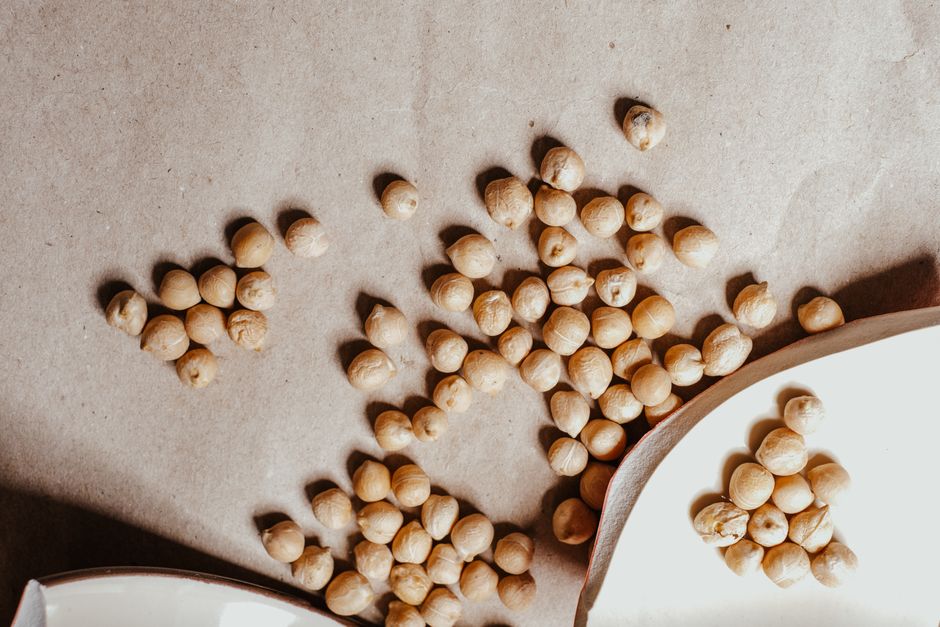
Beans, lentils, chickpeas, soy foods, nuts, seeds, and whole grains all contain protein. Most individual plant foods are lower in one or more essential amino acids, which is why they were once labeled “incomplete.” That framing has softened. If you eat a variety of plant proteins across the day, your body pools the amino acids and gets what it needs.
Soy stands out among plants because it is a complete protein, with an amino acid profile close to that of animal sources. Quinoa and buckwheat are also relatively complete, though they contain less protein per serving than meat or soy.
Which Foods Have the Most Protein?
The table below shows approximate protein content per common serving. Values are based on standard nutrient data and are rounded.
| Food | Serving | Protein (approx.) |
|---|---|---|
| Chicken breast, cooked | 3 oz | 26 g |
| Lean beef, cooked | 3 oz | 22 g |
| Salmon, cooked | 3 oz | 22 g |
| Eggs | 2 large | 12 g |
| Greek yogurt | 1 cup | 20 g |
| Cottage cheese | 1 cup | 24 g |
| Lentils, cooked | 1 cup | 18 g |
| Black beans, cooked | 1 cup | 15 g |
| Tofu, firm | 1/2 cup | 10 g |
| Peanut butter | 2 tbsp | 7 g |
| Almonds | 1 oz | 6 g |
| Quinoa, cooked | 1 cup | 8 g |
Notice that the plant foods on this list are not far behind in absolute terms — a cup of lentils has about as much protein as a small steak. The bigger difference is that plant proteins come with fiber and less saturated fat, while animal proteins tend to be more concentrated per bite.
How Much Protein Do You Actually Need?
The official Recommended Dietary Allowance is 0.8 grams of protein per kilogram of body weight per day for healthy adults. For a 150-pound person, that is about 54 grams. This is the amount needed to prevent deficiency, not necessarily the amount that is optimal for every goal.
Several factors shift the target upward:
- Older adults. Muscle mass declines with age, and some research suggests higher protein intake helps slow that loss.
- Strength training. People building muscle often aim higher than the RDA, and sports nutrition guidance commonly cites a range rather than a single number.
- Pregnancy and breastfeeding. Needs rise during these periods, and specific targets should come from a clinician rather than a general article.
- Illness or recovery from injury. Protein needs can increase substantially during healing.
What is less clear is the upper end. Claims that very high protein intakes are necessary for most people are not well supported by evidence. The RDA is a floor, not a ceiling, but the idea that everyone needs to double it is marketing more than science.
Does Protein Timing Matter?
For most people, no. Total daily intake matters more than when you eat it. The body maintains a pool of amino acids and draws on it as needed throughout the day.
There is one context where timing gets more attention: resistance training. Some research indicates that eating protein in the hours around a workout may support muscle repair slightly better than eating it far outside that window. But the effect is small compared with getting enough protein overall, and the “anabolic window” idea — that you must eat within 30 minutes or lose your gains — is overstated in popular fitness culture.
A more useful framing is to spread protein across meals rather than loading it all at dinner. Some evidence suggests that distributing intake relatively evenly supports muscle maintenance better than concentrating it, particularly in older adults.
Is Plant Protein as Good as Animal Protein?
For general health, plant protein sources perform well. Research has linked diets higher in plant protein to lower risks of several chronic conditions, though it is difficult to separate the protein itself from the fiber, vitamins, and lower saturated fat that come with it.
For muscle building specifically, plant proteins can work, but they require more attention. Plant proteins are generally lower in leucine, an amino acid that triggers muscle protein synthesis. People eating only plant proteins may need to eat somewhat more total protein to get the same effect, and combining sources — beans with rice, for example — helps fill gaps in the amino acid profile.
One practical point often missed: plant proteins also come with compounds called antinutrients, such as phytates, that can reduce absorption of some minerals. This does not make plant proteins inferior, but it is a reason to eat a varied diet rather than relying on a single source.
What Happens If You Do Not Get Enough Protein?
True protein deficiency is rare in the United States, but it does occur. When intake falls short, the body pulls amino acids from skeletal muscle, which can lead to muscle wasting, weakness, and slower wound healing. Severe deficiency can also cause swelling, hair changes, and impaired immune function.
Milder shortfalls are more common than most people realize, especially among older adults, people with restrictive diets, and those recovering from illness. Symptoms are subtle — fatigue, slower recovery, loss of strength — and easy to attribute to something else.
On the other side, very high protein intakes have been studied for kidney effects. For people with healthy kidneys, current evidence does not show harm from higher intakes. For people with existing kidney disease, protein restriction is often part of clinical management, and intake should be set by a doctor.
How Can You Add More Protein to Your Day?
Small changes add up. Adding a scoop of Greek yogurt to breakfast, choosing lentils instead of white rice as a side, or keeping hard-boiled eggs on hand for snacks can shift daily intake without a major overhaul.
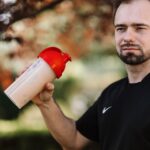
For people who struggle to hit their target through food alone, protein powders and shakes are a practical option. They are not magic — they are just convenient — and whole foods generally provide more of the other nutrients that matter.
The bigger point is that protein needs are individual. Age, activity level, health status, and body size all change the number. A registered dietitian can help you find a target that fits your situation rather than a one-size-fits-all figure.
Frequently Asked Questions
How much protein do I need per day?
The RDA for healthy adults is 0.8 grams per kilogram of body weight, about 54 grams for a 150-pound person. Needs rise with age, activity level, pregnancy, and illness.
What are the best protein foods?
Animal sources like chicken, fish, eggs, and dairy are complete proteins, while soy, lentils, and beans are strong plant options. The best choice depends on your overall diet and health goals.
Can you get enough protein from plants only?
Yes, but it takes planning. Plant proteins are lower in some essential amino acids, so eating a variety across the day helps fill the gaps.
Is too much protein bad for your kidneys?
For people with healthy kidneys, current evidence does not show harm from higher protein intakes. For those with existing kidney disease, protein intake should be set by a doctor.
