
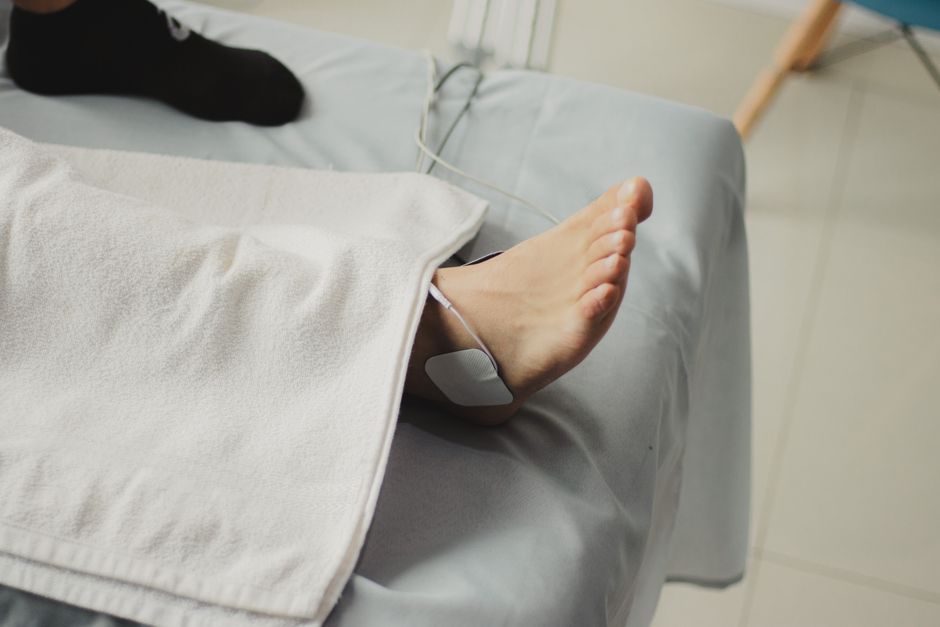
Peripheral neuropathies are a group of conditions that damage the peripheral nerves — the vast network of nerves outside your brain and spinal cord. These nerves carry signals between your central nervous system and the rest of your body, controlling sensation, muscle movement, and automatic functions like blood pressure and digestion. When they are damaged, that communication breaks down, leading to symptoms that range from tingling and numbness to weakness and pain. It is not a single disease. It is an umbrella term covering more than 100 distinct conditions, each with different causes and outcomes.
What Are Peripheral Neuropathies?
The peripheral nervous system includes every nerve in your body except the brain and spinal cord. These nerves fall into three broad categories, and knowing which type is affected helps explain why symptoms vary so much from person to person.
- Sensory nerves carry information about touch, temperature, vibration, and pain from your body to your brain.
- Motor nerves carry commands from your brain and spinal cord to your muscles, enabling movement.
- Autonomic nerves control involuntary functions like heart rate, blood pressure, sweating, digestion, and bladder control.
Most peripheral neuropathies affect sensory nerves first, which is why numbness and tingling in the feet and hands are the most common early complaints. Some conditions damage motor nerves predominantly, causing weakness. Others target autonomic nerves, producing symptoms like dizziness on standing or digestive problems. Many affect a combination.
The pattern of damage matters too. Some neuropathies affect many nerves throughout the body in a symmetric pattern — this is called polyneuropathy and is the most common form. Others damage a single nerve, called mononeuropathy. Carpal tunnel syndrome is a familiar example of a mononeuropathy. When multiple individual nerves are affected in different areas, it is called mononeuritis multiplex.
What Causes Peripheral Neuropathy?
Diabetes is the most common cause in the United States. Chronically high blood sugar damages nerves over time, and roughly half of people with diabetes eventually develop some degree of peripheral neuropathy. The longer someone has diabetes and the less controlled their blood sugar, the higher the risk. Prediabetes can also cause nerve damage, though this is less widely recognized.
Beyond diabetes, causes include:
- Vitamin deficiencies. Low levels of vitamin B12, vitamin B6, vitamin E, or copper can damage peripheral nerves. B12 deficiency is particularly common in older adults and people who follow strict vegan diets without supplementation.
- Alcohol use disorder. Heavy, long-term alcohol use damages nerves directly and also contributes through poor nutrition and vitamin deficiencies.
- Kidney disease. When kidneys fail to filter waste properly, toxins build up in the blood and can injure nerves.
- Hypothyroidism. An underactive thyroid can cause peripheral nerve damage, though this is less common than other causes.
- Infections. HIV, hepatitis C, Lyme disease, and shingles can all affect peripheral nerves.
- Autoimmune conditions. Guillain-Barré syndrome, chronic inflammatory demyelinating polyneuropathy, lupus, and rheumatoid arthritis can all attack peripheral nerves.
- Medications. Certain chemotherapy drugs, some HIV medications, and a few antibiotics can cause nerve damage as a side effect.
- Inherited conditions. Charcot-Marie-Tooth disease is the most common inherited neuropathy.
- Physical injury or pressure. Trauma, repetitive strain, or prolonged compression can damage individual nerves.
In a significant number of cases, no cause is ever identified. This is called idiopathic peripheral neuropathy. Some estimates suggest that up to 30% of cases fall into this category, though the exact proportion varies depending on how thoroughly the workup is done.
What Does Peripheral Neuropathy Feel Like?
Symptoms depend on which nerves are damaged and how severe the damage is. The most common early symptoms are in the feet and hands, often described as tingling, prickling, or a “pins and needles” sensation. Some people describe it as wearing an invisible sock or glove.
As damage progresses, numbness can set in. This numbness is not just annoying — it is dangerous. People who cannot feel their feet are more likely to develop foot ulcers, infections, and injuries they do not notice until serious damage is done. This is why foot care is a major focus in diabetes management.
Pain is another common symptom. Neuropathic pain is often described as burning, shooting, stabbing, or electric shock-like. It can be constant or come in bursts. Some people experience extreme sensitivity to things that should not hurt, like the weight of a bedsheet. This is called allodynia.
Motor symptoms include weakness, clumsiness, and difficulty with fine tasks like buttoning a shirt or gripping small objects. Muscle wasting can occur in severe cases. Autonomic symptoms include dizziness when standing up, constipation, diarrhea, excessive sweating or inability to sweat, and bladder problems.
An important distinction: peripheral neuropathy symptoms typically start in the longest nerves first. In the feet, that means symptoms often begin in the toes and soles before moving upward. This “stocking-glove” pattern is a hallmark of many polyneuropathies.





How Is Peripheral Neuropathy Diagnosed?
Diagnosis starts with a medical history and physical exam. A doctor will ask about symptoms, when they started, whether they are getting worse, and whether there are any potential causes like diabetes, alcohol use, or family history. During the exam, they may test reflexes, muscle strength, and the ability to feel vibration, temperature, and light touch.
If peripheral neuropathy is suspected, several tests can help confirm the diagnosis and identify the cause:
- Blood tests to check blood sugar, HbA1c, vitamin B12, thyroid function, kidney function, and markers of autoimmune disease.
- Nerve conduction studies measure how fast electrical signals travel along nerves. Damaged nerves conduct signals more slowly.
- Electromyography (EMG) measures electrical activity in muscles and can distinguish nerve damage from muscle disease.
- Nerve biopsy is rarely needed but can provide information in unusual cases.
- Skin biopsy can assess small nerve fibers that nerve conduction studies may miss.
Identifying the underlying cause is the most important part of the workup. Treatment depends entirely on what is driving the nerve damage. In some cases, treating the cause can stop or slow progression.
Can Peripheral Neuropathy Be Treated?
The honest answer is that treatment depends heavily on the cause. When an underlying condition can be corrected — such as a vitamin deficiency or hypothyroidism — nerve damage may improve, especially if treated early. When diabetes is the cause, tight blood sugar control can slow progression and reduce symptoms, but it rarely reverses existing damage.
For many people, the goal of treatment is managing symptoms and preventing further damage. This includes:
- Treating the underlying cause when possible — blood sugar control, vitamin supplementation, stopping alcohol, or adjusting medications.
- Pain management. Certain antidepressants (like duloxetine and amitriptyline), anticonvulsants (like gabapentin and pregabalin), and topical treatments (like lidocaine patches or capsaicin cream) are commonly prescribed for neuropathic pain. These medications do not repair nerves. They reduce pain signals.
- Physical therapy to maintain strength, balance, and mobility. This is particularly important for preventing falls.
- Foot care. Daily inspection of feet, proper footwear, and regular podiatry visits can prevent ulcers and amputations in people with diabetes-related neuropathy.
No treatment currently exists that reliably reverses peripheral neuropathy in all cases. Some research suggests that alpha-lipoic acid, a supplement, may reduce symptoms in diabetic neuropathy, but study results have been mixed and it is not a standard treatment. Other supplements marketed for nerve health have even less evidence. No large human trials have confirmed that any supplement reverses nerve damage.
What Is the Outlook for Someone With Peripheral Neuropathy?
The outlook varies widely depending on the cause, how much damage has occurred, and whether the underlying condition can be treated. Some neuropathies are temporary and resolve on their own, like many cases of Guillain-Barré syndrome. Others are progressive and chronic, like diabetic neuropathy.
What is generally true is that early diagnosis and treatment of the underlying cause offer the best chance of slowing or stopping progression. Once nerve fibers are severely damaged, they do not regenerate well. The peripheral nervous system does have some capacity for repair, but it is limited and slow.
Living with peripheral neuropathy often means adapting. People with balance problems may need assistive devices. Those with numbness in their feet need to be vigilant about foot inspection. Those with pain may need to try several medications before finding one that helps. The condition is manageable, but it requires ongoing attention.
Can Peripheral Neuropathy Be Prevented?
Some causes are preventable. The most important steps are controlling blood sugar if you have diabetes or prediabetes, limiting alcohol intake, eating a balanced diet that includes adequate B vitamins, and avoiding repetitive movements or prolonged pressure that can damage individual nerves.
For people with diabetes, the evidence is clear: better blood sugar control reduces the risk of developing neuropathy and slows its progression. Regular foot exams and proper foot care can prevent the most serious complications.
What cannot be prevented is neuropathy caused by genetics, autoimmune conditions, or certain infections. In those cases, early detection and management are the best available strategies. Anyone experiencing persistent tingling, numbness, weakness, or pain in their hands or feet should see a doctor. These symptoms are not a normal part of aging, and they should not be ignored.
Frequently Asked Questions
Is peripheral neuropathy reversible?
Some cases are reversible if the underlying cause is identified and treated early, such as a vitamin deficiency or medication side effect. However, when nerve damage is severe or long-standing, it is often permanent and treatment focuses on managing symptoms and preventing further damage.
What is the most common cause of peripheral neuropathy?
Diabetes is the most common cause in the United States, affecting roughly half of people with the condition to some degree. Prediabetes, vitamin deficiencies, and alcohol use disorder are other frequent causes.
Can peripheral neuropathy affect the whole body?
Peripheral neuropathy typically starts in the feet and hands and can spread upward in a stocking-glove pattern. Autonomic neuropathy can affect internal organs and body functions like blood pressure, digestion, and sweating.
When should I see a doctor about tingling in my feet?
You should see a doctor if tingling, numbness, or pain in your feet persists, worsens, or interferes with daily activities. Early evaluation can identify treatable causes and may prevent further nerve damage.
