
Menopause is not a single moment. It is a transition that unfolds over years, and for many women, it feels like their body has changed the rules without telling them. Hot flashes, disrupted sleep, mood shifts, and a sense of physical unpredictability are common. The experience is highly individual, but understanding what is happening in your body can make the transition far less confusing.
What Does the Menopause Feel Like Physically?
The physical sensations of menopause vary widely. Some women notice only mild changes. Others find the symptoms disruptive to daily life. The root cause is the decline in estrogen and progesterone, hormones that influence far more than reproduction.
Hot flashes are the most recognized symptom. A hot flash feels like a sudden wave of heat that spreads from the chest to the face and neck. It can trigger sweating, a rapid heartbeat, and sometimes a feeling of intense anxiety. Night sweats are simply hot flashes that happen during sleep, and they are a leading cause of sleep disruption in this stage of life.
Vaginal dryness is another common physical change. Estrogen helps maintain the thickness and elasticity of vaginal tissues. As levels drop, tissues can become thinner, drier, and less flexible. This can make intercourse uncomfortable and may increase the risk of urinary tract infections.
Joint pain and muscle aches are reported by many women during menopause. Research suggests estrogen has anti-inflammatory properties, and its decline may contribute to joint discomfort. This is not arthritis, but it can feel similar. Some women also notice changes in their skin, including dryness and reduced elasticity.
How Does Menopause Affect Sleep and Energy?
Sleep problems during menopause are common, and they are not just about night sweats. Even women who do not experience severe hot flashes often report trouble falling asleep or staying asleep. The hormonal shifts themselves can affect sleep architecture, the natural cycle of sleep stages.
Waking up drenched in sweat is a clear disruptor. The body’s temperature regulation goes haywire, and the sudden heat triggers a stress response that makes it hard to return to sleep. But even without sweating, many women wake up at the same time every night, often between 2 and 4 a.m., and struggle to drift back off.
Daytime fatigue follows naturally. Poor sleep quality leaves you feeling drained, and the fatigue can amplify other symptoms. Low energy makes mood swings harder to manage and reduces your tolerance for everyday stress. This is a physical pattern, not a character flaw.
What Emotional and Mental Changes Happen During Menopause?
Mood changes are real and biologically driven. The same hormonal fluctuations that cause physical symptoms also affect brain chemistry. Estrogen influences serotonin and other neurotransmitters that regulate mood. When estrogen levels fall, some women experience irritability, sadness, or anxiety that feels out of proportion to their circumstances.
Brain fog is a frequently reported symptom. Women describe forgetting words, losing their train of thought, or feeling like their thinking is slower than usual. Some research suggests this is linked to the effect of estrogen on cognitive function, particularly memory and attention. The good news is that for most women, these cognitive changes are temporary and improve after the transition is complete.
It is important to distinguish between mood changes and clinical depression. Menopause can increase the risk of depressive symptoms, but it does not cause major depression in everyone. If you feel hopeless, lose interest in activities you used to enjoy, or have thoughts of self-harm, seek professional help. These are signs of depression, not just menopause.





How Long Does the Menopause Transition Last?
The transition is called perimenopause, and it can last anywhere from a few years to over a decade. Perimenopause begins when hormone levels start to fluctuate, often in a woman’s mid-40s, and ends at the final menstrual period. Menopause itself is defined as the point one year after your last period.
Most women enter perimenopause between ages 45 and 55. The average age of natural menopause in the United States is 51. But the range is wide. Some women experience symptoms for only a few years. Others deal with them for 10 years or more.
Postmenopause refers to the years after the final period. Some symptoms, like hot flashes, often improve or disappear during this time. Others, like vaginal dryness, may persist or even worsen without treatment. The experience is not linear. Symptoms can come and go, and severity fluctuates from month to month.
What Are the Treatment Options for Menopause Symptoms?
Menopause hormone therapy, often called MHT or HRT, is the most effective treatment for moderate to severe hot flashes and night sweats. It works by replacing some of the estrogen the body no longer produces. For women with an intact uterus, estrogen is combined with progesterone to protect the uterine lining.
Hormone therapy is not right for everyone. Women with a history of breast cancer, blood clots, or certain liver diseases may not be candidates. The decision is highly individual and should be made with a healthcare provider who knows your medical history. Current guidelines generally recommend using the lowest effective dose for the shortest time needed.
Non-hormonal prescription options exist for women who cannot or prefer not to use hormones. Certain antidepressants, particularly SSRIs and SNRIs, have been shown to reduce hot flashes. Gabapentin, a medication originally developed for seizures, is also effective for some women. These options are not as effective as hormone therapy on average, but they can provide meaningful relief.
Vaginal estrogen, available as a cream, tablet, or ring, treats vaginal dryness and urinary symptoms directly. It is absorbed locally and has minimal effect on the rest of the body. This makes it a safe option for many women who cannot use systemic hormone therapy.
What Lifestyle Changes Actually Help With Menopause Symptoms?
Certain lifestyle adjustments can reduce symptom severity, though none are cures. Dressing in layers allows you to remove clothing quickly when a hot flash starts. Keeping your bedroom cool and using breathable bedding can reduce night sweats.
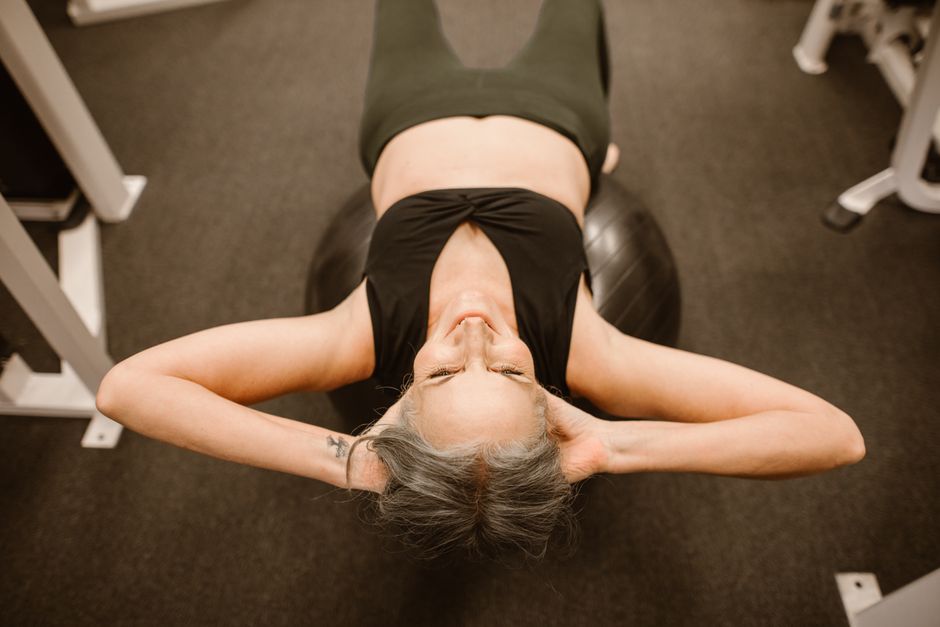
Regular physical activity helps with mood, sleep, and weight management. Weight gain during menopause is common, partly due to hormonal changes and partly due to age-related slowing of metabolism. Strength training is particularly valuable because it helps maintain bone density, which declines after menopause.
Dietary changes can help some women. Limiting caffeine and alcohol, especially in the evening, may improve sleep quality. Some women find that spicy foods trigger hot flashes. Keeping a symptom diary can help you identify your personal triggers.
Mind-body practices like cognitive behavioral therapy and mindfulness have shown benefit for mood and sleep in some studies. These approaches do not stop hot flashes, but they can reduce the distress they cause. Relaxation techniques, including paced breathing, may shorten the duration of a hot flash when one starts.
When Should You See a Doctor About Menopause Symptoms?
You do not need to suffer in silence. If symptoms are interfering with your sleep, work, or relationships, it is reasonable to discuss them with a healthcare provider. There are effective treatments, and you deserve to know your options.
Certain symptoms warrant prompt medical attention. Heavy or prolonged bleeding, bleeding after a long gap between periods, or bleeding after sex should always be evaluated. These are not typical menopause symptoms and may indicate other conditions.
If you are under 45 and experiencing menopausal symptoms, see a doctor. Early menopause, defined as menopause before age 45, carries additional health considerations. Premature menopause, before age 40, requires medical management because the loss of estrogen at a young age has significant health implications.
Frequently Asked Questions
Can menopause cause anxiety that I have never experienced before?
Yes, hormonal changes during perimenopause can trigger new or worsening anxiety. The fluctuation of estrogen affects brain chemicals that regulate mood, and this can produce anxiety even in women with no prior history.
Is it normal to gain weight during menopause?
Weight gain is common during menopause, particularly around the abdomen. Hormonal changes, aging, and lifestyle factors all contribute, but this weight gain is not inevitable and can be managed with diet and exercise.
How do I know if I am in perimenopause or menopause?
Perimenopause is the transition period marked by irregular periods and symptoms, while menopause is officially diagnosed one year after your final period. If your periods are becoming irregular and you are in your 40s, you are likely in perimenopause.
Can I get pregnant during perimenopause?
Yes, you can still get pregnant during perimenopause. Ovulation becomes unpredictable but does not stop entirely until menopause. If pregnancy is not desired, continue using contraception until you have gone 12 months without a period.
