
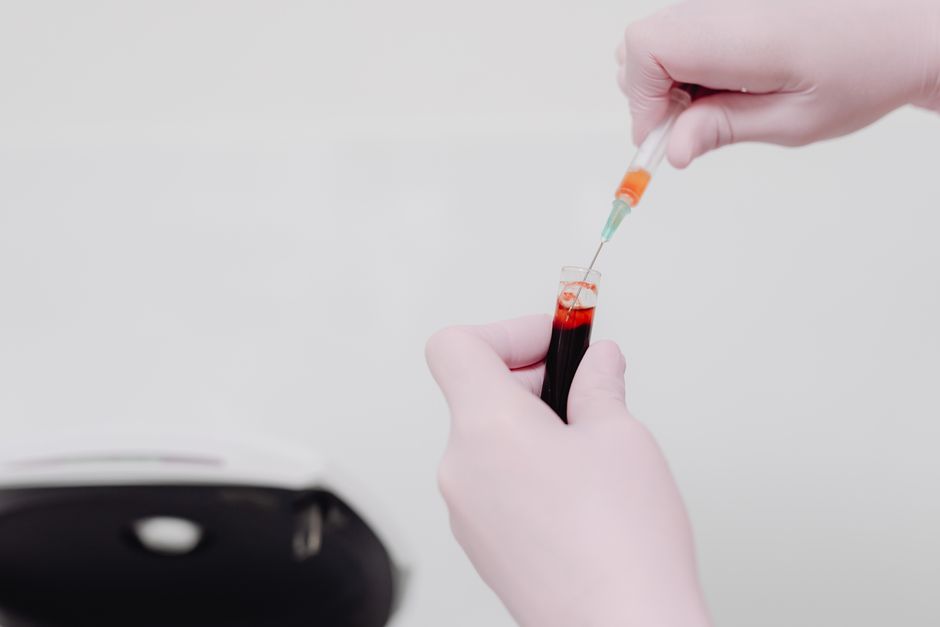
Two of the oldest and most widely used blood tests in medicine measure inflammation in very different ways. The ESR, or erythrocyte sedimentation rate, and the CRP, or C-reactive protein, are both blood tests that can show whether inflammation is present somewhere in the body. They are useful screening tools, but neither one tells you where the inflammation is or what is causing it.
What Are ESR and CRP Blood Tests For Inflammation?
ESR and CRP are two blood tests that detect inflammation. They measure different things, and each has strengths and limits. Doctors often order them together because the results can complement each other.
The ESR measures how fast red blood cells settle to the bottom of a tall, thin tube in one hour. When inflammation is present, certain proteins in the blood cause red cells to clump and fall faster. The result is reported in millimeters per hour (mm/hr).
The CRP measures the amount of C-reactive protein in the blood. CRP is made by the liver in response to inflammation. The result is usually reported in milligrams per liter (mg/L) or milligrams per deciliter (mg/dL).
Both tests are indirect. They do not detect inflammation itself. They detect the body’s response to it.
How Does Each Test Work in the Body?
When the immune system detects injury, infection, or tissue damage, it releases signaling molecules called cytokines. These signals travel to the liver and trigger it to produce acute-phase proteins. CRP is one of those proteins. Its level can rise within hours of an inflammatory trigger.
ESR works differently. It depends on the balance of proteins in the blood, especially fibrinogen and immunoglobulins. When those proteins increase, red blood cells stick together more easily and settle faster. This change happens more slowly than the CRP rise.
That timing difference matters. CRP tends to rise faster and fall faster. ESR tends to rise more slowly and stay elevated longer. A doctor may use both to get a fuller picture of what is happening over time.
What Do Normal and High Results Mean?
Normal ranges vary by laboratory, age, and sex. There is no single universal cutoff. A result must always be interpreted using the reference range provided by the lab that ran the test.
For CRP, many labs use a reference range with an upper limit around 10 mg/L, though this varies. For ESR, typical upper limits are roughly 15 to 20 mm/hr for men and 20 to 30 mm/hr for women, but these numbers shift with age and with the specific lab method used.
Higher-than-normal results suggest inflammation is present. But an elevated result does not identify the cause. Many conditions can raise ESR and CRP:
- Bacterial infections
- Some viral infections
- Autoimmune conditions such as rheumatoid arthritis and lupus
- Tissue injury, including surgery or trauma
- Some cancers
- Certain chronic diseases
Mild elevations are common and often not meaningful on their own. A slightly high CRP in an otherwise healthy person may reflect a minor infection, a recent injury, or a temporary immune response.
Very high results are more concerning. CRP levels that rise sharply often point toward a significant infection or inflammatory event. But even then, the test alone cannot say which one.




Why Would a Doctor Order These Tests?
Doctors order ESR and CRP for several reasons. They may be used to:
- Check for hidden inflammation when symptoms are vague
- Monitor a known inflammatory condition over time
- Help distinguish between certain types of disease
- Track how well a treatment is working
- Watch for complications after surgery or during serious illness
These tests are also often part of a broader workup. They are rarely used alone. A doctor will consider symptoms, physical exam findings, and other lab results before drawing conclusions.
One important point: these tests can be normal even when inflammation is present. Some conditions do not raise ESR or CRP. And some people have elevated results for reasons unrelated to any active disease. This is why the tests are tools, not answers.
What Can Cause a High ESR or CRP?
Many different conditions can raise these markers. The list is long because inflammation is a shared response to many problems.
Infection is one of the most common causes. Bacterial infections tend to raise CRP more than viral ones. ESR can rise with both.
Autoimmune and inflammatory diseases often cause ongoing elevations. Rheumatoid arthritis, polymyalgia rheumatica, and inflammatory bowel disease are examples. In these conditions, the tests help track disease activity, though they do not always match symptom severity.
Tissue damage from surgery, injury, or a heart attack can raise both markers. The rise reflects the body’s repair response.
Some cancers, especially those involving the blood or lymph system, can cause elevated results. This does not mean a high ESR or CRP indicates cancer. Most elevations have other causes.
Pregnancy can raise ESR naturally. CRP usually stays closer to normal unless there is an infection.
Age, anemia, kidney disease, and obesity can also affect ESR and CRP levels. These factors do not mean disease is present, but they can complicate interpretation.
What Are the Limitations of These Tests?
Neither test is specific. That is their main weakness. They tell you inflammation may be present but not where it is or why.
ESR is affected by many things beyond inflammation. Anemia, pregnancy, older age, and certain medications can raise it. A very high ESR can also occur with a condition called monoclonal gammopathy, which involves abnormal proteins in the blood.
CRP is more directly tied to inflammation, but it still lacks specificity. A high CRP could come from a minor cold or a serious infection. The number alone cannot tell the difference.
Neither test is a substitute for imaging, biopsy, or a full clinical evaluation. They are starting points, not endpoints.
How Do ESR and CRP Compare?
| Feature | ESR | CRP |
|---|---|---|
| What it measures | Rate red blood cells settle | Level of C-reactive protein |
| How fast it changes | Rises and falls slowly | Rises and falls quickly |
| Typical unit | mm/hr | mg/L or mg/dL |
| Main strength | Detects slow, chronic inflammation | Detects acute inflammation early |
| Main weakness | Affected by many non-inflammatory factors | Less affected by non-inflammatory factors but still nonspecific |
Doctors often order both because one may be elevated when the other is not. Together they offer a broader view, though still not a diagnosis.
When Should You Be Concerned About Your Results?
A single abnormal result is not a reason to panic. Many temporary and harmless factors can raise ESR or CRP. A recent cold, a minor injury, or even a strenuous workout can affect results.
What matters is the pattern and the context. A result that is mildly high and stable over time is often less concerning than one that rises sharply. A result that stays elevated without an obvious cause may need further investigation.
Your doctor will consider your symptoms, your medical history, and other test results. If you have questions about your ESR or CRP, ask your doctor what the number means for you specifically. The same value can mean different things in different people.
There is no home test for ESR or CRP that replaces a lab draw. Some direct-to-consumer tests exist, but their accuracy and usefulness vary. No major medical organization recommends self-testing for these markers without a clinical reason.
Frequently Asked Questions
What does it mean if my ESR is high but my CRP is normal?
A high ESR with a normal CRP can happen, especially in chronic conditions that raise ESR slowly. It may also reflect non-inflammatory factors like anemia or age. Your doctor will interpret the result alongside your symptoms and other tests.
Can stress raise ESR or CRP levels?
Psychological stress has been linked to mild increases in CRP in some studies, but the effect is generally small. It is not a common cause of significantly elevated results. Physical stress like surgery or injury has a much stronger effect.
Do ESR and CRP tests diagnose specific diseases?
No, these tests only show that inflammation may be present. They cannot identify the cause or location of inflammation. Diagnosis requires additional testing based on your symptoms and clinical picture.
How often should ESR and CRP be checked?
There is no standard schedule for everyone. Frequency depends on why the tests were ordered and what condition is being monitored. Your doctor will decide how often to repeat them based on your situation.
