
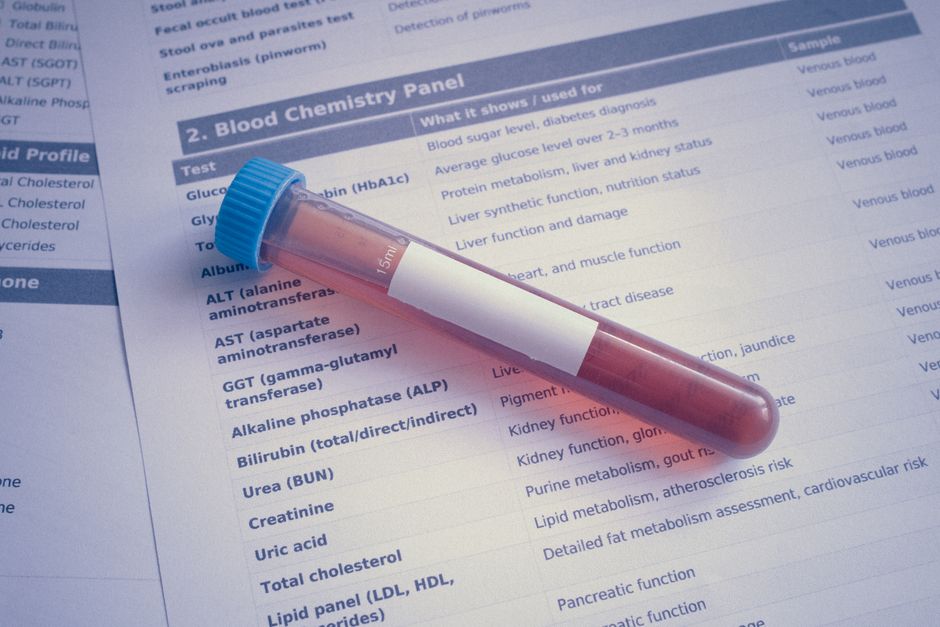
A fever is a sign that your immune system is fighting something. But it does not tell you what that something is. Blood tests help find the cause by looking for signs of infection, inflammation, or other conditions that trigger a fever. Depending on what your doctor suspects, specific blood tests can point to a bacterial infection, a virus, or a non-infectious cause like an autoimmune condition.
What Blood Tests Reveal About The Cause Of A Fever
When you have a fever, a blood test can help your doctor see how your body is responding. The most common first step is a complete blood count, often called a CBC. This test measures red blood cells, white blood cells, and platelets. White blood cell counts are especially useful because they often rise when you have an infection.
A high white blood cell count with many neutrophils usually points to a bacterial infection. A low white blood cell count or an increase in lymphocytes may suggest a viral infection. But these patterns are not perfect. Some bacterial infections cause normal or low counts, and some viral infections cause high counts.
Blood tests also measure markers of inflammation. C-reactive protein, or CRP, and the erythrocyte sedimentation rate, or ESR, are two common ones. High levels mean your body has inflammation somewhere, but they do not say where or why. These tests are helpful for tracking whether an infection is getting better or worse.
Blood cultures are another important tool. A small sample of blood is placed in a special container to see if bacteria grow. If bacteria do grow, the lab can identify the exact type. This helps doctors choose the right antibiotic. Blood cultures are most useful for serious fevers, especially those that come with chills, rapid breathing, or signs of sepsis.
Which Blood Tests Are Most Useful for a Fever?
No single blood test explains every fever. Doctors choose tests based on your symptoms, your medical history, and how long the fever has lasted. But several tests are used regularly in fever workups.
- Complete blood count (CBC): Looks at white cells, red cells, and platelets. Helps separate bacterial from viral infections.
- C-reactive protein (CRP): A protein made by the liver that rises quickly with inflammation. Useful for tracking severity.
- Erythrocyte sedimentation rate (ESR): Measures how fast red blood cells settle in a tube. Slower settling means more inflammation.
- Blood culture: Attempts to grow bacteria from your blood. Confirms bloodstream infections.
- Procalcitonin: A newer marker that tends to rise more with bacterial infections than viral ones. Some hospitals use it to guide antibiotic decisions.
- Liver and kidney function tests: Fevers can come from organ infections. These tests check for damage or inflammation in the liver or kidneys.
Procalcitonin deserves special attention. Research has shown it rises significantly in serious bacterial infections like sepsis. It stays low in most viral infections. Some studies suggest procalcitonin helps doctors decide when antibiotics are truly needed. However, it is not perfect. Early bacterial infections may not raise procalcitonin yet, and some non-infectious conditions can raise it too.
What Can a Complete Blood Count Tell Your Doctor?
The CBC is often the first test ordered when a fever has no obvious cause. It gives a snapshot of your blood cells in under an hour. The white blood cell differential is the most informative part for fever evaluation.
Neutrophils are the most common white blood cells. They fight bacteria and fungi. When your body produces more neutrophils than normal, doctors call this a left shift because of how it appears on older laboratory reports. A left shift strongly suggests a bacterial infection.
Lymphocytes are the white blood cells that fight viruses. Many viral infections cause lymphocytosis, which means high lymphocyte levels. But some viruses, like HIV in its early stages, can cause low lymphocyte counts.
Monocytes rise in certain infections like tuberculosis and some parasitic diseases. Eosinophils rise with allergic reactions and some parasitic infections. Each pattern gives your doctor clues, but none is a guaranteed diagnosis on its own.
A CBC also shows your hemoglobin and platelet levels. Very low platelets can occur with serious infections like dengue fever or with sepsis. Low hemoglobin suggests anemia, which may mean a chronic condition is causing your fever rather than an acute infection.




When Are Blood Cultures Needed?
Blood cultures are not for every fever. They are reserved for situations where bacteria might be in your bloodstream, a condition called bacteremia. This is a medical emergency because bacteria in the blood can spread to organs and cause sepsis.
Doctors typically order blood cultures when you have a fever above 101°F (38.3°C) along with shaking chills, a rapid heart rate, or low blood pressure. They are also ordered for people with weakened immune systems, recent surgery, or heart valve problems. People who have fevers lasting more than a few days without an obvious cause may also need blood cultures.
Two or three blood samples are usually taken from different veins. This improves the chance of catching bacteria if they are present. The samples are placed in bottles with nutrient broth and watched for several days. Most bacteria grow within 48 hours, but some slow-growing organisms take up to five days.
When a culture turns positive, the lab identifies the exact bacterium and tests which antibiotics kill it. This information is critical because antibiotic resistance is common. Using the wrong antibiotic can allow the infection to spread while the fever continues.
What Do Inflammatory Markers Actually Measure?
CRP and ESR do not diagnose infections. They measure inflammation, which is your body’s general response to harm. Infections cause inflammation, but so do autoimmune diseases, injuries, and even some cancers.
CRP is produced by the liver in response to signals from immune cells. It rises within hours of inflammation starting. Normal CRP levels are usually below 3 mg/L, though exact ranges vary by laboratory. Levels above 10 mg/L suggest significant inflammation. Very high levels, above 100 mg/L, usually mean a serious bacterial infection.
ESR measures how quickly red blood cells fall to the bottom of a test tube. Inflammation makes red blood cells clump together, and clumped cells fall faster. ESR rises slowly over days and falls slowly after recovery. It is less useful for quick decisions but helpful for tracking chronic conditions.
Neither test tells you where the infection is. A high CRP with a cough points to pneumonia. A high CRP with belly pain points to an abdominal infection. The blood test confirms inflammation exists, but your symptoms and other tests locate the source.
Can Blood Tests Distinguish Viral From Bacterial Fevers?
This is one of the most common questions doctors hear. The short answer is that blood tests help, but they do not always give a clear answer. A combination of findings is more reliable than any single test.
A bacterial infection often shows a high white blood cell count, high neutrophils, and high procalcitonin. A viral infection often shows a normal or low white blood cell count with more lymphocytes. But there are many exceptions. Some bacterial infections like typhoid fever cause low white blood cell counts. Some viral infections like infectious mononucleosis cause very high white blood cell counts.
CRP tends to be higher in bacterial infections, but severe viral infections can also produce high CRP. Procalcitonin is probably the best single marker for distinguishing bacterial from viral causes. Research consistently shows procalcitonin is more specific for bacterial infection than CRP or white blood cell count.
Even with all these tests, some fevers remain undiagnosed after the initial workup. This is called fever of unknown origin, and it applies when a fever lasts more than three weeks without a cause found after initial testing. In these cases, doctors may order more specialized blood tests including autoimmune panels, tuberculosis testing, or imaging studies.
Are There Limits to What Blood Tests Can Show?
Yes, and it is important to understand those limits. Blood tests cannot always find the source of a fever. They are indirect measures of what is happening in your body.
Blood tests cannot identify where an infection is located. A high white blood cell count does not tell your doctor if you have pneumonia, a urinary tract infection, or an infected wound. The location requires examining you, taking your history, and often doing imaging like chest X-rays or CT scans.
Blood tests also have false positives and false negatives. A normal white blood cell count does not rule out a serious infection. This is especially true in older adults and people with weakened immune systems, whose bodies may not mount a strong response to infection.
Some conditions that cause fever are not detectable through standard blood tests. Certain autoimmune diseases require specialized antibody tests. Some infections require specific tests for the organism, rather than general markers. And in about 5 to 15 percent of fever cases, no cause is ever found even after extensive testing.
What Happens After Your Blood Tests Come Back?
The results guide the next steps. If blood tests suggest a bacterial infection, your doctor may start antibiotics. If the blood culture identifies a specific bacterium, the antibiotic can be adjusted to target it precisely.
If blood tests suggest a viral infection, antibiotics will not help. Treatment focuses on fluids, rest, and managing symptoms. Most viral fevers resolve on their own within a week.
If blood tests show inflammation but no clear infection, your doctor may look for other causes. This could include autoimmune conditions, medication reactions, or hidden infections. More tests may be needed, including imaging or specialized antibody panels.
Your doctor will also repeat some blood tests to track your progress. CRP and white blood cell counts should fall as you recover. If they stay high or rise further, the treatment may not be working, and a different approach is needed.
Frequently Asked Questions
How long does it take to get blood test results for a fever?
A complete blood count and inflammatory markers like CRP usually come back within a few hours. Blood cultures take 48 to 72 hours because bacteria need time to grow.
Can a blood test tell if a fever is viral or bacterial?
Blood tests can strongly suggest one or the other, but no single test is definitive. Procalcitonin, white blood cell patterns, and CRP together give the best picture.
Do I always need blood tests for a fever?
No. Most fevers from common viral infections do not require blood tests. Your doctor will order them if the fever is high, lasting more than a few days, or accompanied by serious symptoms.
What is a fever of unknown origin?
It is a fever above 101°F (38.3°C) that lasts more than three weeks without a cause found after initial outpatient testing. It requires a more extensive evaluation.
