
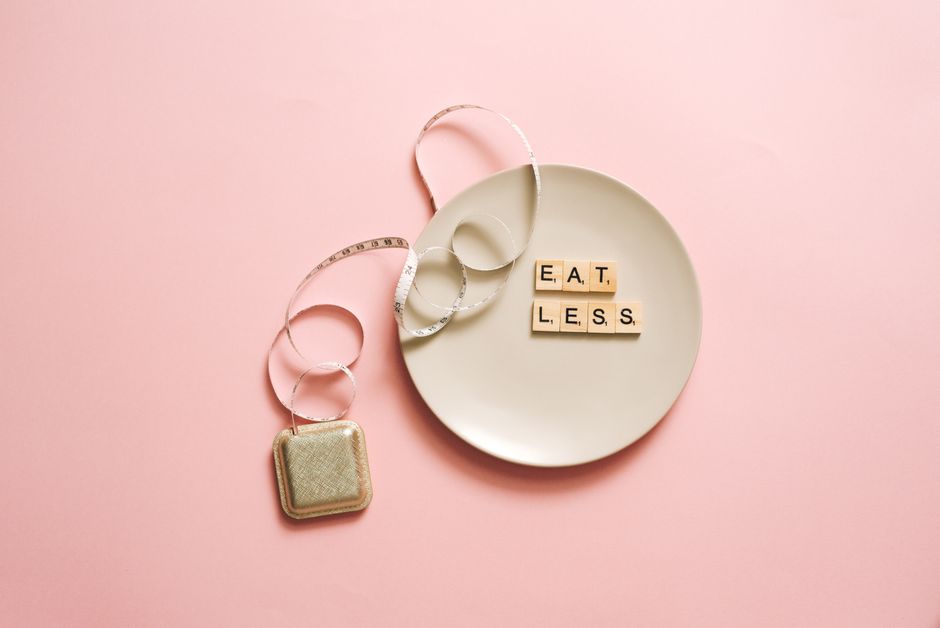
Empty kilocalories are calories from foods that provide energy but little to no nutritional value. These calories come mostly from added sugars, solid fats, and refined grains. Your body gets the energy but misses out on vitamins, minerals, fiber, and protein it needs to function well.
The term “empty” is not about the calorie itself. A calorie is a unit of energy no matter where it comes from. The emptiness refers to the lack of nutrients that come along with that energy. Eating too many empty calories means you meet your energy needs without meeting your nutrient needs. Over time this pattern can lead to weight gain and nutrient deficiencies.
What Exactly Counts as an Empty Calorie?
Foods high in empty calories share a few common traits. They are usually processed or refined. They contain high amounts of added sugar or solid fats. And they offer very little fiber, protein, vitamins, or minerals.
The USDA defines empty calories as calories from solid fats and added sugars. Solid fats are fats that are solid at room temperature like butter, beef fat, and shortening. Added sugars are sugars added during processing or preparation not the natural sugars found in fruit or milk.
Common sources include soda, candy, cookies, cakes, pastries, ice cream, sugary cereals, and many fast food items. White bread, white rice, and regular pasta are also sources because the refining process strips away fiber and nutrients. Alcoholic beverages are another major source of empty calories.
According to the 2020-2025 Dietary Guidelines for Americans, about 35% of the total calories consumed by the US population come from added sugars and saturated fats. That is more than one-third of all calories offering almost no nutritional benefit.
How Do Empty Calories Affect Your Body?
Your body processes empty calories the same way it processes any other calorie. They provide energy. But the absence of nutrients creates a problem. When you eat empty calories you fill up on energy without giving your body the raw materials it needs for repair, immune function, and tissue maintenance.
Research published in the Journal of the American Medical Association found that diets high in added sugars are linked to an increased risk of cardiovascular disease. The study followed over 11,000 adults for nearly 15 years. People who got 17 to 21% of their calories from added sugar had a 38% higher risk of dying from heart disease compared to those who kept added sugar below 10% of calories.
Empty calories also affect blood sugar regulation. Foods high in sugar and refined carbs cause rapid spikes and crashes in blood glucose. This can leave you feeling tired, hungry, and irritable shortly after eating. Over time this pattern can contribute to insulin resistance and type 2 diabetes.
Weight gain is another direct consequence. Empty calorie foods are often highly palatable and easy to overeat. They do not trigger the same fullness signals that protein, fiber, and healthy fats do. You can drink a 20-ounce soda with 250 calories and still feel hungry. That is 250 calories with zero satiety.
What Does Research on Empty Calories Show?
The science on empty calories is clear and consistent. Diets high in empty calories are associated with poorer health outcomes across multiple measures. The evidence comes from large population studies, clinical trials, and government dietary surveys.
The National Health and Nutrition Examination Survey (NHANES) tracks what Americans eat. Data from NHANES shows that the top sources of empty calories for children and adults are grain-based desserts, sodas, pizza, and whole milk. These foods alone account for a large portion of the added sugars and solid fats in the average diet.
Research from the World Health Organization has linked high intake of free sugars — which include added sugars and naturally occurring sugars in honey and fruit juices — to obesity, dental caries, and noncommunicable diseases. The WHO recommends that free sugars make up less than 10% of total energy intake and suggests a further reduction to below 5% for additional health benefits.
One study published in the American Journal of Clinical Nutrition looked at what happens when people replace empty calories with nutrient-dense foods. Participants who swapped sugary drinks for water or unsweetened beverages saw reductions in total calorie intake and improvements in diet quality. The study did not require participants to count calories. The change happened naturally because the replacement foods were more filling.
It is important to note that not all calories from added sugars or solid fats are equally harmful in small amounts. The problem is the dose. A small cookie now and then is not the same as a daily soda habit. The research consistently shows that the cumulative effect of regularly consuming empty calories is what drives negative health outcomes.





How Do Empty Calories Compare to Nutrient-Dense Calories?
The difference between empty calories and nutrient-dense calories is not about the calorie itself. It is about what else comes with it. A 100-calorie apple provides fiber, vitamin C, and various antioxidants. A 100-calorie serving of soda provides sugar and nothing else.
| Food | Calories | Nutrients Provided |
|---|---|---|
| Apple (medium) | 95 | Fiber, vitamin C, potassium, antioxidants |
| 12 oz soda | 140 | Added sugar, no vitamins or minerals |
| Almonds (1 oz) | 164 | Protein, fiber, vitamin E, magnesium, healthy fats |
| Potato chips (1 oz) | 152 | Mostly fat and salt, minimal nutrients |
| Greek yogurt (plain, 6 oz) | 100 | Protein, calcium, probiotics, B vitamins |
| Fruit yogurt (6 oz, sweetened) | 150 | Added sugar, some calcium, less protein than plain |
The table shows that similar calorie counts can deliver very different nutritional value. Choosing nutrient-dense foods does not mean eating less. It means getting more per calorie. This is a concept sometimes called nutrient density.
Nutrient-dense foods include vegetables, fruits, whole grains, lean proteins, legumes, nuts, seeds, and low-fat dairy. These foods provide a high amount of nutrients relative to their calorie content. Empty calorie foods provide very low nutrient density.
What Are the Practical Steps to Reduce Empty Calories?
Reducing empty calories does not require cutting out all treats. It requires awareness of where most empty calories come from and making targeted swaps. The biggest impact comes from addressing the top sources in the diet.
- Replace sugary drinks with water, sparkling water, or unsweetened tea. Sugary drinks are the single largest source of added sugar in the American diet. Cutting them out can reduce empty calorie intake by several hundred calories per day.
- Choose whole fruit instead of fruit juice or fruit-flavored snacks. Whole fruit provides fiber that slows sugar absorption. Juice and fruit snacks concentrate sugar without the fiber.
- Read ingredient labels for added sugars. Sugar goes by many names including high fructose corn syrup, cane sugar, dextrose, maltose, and fruit juice concentrate. The added sugars line on the Nutrition Facts panel helps identify products with high amounts.
- Cook more meals at home. Restaurant and fast food meals tend to be higher in solid fats and added sugars. Home cooking gives you control over ingredients.
- Snack on nuts, vegetables, or plain yogurt instead of cookies, chips, or sweetened yogurt. These swaps increase nutrient intake while reducing empty calories.
A common mistake is trying to eliminate all empty calories at once. This approach rarely works long term. A more sustainable strategy is to reduce portion sizes of empty calorie foods gradually. Have one cookie instead of three. Order a small soda instead of a large. These small changes add up without feeling like deprivation.
Another practical step is to pay attention to liquid calories. Beverages are a major source of empty calories that do not trigger fullness signals. Alcohol, sweetened coffee drinks, energy drinks, and fruit punch all contribute significant empty calories without making you feel full.
Common Misconceptions About Empty Calories
One widespread myth is that empty calories are only in junk food. This is not entirely accurate. Many foods that seem healthy can be high in empty calories. Granola bars, flavored yogurts, bottled smoothies, and even some whole wheat breads contain added sugars and refined grains that push them into the empty calorie category.
Another misconception is that empty calories are harmless if you exercise. Exercise does not cancel out poor nutrition. A diet high in empty calories can still lead to nutrient deficiencies regardless of physical activity level. Exercise burns energy but does not provide the vitamins, minerals, and fiber that the body needs for recovery and long-term health.
Some people believe that natural sugars like honey or agave are not empty calories. Honey does contain trace amounts of nutrients and antioxidants, but the amounts are negligible relative to the sugar content. A tablespoon of honey has about 64 calories and 17 grams of sugar. It is still primarily sugar with minimal nutritional value. The same applies to maple syrup and coconut sugar.
There is also a belief that cutting empty calories means eating bland food. This is not true. Herbs, spices, citrus, vinegar, and healthy fats like olive oil can add flavor without adding empty calories. The goal is not to remove enjoyment from eating. It is to shift toward foods that provide both pleasure and nutrition.
Frequently Asked Questions
Are all calories from sugar considered empty calories?
Yes, added sugars are classified as empty calories because they provide energy without vitamins, minerals, or fiber. Naturally occurring sugars in whole fruit and milk come with other nutrients and are not considered empty.
How many empty calories can I have per day?
The Dietary Guidelines for Americans suggest limiting added sugar to less than 10% of total daily calories and saturated fat to less than 10% of total daily calories. For a 2,000-calorie diet that is about 200 calories from each.
Do empty calories make you gain weight faster than other calories?
No, a calorie from any source provides the same amount of energy. Empty calories make weight gain more likely because they are easy to overeat and do not make you feel full, leading to higher total calorie intake.
Can you lose weight by cutting out empty calories?
Yes, reducing empty calories often leads to weight loss because it lowers total calorie intake without requiring conscious restriction. Many people naturally eat less when they swap empty calorie foods for more filling options.
