
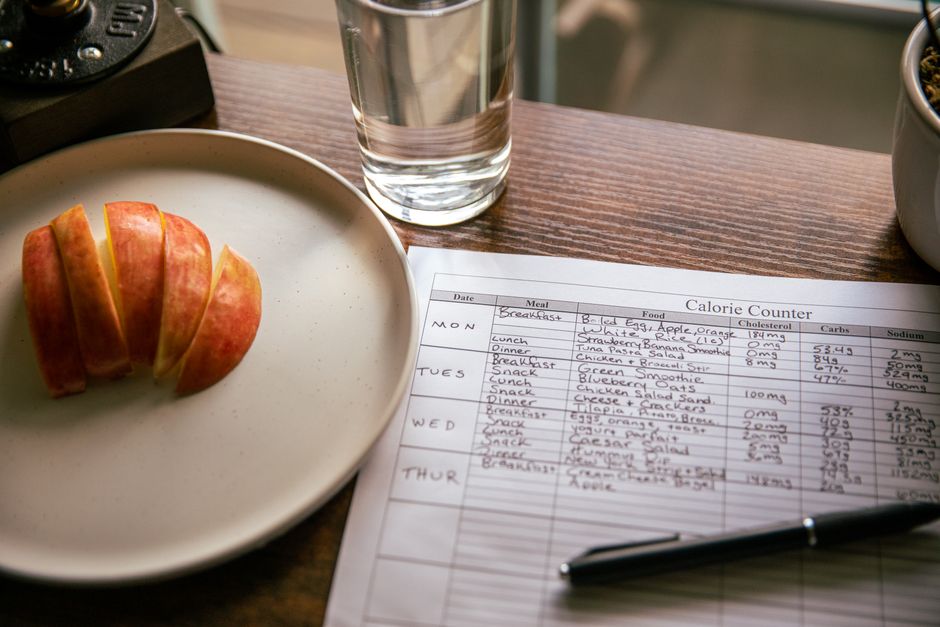
A calorie is a unit of energy. It measures how much energy your body gets from the food and drinks you consume. Technically, one calorie is the amount of energy needed to raise the temperature of one kilogram of water by one degree Celsius. When you see “calories” on a food label, you are looking at a measurement of potential energy your body can use for everything from breathing to running. This energy comes from three main sources: carbohydrates, proteins, and fats.
Where Do Calories Actually Come From?
Calories are not a substance you can touch. They are a measurement of the energy stored in the chemical bonds of food molecules. Your body breaks these bonds during digestion to release energy for fuel.
The three macronutrients provide calories in different amounts. Carbohydrates and proteins each provide 4 calories per gram. Fat provides 9 calories per gram. Alcohol provides 7 calories per gram but has no nutritional value.
The CDC reports that most Americans get about 50% of their daily calories from carbohydrates, 15% from protein, and 35% from fat. These percentages shift depending on diet patterns but the energy values per gram remain fixed. Your body does not care where the energy comes from for basic survival. It cares about getting enough to function.
How Does Your Body Use Calories?
Your body burns calories constantly even when you are asleep. This baseline energy use is called your resting metabolic rate. Research published in the American Journal of Clinical Nutrition found that resting metabolism accounts for about 60-75% of total daily calorie burn for most people.
Physical activity burns additional calories. The more intense the activity the more calories you use per minute. But digestion also burns calories. This is called the thermic effect of food. Protein requires the most energy to digest at about 20-30% of its calories. Carbohydrates require about 5-10%. Fat requires the least at 0-3%.
Some people report feeling warmer after eating a high-protein meal. That warmth is the heat produced from digestion. Your body is literally burning energy to process what you ate.
What Is In A Calorie Beyond Energy?
A calorie is pure energy. There is nothing else inside it. But the foods that contain calories also contain other things that matter for health. Vitamins, minerals, fiber, and phytochemicals all come packaged with calories in whole foods.
This is where the concept of “empty calories” comes from. A soda has calories from sugar but zero vitamins or fiber. An apple has similar calories from sugar but also provides vitamin C, fiber, and antioxidants. The calorie count may be similar but the nutritional value is completely different.
Research published in JAMA Internal Medicine followed over 100,000 people and found that diet quality mattered more for long-term health than total calorie intake alone. People who ate nutrient-dense foods had lower mortality rates regardless of how many calories they ate. This does not mean calories do not matter for weight. It means health is about more than just the energy number.





Does a Calorie From Sugar Act Differently Than a Calorie From Protein?
In a laboratory, one calorie of sugar and one calorie of protein contain the same amount of energy. But inside your body they are handled very differently. This is where the “calorie is a calorie” debate gets complicated.
Sugar calories enter your bloodstream quickly. They spike blood glucose and trigger insulin release. Your body either uses them immediately for energy or stores them as fat. Protein calories digest slowly. They keep you full longer and require more energy to process. They also help preserve muscle mass which burns more calories at rest than fat tissue does.
Some studies suggest that eating 100 calories of protein leads to less net energy absorbed than eating 100 calories of sugar because of the thermic effect. The difference is real but small. It is not a free pass to ignore total calorie intake. It just means food quality influences how your body manages energy balance.
How Many Calories Does the Average Person Need?
The Dietary Guidelines for Americans provide general ranges. Adult women typically need 1,600 to 2,400 calories per day. Adult men typically need 2,000 to 3,000 calories per day. These numbers vary based on age, height, weight, and activity level.
A sedentary 65-year-old woman needs fewer calories than an active 25-year-old woman of the same height. Muscle mass also matters. More muscle increases your resting metabolic rate. Research from the National Institutes of Health shows that muscle burns about 6 calories per pound per day while fat burns only 2 calories per pound per day.
Using an online calculator based on the Mifflin-St Jeor equation gives a more personalized estimate than general ranges. This equation uses your age, sex, height, and weight to calculate your basal metabolic rate. Then it adjusts for your activity level. It is not perfect but it is the best widely available tool.
What Happens When You Eat More Calories Than You Burn?
Your body stores excess calories as fat. This is a survival mechanism. Your ancestors needed fat stores for times when food was scarce. Modern life rarely has food scarcity so those stores just accumulate.
One pound of body fat contains roughly 3,500 calories of stored energy. Eating 500 extra calories per day for a week adds up to about one pound of fat gain. The reverse is also true. Eating 500 fewer calories per day for a week leads to about one pound of fat loss.
These numbers are not exact for every person. Individual metabolism, hormone levels, and gut bacteria all influence how calories are processed. But the basic principle holds for the vast majority of people. Energy balance drives weight change over time.
| Food | Calories | Primary Energy Source |
|---|---|---|
| Medium apple | 95 | Carbohydrate |
| Large egg | 78 | Protein and fat |
| Slice of whole wheat bread | 80 | Carbohydrate |
| Tablespoon of olive oil | 119 | Fat |
| Can of soda (12 oz) | 140 | Carbohydrate (sugar) |
| 3 oz chicken breast (skinless) | 140 | Protein |
Common Misconceptions About Calories
Many people think calories from healthy foods do not count as much. This is not true. A calorie from an avocado is still 9 calories per gram of fat. The difference is that avocado also provides fiber, potassium, and healthy fats that support heart health. The calorie number still matters for weight management.
Another widespread claim is that negative-calorie foods exist. Celery, cucumbers, and grapefruit are often mentioned. The idea is that digesting them burns more calories than they contain. As of 2026 there is no clinical evidence that any food has a net negative calorie effect. The energy required to digest food is simply too small to offset the calories the food provides.
Some people believe that eating late at night causes more fat storage. Research shows that total calories eaten across 24 hours matter more than the timing. Late-night eating often leads to extra calories because people snack mindlessly. The timing itself is not the problem.
How to Use Calorie Information Wisely
Reading nutrition labels helps you understand what is in your food. The FDA requires calorie counts on all packaged foods. Look at serving size first. A bag of chips may list 150 calories but contain three servings. That is 450 calories for the whole bag.
Restaurant menus in chain establishments also show calorie counts. This information is useful but not perfect. A salad with grilled chicken listed at 350 calories may become 600 calories with dressing and toppings added. Ask for dressing on the side and check what toppings come standard.
Tracking calories for a short period can teach you portion awareness. You do not need to track forever. A week or two of honest logging often reveals surprising sources of extra calories. Liquid calories from coffee drinks, juice, and alcohol are common blind spots.
If you are trying to manage your weight focus on whole foods first. Vegetables, lean proteins, whole grains, and healthy fats naturally provide more nutrients per calorie. They also tend to be more filling than processed options. This makes it easier to eat an appropriate amount without feeling deprived.
Frequently Asked Questions
Are all calories the same for weight loss?
For weight loss total calorie intake matters most. But food quality affects how easy it is to eat fewer calories and how your body responds.
Can you burn calories without exercising?
Yes. Your body burns calories at rest for basic functions like breathing and circulation. This is called your resting metabolic rate.
Do calories from alcohol count?
Yes. Alcohol provides 7 calories per gram. Your body processes alcohol calories before other energy sources which can slow fat burning.
How many calories should I eat to lose weight?
This depends on your age, sex, height, weight, and activity level. A 500-calorie deficit below your maintenance level typically leads to about one pound of loss per week.
