
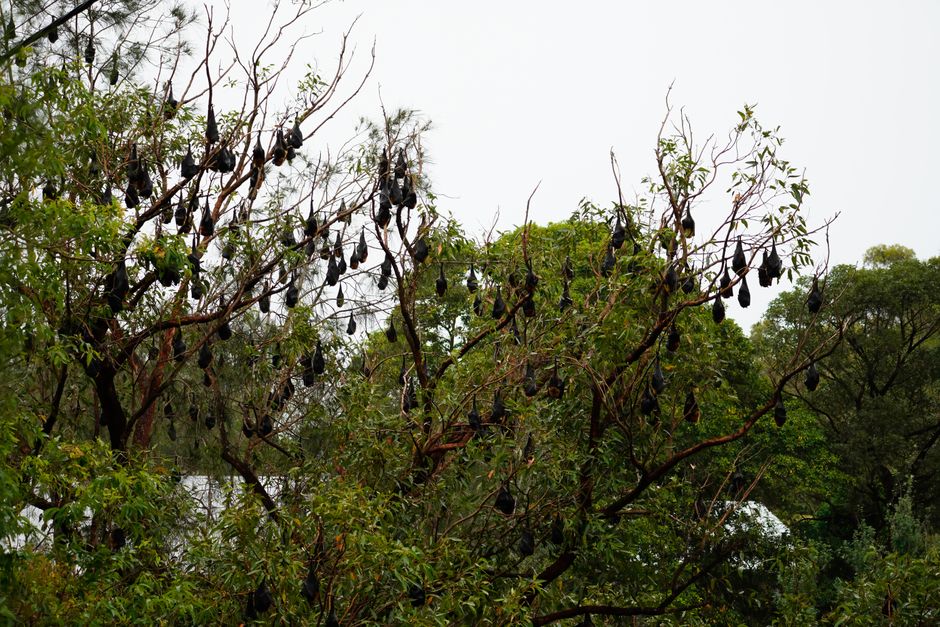
Most bats cannot survive more than 24 hours without water, and their ability to go without food ranges from a few days to about two weeks depending on the species, the season, and the bat’s body condition. Hibernating bats are the major exception — some can live for months without eating or drinking while their bodies slow down to near-freezing temperatures. Outside of hibernation, a bat deprived of food and water will typically die within three to four days. This is not a party trick. It is a survival limit shaped by how fast their tiny bodies burn energy.
How Long Can Bats Live Without Food And Water in Normal Conditions?
For an active bat that is not hibernating, the answer is short. Most species need to eat every 24 to 48 hours. Their metabolic rate is extremely high for an animal their size. A little brown bat can eat half its body weight in insects in a single night. Without that fuel, blood sugar drops fast and the bat cannot maintain flight or body temperature.
Water is even more urgent. Bats lose water constantly through their wings and through breathing. A bat that cannot find water will become dehydrated within 12 to 18 hours. Death from dehydration can happen in less than 24 hours in hot dry conditions. This is why bats roost near water sources and fly to ponds rivers or lakes at dusk to drink.
Some people report that bats in attics survive for weeks after exclusion. That is usually a misunderstanding. Bats trapped in a wall or attic often die within three days. The ones that seem to survive longer are either finding small amounts of water from condensation or they are in a torpor state which slows everything down. But active bats do not last long without food and water.
How Does Hibernation Change the Answer?
Hibernation rewrites the rules entirely. During hibernation a bat’s body temperature drops to match its surroundings. Its heart rate slows from 400 beats per minute to as low as 10 beats per minute. Breathing becomes shallow and infrequent. The bat is essentially idling on minimum power.
In this state a bat can survive for months without eating or drinking. Some species of vesper bats have been documented surviving up to six months of hibernation with no food intake. They rely entirely on stored body fat. A bat needs to gain about 25 to 30 percent of its body weight in fat before hibernation to make this work. If it does not have enough fat it will starve before spring.
Water during hibernation is a different story. Bats do not drink while hibernating. They conserve water by producing concentrated urine and by reducing moisture loss through their skin. But they still lose water slowly over time. If hibernation lasts too long or if the roost is too dry a bat can die from dehydration even with plenty of fat left. Current research suggests that dehydration may be a bigger threat to hibernating bats than starvation in many cases.
What Determines How Long a Bat Can Survive Without Food?
Several factors determine survival time and they vary wildly between species and situations.
Body size matters but not in the way you might expect. Smaller bats have higher metabolic rates relative to their body size. They burn through energy faster. A tiny pipistrelle bat may only last two days without food while a larger flying fox can go five to seven days. But larger bats also need more absolute calories so the advantage is not huge.
Fat reserves are the single biggest factor. A bat that just fed heavily can survive longer than one that is already lean. This is why bats in late summer and fall survive longer without food than bats in spring. They have built up fat stores for migration or hibernation.
Ambient temperature is critical. A bat in a cool 50 degree roost burns energy much slower than a bat in a 75 degree attic. Every degree of temperature change shifts survival time by hours. This is why bats in warm attics during summer die quickly if trapped.
Activity level also matters. A bat that is flying and searching for food burns energy at a much higher rate than a bat that is resting. A resting bat can stretch its survival time by entering a short-term torpor state. Torpor is like a mini hibernation that lasts a few hours to a day. It drops the bat’s metabolic rate and conserves energy. Many bats use torpor overnight to survive cold snaps or food shortages.




Can Bats Survive Without Food and Water Longer Than Other Mammals Their Size?
Yes but only because of torpor and hibernation. If you compare active metabolic rates bats burn energy faster than almost any other mammal their size. A shrew is the only land mammal with a higher metabolic rate relative to body mass. Without the ability to slow down bats would die faster than mice or voles.
The table below shows approximate survival times for different scenarios. These are rough estimates based on laboratory data and field observations. Individual bats vary.
| Condition | Without Food | Without Water |
|---|---|---|
| Active summer bat | 2 to 4 days | 12 to 24 hours |
| Bat in torpor | 5 to 10 days | 2 to 3 days |
| Hibernating bat | 3 to 6 months | 3 to 6 months (with fat stores) |
| Baby bat (pup) | 12 to 24 hours | 6 to 12 hours |
Baby bats are the most vulnerable. They cannot regulate their body temperature well and they need milk every few hours. A bat pup separated from its mother will die within a day without food or warmth. This is why wildlife rescues emphasize getting orphaned pups to a rehabilitator immediately.
What Happens to a Bat’s Body When It Runs Out of Food and Water?
The process is not gentle. When a bat runs out of food its blood sugar drops first. The bat becomes weak and unable to fly. It will try to enter torpor to conserve energy. If it cannot find food within that torpor window its body begins breaking down muscle tissue for energy. This is catabolism and it is a last resort. Once muscle breakdown starts the bat is in serious trouble.
Dehydration hits faster and harder. Bats lose water through their wings constantly because the wing membrane is thin and exposed. As dehydration sets in the blood thickens and the bat’s organs struggle to function. The bat will become lethargic and may stop grooming. Its wings may look dry or shriveled. Death from dehydration usually comes from kidney failure or electrolyte imbalance.
In both cases the bat will eventually become too weak to fly even if food or water appears. This is why a bat found on the ground during the day is almost always dehydrated or starving. Healthy bats do not land on the ground voluntarily. If you see a bat on the ground it needs help.
Can Bats Go Without Food and Water in Captivity?
Captive bats in zoos or research facilities are never intentionally deprived of food and water. Ethical guidelines require that bats have access to fresh water and appropriate food at all times. The only exception is short-term fasting for medical procedures or metabolic research and that is done under veterinary supervision.
Some people keep bats as pets in places where it is legal. Bats do not make good pets. They have specific dietary needs that are hard to meet. A captive bat that refuses to eat for more than 24 hours needs veterinary attention. Captive bats have died from refusing food for just two days because they were stressed or ill.
If you are caring for a rescued bat the rule is simple. Offer water immediately using a dropper or shallow dish. Offer food within the first few hours. Mealworms or specialized bat formula are common options. Do not wait to see if the bat will eat on its own. Hand feeding may be necessary. A bat that has gone more than 12 hours without food or water is an emergency.
Common Misconceptions About Bats and Survival
One myth is that bats can survive for weeks in a house after being trapped. This usually comes from people hearing scratching sounds long after they thought the bats were gone. What is actually happening is that other bats are still coming and going through a different entry point. The trapped bats die within days. The sounds are from new bats or from the original colony using a different route.
Another myth is that bats can drink dew or moisture from plants to survive without open water. Some bats may lick moisture from leaves but this is not enough to sustain them. Bats need open water sources like ponds streams or birdbaths. They drink by skimming the surface in flight. Dew is not reliable and does not provide enough volume.
Some people believe that bats can store food like squirrels do. Bats do not cache food. They eat what they catch and they catch every night. There is no pantry. If insects are not available the bat has no backup. This is why bat populations crash during prolonged cold snaps or droughts that reduce insect availability.
What to Do If You Find a Bat That May Be Starving or Dehydrated
If you find a bat on the ground during the day it is likely in trouble. Do not touch it with bare hands. Bats can carry rabies and any bite should be taken seriously. Use thick gloves or a towel to pick it up. Place it in a small ventilated box with a soft cloth.
Offer water in a shallow lid or use a dropper to place a drop near its mouth. Do not force water into its mouth. A dehydrated bat may not be able to swallow properly. Get it to a wildlife rehabilitator or a bat rescue organization as soon as possible. Many areas have bat-specific rescues that can provide proper care.
Do not try to feed a bat cow milk bread or human food. Bats need insect protein or specialized formula. Wrong food can kill them faster than starvation. Do not release a bat at night if it looks weak. It will not survive on its own. Bats are protected species in many regions and it may be illegal to keep one without a permit. The best thing you can do is get it to someone trained to handle bats.
Frequently Asked Questions
How long can a bat survive without food while hibernating?
A hibernating bat can survive three to six months without food if it has enough stored body fat. The exact time depends on the species and the temperature of the roost.
Can bats die from dehydration faster than starvation?
Yes, dehydration kills active bats much faster than starvation. A bat without water can die within 12 to 24 hours in warm conditions while it may survive two to four days without food.
Do bats need to drink water every night?
Most bats drink water every night when they are active. They fly to open water sources at dusk to drink by skimming the surface with their lower jaw.
What should I feed a bat I found that is weak or dehydrated?
Do not feed a weak bat without guidance from a wildlife rehabilitator. Offer water only and get the bat to a trained rescuer who can provide appropriate formula or insect-based food.
