
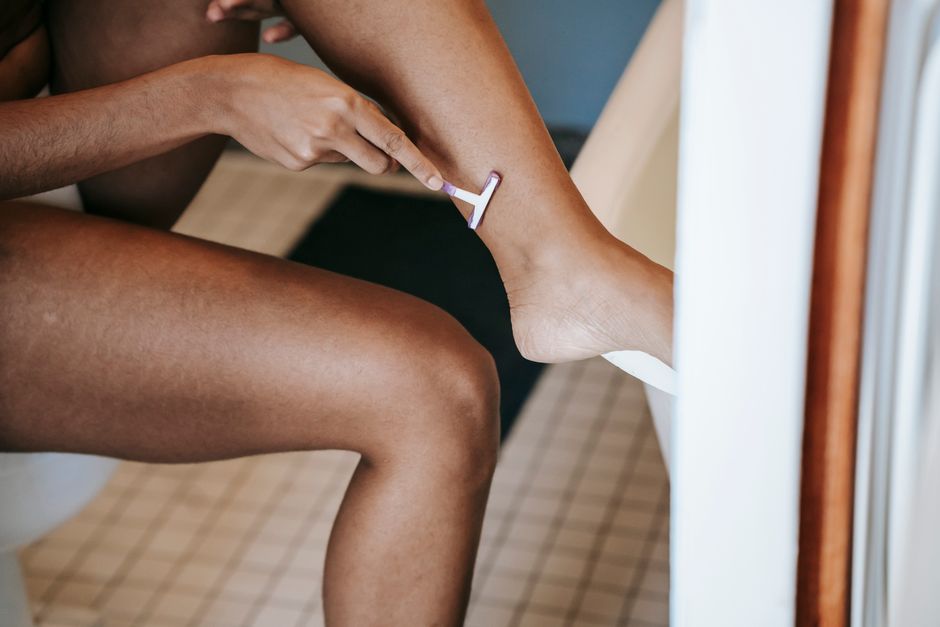
Shaving pubic hair is a personal choice, and there is no medical requirement to do it. For most people, the decision comes down to comfort, hygiene preferences, and how your skin reacts to hair removal. That said, shaving this sensitive area carries specific risks like razor burn, ingrown hairs, and infections, so knowing how to do it safely matters more than whether you do it at all.
Is It Healthier to Shave or Not to Shave?
Pubic hair serves a purpose. It reduces friction during sex and daily movement, and it helps keep the skin in that area from chafing. It also traps moisture and bacteria, which sounds bad but actually helps keep the skin’s natural barrier intact.
Removing it does not make you cleaner. In fact, the opposite can be true. Shaving creates tiny cuts in the skin that are invisible to the eye. Those micro-abrasions can let bacteria enter, which increases the risk of infection. Research consistently shows that people who shave or wax their pubic hair have higher rates of skin irritation and infection than those who do not.
There is no health benefit to removing pubic hair. The choice is purely cosmetic and personal. If you shave, you are trading a small increase in skin irritation risk for the aesthetic or comfort preference you want. That is a valid trade-off, but it is not a health win.
What Are the Real Risks of Shaving Pubic Hair?
Shaving pubic hair is not like shaving your legs. The skin there is more sensitive, and the hair is coarser and curlier. That combination makes irritation far more likely.
The most common problems are razor burn and ingrown hairs. Razor burn happens when the blade scrapes the top layer of skin off. The area turns red, stings, and can feel bumpy for days. Ingrown hairs occur when the sharp tip of a shaved hair curls back into the skin and grows inward. This creates a red, sometimes painful bump that can become infected if it is not treated.
More serious complications include folliculitis, which is an infection of the hair follicles. In rare cases, shaving can cause abscesses that require medical drainage. Some research suggests that the increase in pubic hair removal over the past two decades has led to more emergency room visits for these infections, though the overall numbers remain small.
If you have diabetes, a weakened immune system, or a skin condition like eczema or psoriasis, the risks are higher. Your skin’s ability to heal is compromised, and what starts as a minor nick can become a significant infection.
How to Shave Pubic Hair Safely
If you decide to shave, technique matters more than any product you buy. The goal is to minimize skin trauma and prevent infection.
Start with clean skin. Wash the area with a mild, fragrance-free cleanser. Do not use heavily scented soaps, which can irritate the skin before you even pick up a razor.
Trim first. If your hair is long, use a clean pair of scissors or a beard trimmer with a guard to shorten it to about a quarter inch. Shaving long hair pulls and tugs, which causes more irritation.
Shave in the shower or right after. Warm water softens the hair and opens the pores. Use a fresh, sharp razor. Dull blades pull the hair and cause more micro-cuts. Shave in the direction of hair growth, not against it. Going against the grain gives a closer shave but dramatically increases the risk of razor burn and ingrown hairs.
Use a shaving gel or cream designed for sensitive skin. Do not use bar soap, which does not provide enough glide and dries the skin out. Rinse the razor after every stroke. Do not press hard. Let the weight of the razor do the work.
After shaving, rinse with cool water and pat the area dry with a clean towel. Do not rub. Apply a fragrance-free moisturizer or a gentle, alcohol-free aftershave balm. Avoid tight underwear or exercise clothes for the rest of the day, because friction and sweat will irritate freshly shaved skin.





What About Other Hair Removal Methods?
Shaving is not the only option, and it is not necessarily the best one for everyone.
Waxing removes hair from the root, so results last three to six weeks. The main risk is that the skin can be pulled or burned if the wax is too hot. Waxing also leaves the hair follicle open, which can increase the risk of infection if you are not careful about hygiene afterward.
Laser hair removal uses concentrated light to damage hair follicles so they stop producing hair. It requires multiple sessions and is expensive. It works best on people with light skin and dark hair. The evidence for its long-term effectiveness is solid, but it is not permanent for everyone. Some hair will eventually regrow, though it is usually finer and lighter.
Hair removal creams dissolve the protein in hair. They are easy to use, but they contain strong chemicals that can burn sensitive skin. Never use a hair removal cream on the pubic area unless the label specifically says it is safe for that region. Even then, test it on a small patch of skin first and wait 24 hours to check for a reaction.
There is no method that is risk-free. The choice depends on your skin sensitivity, pain tolerance, budget, and how often you want to maintain the result.
Should You Shave Before Sex or a Doctor’s Appointment?
There is a widespread belief that shaving before a gynecologist exam or a urology visit is expected or required. It is not. Medical professionals do not care about your pubic hair. They care about your health.
Shaving right before an appointment can actually interfere with an exam. If you develop razor burn or a small cut, it can look like a skin condition or an infection during the exam. This can lead to unnecessary testing or concern. If you are having a procedure that involves the area, some surgeons ask you not to shave for a few days beforehand, because the micro-cuts can introduce bacteria into the surgical site.
For sexual activity, the choice is yours. Some people prefer the sensation of being shaved, and some partners prefer it too. But there is no evidence that shaving improves sexual health or pleasure. If you do shave, do it at least a day before sexual activity to allow any irritation to calm down.
How to Treat Razor Burn and Ingrown Hairs
If you get razor burn, stop shaving that area until it heals. Apply a cool compress to reduce inflammation. A fragrance-free moisturizer or a thin layer of aloe vera gel can soothe the skin. Over-the-counter hydrocortisone cream can help with severe redness, but do not use it for more than a few days without checking with a doctor.
For ingrown hairs, do not pick or squeeze them. That usually makes the infection worse. Wash the area gently with warm water and a mild cleanser. A warm compress can help bring the hair to the surface. If the ingrown hair is visible, you can gently lift it with a sterile needle, but do not pull it out. If it does not resolve in a few days, or if it becomes painful, swollen, or filled with pus, see a doctor. You may need a prescription antibiotic ointment.
If you get ingrown hairs regularly, consider switching to a different hair removal method or stopping hair removal in that area entirely. Some people are simply prone to this condition, and no amount of technique adjustment will fix it.
When to See a Doctor
Most shaving irritation resolves on its own within a few days. Some signs mean you need medical attention.
See a doctor if you develop a fever, if the area becomes increasingly red and swollen, if you see pus, or if the pain gets worse instead of better. These are signs of an infection that is not clearing on its own. Do not wait more than a few days if these symptoms appear.
If you have diabetes or any condition that slows healing, do not wait. Minor infections can become serious quickly in people with compromised immune systems. Call your doctor’s office and describe what you are seeing. They will tell you whether you need to come in.
Frequently Asked Questions
Does shaving pubic hair make it grow back thicker?
No. Shaving does not change hair thickness, color, or growth rate. Shaved hair has a blunt tip, which makes it feel coarser when it first grows back, but the hair itself is unchanged.
How often should I shave my pubic hair?
There is no recommended frequency. Shave whenever you want, but wait at least a few days between sessions to let the skin recover and reduce the risk of irritation.
Can shaving pubic hair cause infections?
Yes. Shaving creates tiny cuts that can let bacteria enter the skin, which can lead to folliculitis or more serious infections. The risk is higher if you shave frequently or have sensitive skin.
Is it safe to use hair removal cream on pubic hair?
Only if the product label specifically says it is safe for the pubic area. Even then, test it on a small patch of skin first and wait 24 hours. These creams contain strong chemicals that can burn sensitive skin.
