
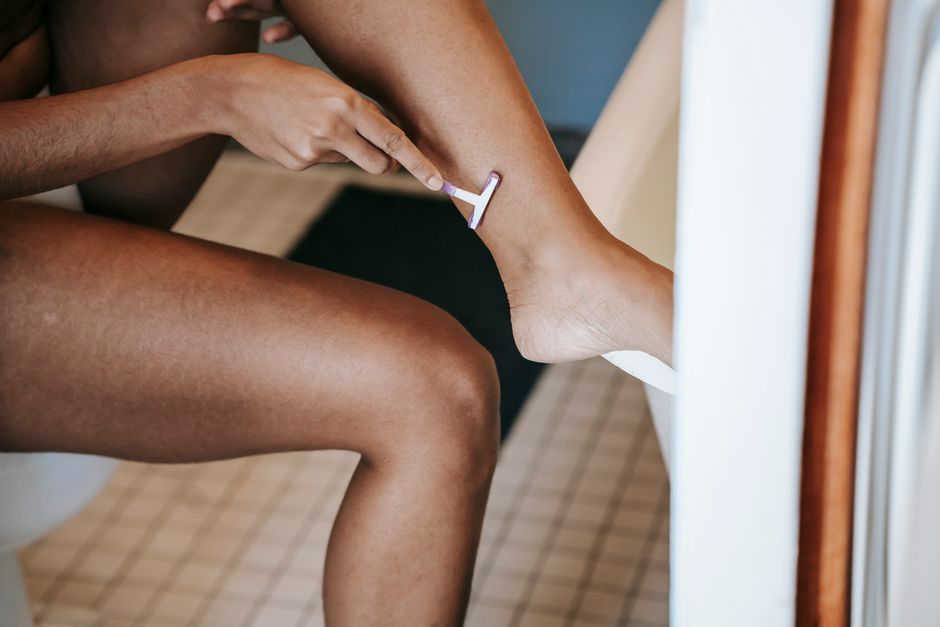
Shaving pubic hair without cuts or bumps is possible, but it takes more care than shaving your legs or face. The skin in that area is sensitive, and the hair is often coarse and curly. The most reliable way to avoid irritation is to prepare the skin properly, use the right tools, and follow a consistent aftercare routine. Here is the step-by-step approach that dermatologists and clinical guidelines support for minimizing nicks, ingrown hairs, and razor burn.
Why Does Pubic Shaving Cause Bumps And Cuts?
The skin in the pubic region is thinner than skin on your legs or arms. It also has more nerve endings and a higher concentration of hair follicles. When you shave against the grain, the razor can pull the hair before cutting it. That pulling can cause the hair to retract below the skin surface after the cut. When the hair grows back, it may curl into the skin instead of outward. This is an ingrown hair.
Cuts happen for a different reason. The area has many curves and folds. A straight razor cannot easily follow those contours. When you apply too much pressure to compensate, you increase the risk of nicking the skin. Using a dull blade also raises the risk because you press harder to get a close shave.
Razor burn is a separate issue. It happens when friction irritates the top layer of skin. The result is redness, stinging, and sometimes small red bumps that look like a rash. Razor burn is not the same as an ingrown hair, though both can appear after shaving.
What Is The Safest Way To Shave Pubic Hair?
The safest method involves five steps: trim, soak, exfoliate, shave with the grain, and moisturize. Each step has a specific purpose.
Trim first. If your hair is longer than about half an inch, use a clean pair of beard trimmers or scissors with rounded tips. Do not use a razor on long hair. The blade will clog and pull, which increases the chance of cuts. Trimming brings the hair down to a manageable length.
Soak the area in warm water. Spend at least five minutes in a warm shower or bath before shaving. Warm water softens the hair shaft. Softer hair is easier to cut with less force. It also hydrates the outer layer of skin, which makes it more flexible and less prone to nicks.
Exfoliate gently. Use a soft washcloth or a mild sugar scrub in a circular motion. This lifts dead skin cells that can trap hairs under the surface. Do not scrub hard. The goal is to remove loose skin, not to irritate the area.
Use shaving cream or gel. Plain soap is not enough. It does not provide the lubrication needed for a smooth glide. A fragrance-free shaving gel or cream designed for sensitive skin is better. Apply a thick layer and let it sit for one to two minutes before you start.
Shave with the grain. Shave in the direction the hair grows, not against it. This produces a slightly less close shave, but it dramatically reduces the chance of ingrown hairs and razor burn. Use short, light strokes. Rinse the razor after every stroke.
Rinse with cool water and pat dry. Cool water closes the hair follicles and reduces irritation. Pat the area dry with a clean towel. Do not rub. Rubbing creates friction that can trigger razor burn.
Moisturize. Apply a fragrance-free moisturizer or a light, unscented oil within a few minutes of drying. This locks in hydration and creates a barrier that reduces friction against clothing.
What Razor Should You Use For Pubic Hair?
The razor matters more than most people realize. A multi-blade razor is generally better than a single-blade razor for this area. Multiple blades lift the hair slightly before cutting, which gives a closer shave with less pressure. However, more blades can also increase irritation for some people. If you have very sensitive skin, a two-blade razor may be a better choice.
Always use a sharp blade. A dull blade pulls the hair rather than cutting it cleanly. This pulling is a major cause of ingrown hairs. Replace your razor or blade after five to seven uses, or sooner if it feels rough. Do not share razors. Sharing can spread bacteria and increase the risk of infection in any small cuts.
There is no clinical evidence that expensive razors are safer than standard ones. The key factors are sharpness, number of blades, and how recently the blade was replaced. A clean, sharp, basic razor will outperform a fancy dull one every time.





How To Prevent Ingrown Hairs After Shaving
Ingrown hairs are the most common complaint after pubic shaving. They occur when the hair grows sideways or curls back into the skin. The body treats the hair as a foreign object, which causes redness, swelling, and sometimes pus. This can look like acne but is not acne.
Prevention starts with exfoliation. Gently exfoliating the area two to three times per week helps release hairs that are trapped under dead skin. This can be done with a soft cloth or a mild scrub. Do not exfoliate on the same day you shave if your skin feels sensitive.
Moisturizing daily also helps. Well-hydrated skin is softer, which makes it easier for hairs to grow outward instead of curling back in. Look for moisturizers with ceramides or glycerin. These ingredients support the skin barrier without clogging pores.
Avoid tight clothing immediately after shaving. Tight underwear or pants can press hairs back into the skin. Loose cotton underwear allows the area to breathe and reduces friction. Some research suggests that wearing looser clothing for 24 hours after shaving can reduce the rate of ingrown hairs.
If you get an ingrown hair, do not pick at it. Picking increases the risk of infection and scarring. Warm compresses can help bring the hair closer to the surface. In some cases, a sterile needle can gently lift the hair loop. If the area becomes painful, swollen, or drains pus, see a healthcare provider. That may be a sign of infection that needs medical treatment.
Are There Better Alternatives To Shaving?
Shaving is not the only option. Some people find that other methods cause less irritation. The choice depends on your skin sensitivity, pain tolerance, and how long you want the results to last.
Trimming is the lowest-risk option. Using a beard trimmer with a guard keeps hair short without ever touching the skin with a blade. This completely eliminates cuts, razor burn, and most ingrown hairs. The tradeoff is that the hair is not removed at the root, so it is not smooth to the touch.
Waxing removes hair from the root. Results last three to six weeks. However, waxing is painful and can cause redness, bumps, and sometimes burns if the wax is too hot. It also requires the hair to be at least a quarter of an inch long, which means a period of regrowth between sessions.
Laser hair removal is the most effective long-term option. It uses light energy to damage hair follicles, which reduces future growth. Multiple sessions are needed, usually six to eight, spaced several weeks apart. It is expensive and not guaranteed to remove all hair. It works best on people with light skin and dark hair. Some dermatologists offer this procedure, and it is considered safe when performed by a qualified professional.
Depilatory creams dissolve hair using chemicals. They are easy to use at home, but the chemicals can burn sensitive skin. Always do a patch test on a small area 24 hours before full use. Do not use these creams on broken or irritated skin.
No single method is best for everyone. If shaving consistently causes problems despite good technique, one of these alternatives may be worth trying.
What Not To Do When Shaving Pubic Hair
Several common habits increase the risk of cuts and bumps. Avoiding them can make a bigger difference than any product you buy.
- Do not dry shave. Dry shaving pulls the skin and hair, causing micro-tears that lead to razor burn and infection.
- Do not shave against the grain. Against-the-grain shaving gives a closer result but greatly increases ingrown hairs.
- Do not use body soap as shaving cream. Soap does not provide enough glide and can dry out the skin.
- Do not stretch the skin tight. Stretching makes the skin thinner and more prone to cuts. Let the skin stay relaxed.
- Do not shave the same area twice. Re-shaving irritates the skin and increases the risk of nicks. One pass is enough.
- Do not use deodorant or scented lotion right after shaving. Fragrances and alcohol can sting and inflame freshly shaved skin.
These rules are simple, but they are the difference between a smooth shave and a painful one. Most shaving injuries happen when people rush or skip basic preparation.
How Long Does It Take For Razor Bumps To Heal?
Mild razor burn usually fades within two to three days. The redness and stinging should improve each day. Ingrown hairs take longer. A trapped hair can take one to two weeks to work its way out of the skin. During this time, the bump may look red or feel tender.
If a bump does not improve within two weeks, or if it becomes increasingly painful, see a healthcare provider. What looks like a razor bump can sometimes be a bacterial infection that requires treatment. Do not assume every bump is harmless, especially if it grows, weeps fluid, or spreads.
There is no way to make skin heal faster than its natural rate. Keeping the area clean and moisturized supports healing, but it cannot speed up the process. Avoid shaving the same area again until the skin has fully recovered.
Frequently Asked Questions
Should I shave pubic hair in the shower or on dry skin?
Shave in the shower after soaking for at least five minutes. Warm water softens the hair and skin, which reduces cuts and irritation.
What is the best razor for shaving pubic hair?
A sharp multi-blade razor designed for sensitive skin works well for most people. Replace the blade every five to seven uses.
How do I get rid of razor bumps fast?
Apply a warm compress to the area and keep it moisturized with a fragrance-free lotion. Do not pick at the bump, and avoid shaving that spot until it heals.
Can I use coconut oil to shave pubic hair?
Coconut oil can work as a shaving lubricant, but it may clog pores for some people. A fragrance-free shaving gel is a safer choice for sensitive skin.
