
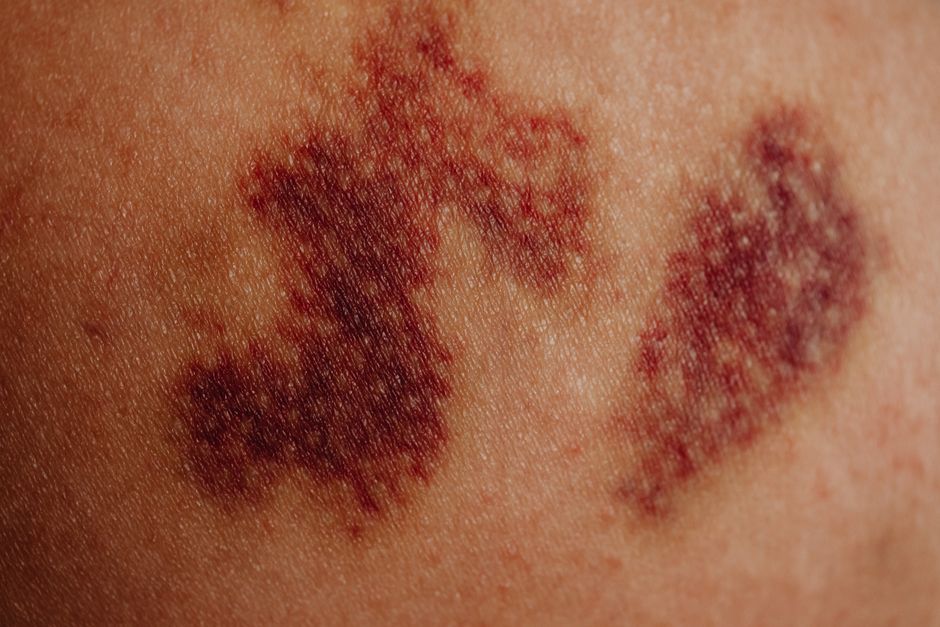
A blood blister looks alarming, but it is a common and usually minor injury. The short answer is that you should leave it alone. Popping a blood blister increases your risk of infection and slows down the natural healing process. Your body will reabsorb the blood and fluid over time, and the blister will dry up and peel away on its own.
What Exactly Is a Blood Blister?
A blood blister forms when a small blood vessel near the skin’s surface breaks. This usually happens from a pinching or crushing injury. Think of slamming your finger in a drawer or getting your skin caught in a hinge.
The blood leaks into the space between the layers of skin. The body then fills that space with fluid to protect the injured tissue underneath. The result is a raised pocket of skin filled with blood and serum.
Unlike a regular blister filled with clear fluid, a blood blister contains blood. This is because the injury was strong enough to damage tiny capillaries. The blood gives the blister its dark red, purple, or black appearance.
Why You Should Not Pop a Blood Blister
Your skin is a natural barrier against bacteria. When you pop a blister, you create an open wound. This opening gives bacteria a direct path into your body.
Infection is the main concern. An infected blister can become red, swollen, warm to the touch, and painful. It may drain yellow or green pus. In serious cases, the infection can spread to surrounding tissues or enter the bloodstream.
Popping a blood blister also removes the protective cushion over the healing skin. The new skin underneath is delicate. Exposing it too early can cause further damage and slow recovery.
There is also a risk of making the wound larger. A popped blister is essentially a raw spot that needs dressing and care. A blister left intact needs almost no care at all.
When Popping a Blood Blister Might Be Necessary
There are rare situations where a blood blister should be drained. This is not something you should do casually at home without thought.
If a blood blister is in a location where it keeps getting rubbed or torn open anyway, draining it in a controlled way may be better than letting it rupture on its own. This includes blisters on the soles of your feet or between your toes.
If you choose to drain it, you must do it carefully. Wash the area with soap and water. Sterilize a needle with rubbing alcohol. Pierce the edge of the blister, not the center. Let the fluid drain naturally. Do not peel the skin off.
After draining, apply antibiotic ointment and cover it with a bandage. Keep it covered until the skin heals. Watch closely for signs of infection.
That said, most medical advice is clear: leaving the blister intact is safer. Even for foot blisters, the recommendation is usually to leave it alone if it is not causing severe pain.


How to Care for a Blood Blister at Home
Caring for a blood blister is simple. The goal is to protect it until it heals on its own.
Keep the area clean. Wash it gently with mild soap and water. Do not scrub the blister itself.
Leave the blister uncovered if it is in a clean, dry area. If it is on your foot or somewhere it might rub against clothing, cover it with a loose bandage or moleskin pad. This protects it from friction.
Avoid activities that put pressure on the blister. If it is on your foot, wear shoes that do not rub against it. If it is on your hand, avoid gripping or repetitive motion.
Do not drain the blister. Do not remove the skin over it. Even if the blister looks dark or ugly, the skin is doing its job by protecting the wound underneath.
The blood inside the blister will eventually be reabsorbed by your body. This can take one to two weeks. The skin over the blister will dry out and peel off naturally.
Signs of Infection to Watch For
Infection is the main risk with any blister. You should know what to look for so you can act quickly if something goes wrong.
Watch for increasing redness around the blister. Some redness is normal with any injury, but spreading redness is not.
Pay attention to pain. Blisters can hurt, but pain that gets worse over time is a warning sign. Throbbing pain is especially concerning.
Look for pus or cloudy drainage. Clear fluid is normal if a blister breaks on its own. Yellow or green pus is not normal.
Check for warmth. If the skin around the blister feels hot to the touch, this can indicate an infection.
Watch for red streaks extending from the blister. This is a sign that the infection may be spreading through your lymphatic system. Red streaks warrant prompt medical attention.
Fever is another serious sign. If you develop a fever along with a blister that looks infected, seek medical care.
Blood Blisters and Underlying Health Conditions
Some people need to be more careful with blood blisters than others. Your body’s ability to heal and fight infection matters.
People with diabetes need to take blisters seriously. Diabetes can reduce blood flow to the extremities, especially the feet. This makes healing slower and infection more likely. A small blister on the foot of a person with diabetes can become a serious ulcer if not managed properly.
People with weakened immune systems should also be cautious. This includes people undergoing chemotherapy, taking immunosuppressive medications, or living with conditions that affect immune function.
People taking blood thinners may notice that blood blisters are larger or more common. This is because their blood does not clot as quickly. The blisters themselves are not more dangerous, but the underlying injury may bleed more.
If you have any of these conditions and develop a blood blister, it is wise to check with your doctor. They can tell you whether the blister needs special care.
What to Do If a Blood Blister Bursts on Its Own
Sometimes a blood blister bursts despite your best efforts. This is not a disaster, but it does require prompt care.
Wash your hands thoroughly before touching the area. Then gently clean the burst blister with mild soap and water. Do not peel away the loose skin. The remaining skin still provides some protection.
Apply an antibiotic ointment to the area. Cover it with a clean bandage. Change the bandage daily, or whenever it becomes wet or dirty.
Watch the area for signs of infection over the next several days. If the wound does not start to heal within a few days, or if it looks worse, see a doctor.
The loose skin will eventually dry and fall off. Do not pull at it. Let it separate on its own.
Blood Blisters That Need Medical Attention
Most blood blisters are minor injuries that heal without any medical care. But some situations warrant a visit to a doctor.
Seek medical attention if the blister is very large. A blood blister larger than a coin, roughly the size of a quarter, may need professional drainage.
See a doctor if the blister is in a sensitive area. This includes blisters on the face, genitals, or near the eyes.
Get medical help if the blister does not start healing within a week or two. Slow healing can indicate an underlying problem.
Seek care immediately if you see signs of infection. Spreading redness, increasing pain, pus, red streaks, or fever all require medical evaluation.
If the injury that caused the blister was severe, such as a heavy object crushing your finger, have it checked. There may be damage to the bone or tendon underneath.
Preventing Blood Blisters
Prevention is straightforward. Most blood blisters come from pinching or crushing injuries, so avoiding those situations is the main strategy.
Wear protective gloves when working with tools, machinery, or heavy objects. This is especially important for people who do manual labor or home improvement projects.
Be careful with your fingers when closing doors, drawers, or heavy lids. These are common sources of pinch injuries.
Wear properly fitting shoes to prevent friction blisters on your feet. Shoes that are too tight or too loose can cause repeated rubbing that leads to blisters.
If you engage in activities that cause repeated friction, such as running or rowing, consider using protective padding on areas prone to blistering.
Frequently Asked Questions
How long does a blood blister take to heal?
Most blood blisters heal within one to two weeks if left alone. The blood is reabsorbed and the skin dries and peels off naturally.
Can I pop a blood blister with a sterilized needle?
Draining a blood blister at home is not recommended because it creates an open wound and increases infection risk. Only a doctor should decide if drainage is necessary.
What happens if a blood blister gets infected?
An infected blood blister becomes red, swollen, painful, and may drain pus. Seek medical attention promptly if you suspect an infection.
Should I cover a blood blister with a bandage?
Cover it only if it is in an area that gets rubbed by clothing or shoes. A loose bandage or moleskin pad protects it from friction while it heals.
