
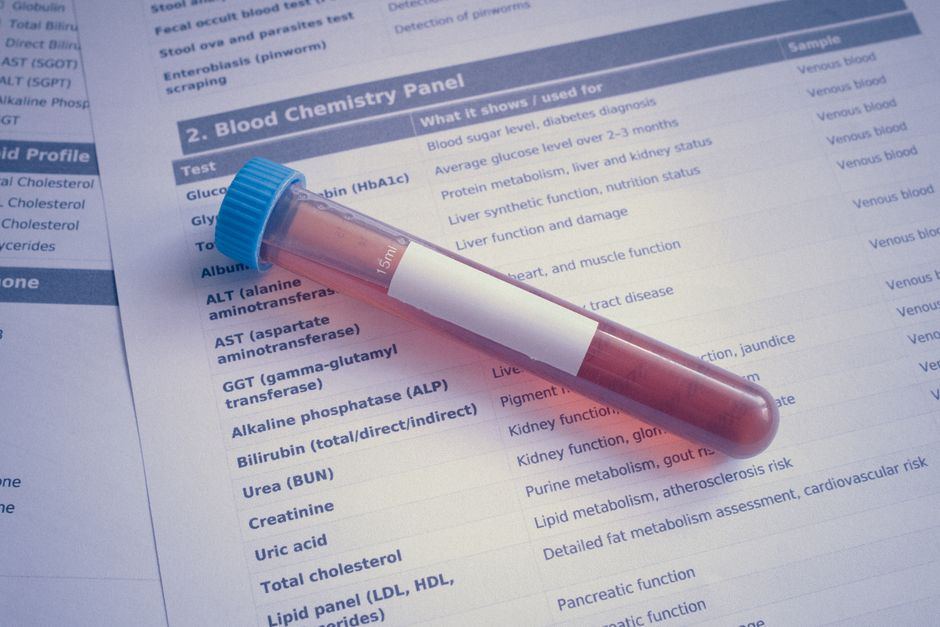
An STD test is not one single test. It is a set of different tests chosen based on what a clinician is looking for, and those tests use different body samples. A blood draw checks for infections that circulate in your bloodstream, like HIV and syphilis. A urine sample is common for gonorrhea and chlamydia. A swab collects cells or fluid directly from a site like the throat, rectum, cervix, or a sore, and it is often the most accurate way to test that specific spot.
No single sample can detect every sexually transmitted infection. That is the most important thing to understand before you get tested. What gets collected depends on your anatomy, your symptoms, and what you have been exposed to.
What Does An STD Test Consist Of Blood Urine Swabs?
These three sample types cover different infections because the organisms that cause them live in different places. Blood carries antibodies and some infections throughout the body. Urine passes through the urethra, so it can pick up bacteria living there. Swabs sample a surface directly.
Here is how the main sample types line up with common infections.
| Sample Type | Commonly Used For | Notes |
|---|---|---|
| Blood draw | HIV, syphilis, hepatitis B, hepatitis C, herpes (antibody test) | Detects infection anywhere in the body, not just one site |
| Urine sample | Gonorrhea, chlamydia, trichomoniasis | Usually a “first-catch” sample, not midstream |
| Swab | Gonorrhea, chlamydia, trichomoniasis, herpes, HPV | Collected from throat, rectum, cervix, vagina, urethra, or a sore |
A swab is not one thing either. A throat swab, a rectal swab, and a cervical swab are all swabs, but they test different sites. This matters because an infection can be present in one place and not another.
Why Does the Same Infection Sometimes Need a Swab Instead of Urine?
Location changes everything. A urine test for chlamydia works well for a genital infection in the urethra. It does not reliably detect a chlamydia infection in the throat or rectum, because those bacteria are not being flushed into the urine.
This is where people get confused. Someone gets a “clean” urine test and assumes they are clear everywhere. That is not how it works. If you had oral or anal sex, a urine test alone may miss an infection at those sites.
For this reason, some clinics take swabs from the throat and rectum in addition to a urine sample, based on the sexual history you report. The swab is not a more advanced test. It is simply sampling the right place.
Herpes is a good example of site mattering too. A swab taken directly from an active sore can confirm herpes. A blood test looks for antibodies instead, which tells you whether you have been exposed at some point, not whether a current sore is herpes.
What Does a Blood Test Actually Detect?
Blood tests detect infections that spread through the body or leave a trace in the bloodstream. They work in two main ways.
- Antibody tests look for your immune system’s response to an infection. HIV, syphilis, and herpes are often detected this way.
- Antigen or nucleic acid tests look for pieces of the organism itself. These are used for HIV, hepatitis B, and hepatitis C.
The timing problem with blood tests is the window period. After exposure, it takes time for the body to produce antibodies or for the organism to reach detectable levels. Test too early and you can get a negative result even though you are infected.
Window periods differ by infection and by the specific test used. HIV, for example, is detected sooner by newer combination tests than by older antibody-only tests. Syphilis and hepatitis also have their own timelines. If you are tested soon after a possible exposure, a clinician may recommend repeat testing later. That is not a reason to skip testing. It is a reason to follow the timing advice you are given.



How Is a Urine Sample Collected, and Why Does It Matter?
For gonorrhea and chlamydia, the urine sample is usually a first-catch sample. You collect the first part of your urine stream, not the middle. This is because the bacteria are most concentrated near the opening of the urethra, and the first urine washes them out.
If you collect a midstream sample instead, the test can miss an infection that is actually there. So the instructions you are given are not arbitrary. Follow them.
Urine testing is convenient and painless, which is why it is used so often. Its main limitation is that it only reflects what is in the urethra. It says nothing about the throat or rectum.
Some clinics also use urine to test for trichomoniasis. For women, a vaginal swab may be used instead, and it can be more sensitive for that infection.
What Happens During a Swab Test?
A swab is a soft, thin stick used to collect cells or fluid from a surface. Where it goes depends on what is being tested.
- Throat swab: swabbed at the back of the throat, similar to a strep test.
- Rectal swab: a brief swab just inside the rectum.
- Cervical or vaginal swab: collected during a pelvic exam, sometimes by the patient themselves.
- Urethral swab: a swab at the opening of the urethra, less common now that urine testing is available.
- Lesion swab: a swab taken directly from a sore or blister.
Swabs can feel briefly uncomfortable, but they are quick. Some clinics now offer self-collection for certain swabs, which many people find easier. Whether self-collection is available depends on the clinic and the test.
Swabs are often the most accurate sample for the site they are taken from. A throat swab is the right test for a throat infection. A urine test is not a substitute for it.
Does Testing Differ for Men and Women?
Yes, in some cases. The infections are the same, but the sample collection can differ based on anatomy.
For men, a urine sample is the standard for gonorrhea and chlamydia. For women, either a urine sample or a vaginal swab can be used, and a pelvic exam may be part of the visit if there are symptoms or if other conditions need checking.
For both, blood tests for HIV and syphilis are the same. Swabs for throat and rectal sites are also the same when those sites are relevant.
What should not differ is the standard of care. Anyone who has had a possible exposure deserves accurate testing at the right sites. If you are unsure which tests you need, telling the clinician your full sexual history is what allows them to choose correctly. Leaving parts out can lead to missed infections.
How Long Do Results Take?
Turnaround time varies by test and by the lab. Some rapid tests, including certain HIV tests, can give results within about 20 minutes in a clinic setting. Standard lab tests for chlamydia, gonorrhea, and syphilis often take several days. Blood tests for hepatitis and some HIV tests can take longer.
Exact timing depends on the facility. Ask when you are tested so you know when to expect a call. If you do not hear back, follow up. A result that never reaches you is not a result.
What If You Test Positive?
Most sexually transmitted infections are treatable, and many are curable. Bacterial infections like chlamydia, gonorrhea, and syphilis are treated with antibiotics. Viral infections like HIV and herpes are managed with medication, and treatment can control the infection and reduce transmission.
Treatment specifics depend on the infection, the site, and current clinical guidance, which changes over time as resistance patterns shift. This is why treatment should come from a clinician rather than a general article.
One practical point: if you test positive for a bacterial infection, your sexual partners generally need testing and treatment too, even if they have no symptoms. This is called partner notification, and it helps prevent reinfection and further spread. Many clinics can help with this confidentially.
What Testing Cannot Tell You
A negative test is not a guarantee that you are infection-free. It means the specific tests you took did not detect the specific infections they look for, at that point in time.
Testing does not cover every possible infection. Some infections are not routinely screened for unless there is a specific reason. And a test taken during a window period can miss an infection that is actually present.
This is not a flaw in testing. It is a limit of what any single test can do. The way around it is matching the right tests to the right sites and the right timing, based on honest information about what you have been exposed to.
Frequently Asked Questions
Can an STD test be done with just a urine sample?
A urine sample alone can test for gonorrhea, chlamydia, and trichomoniasis, but it cannot detect HIV, syphilis, or hepatitis. Those require a blood test. If you had oral or anal sex, a urine sample may also miss infections at the throat or rectum.
How long after exposure should I get tested?
Timing depends on the infection because each has a different window period before it becomes detectable. Testing too early can give a false negative, so ask a clinician when to test based on your specific exposure.
Does a swab test hurt?
Swabs can cause brief discomfort, especially throat and urethral swabs, but they are quick. Many people find them more uncomfortable than painful. Some clinics offer self-collection for certain swabs.
Do I need to fast before an STD blood test?
Fasting is not required for standard STD blood tests like HIV or syphilis. If you are having other blood work at the same visit, such as a cholesterol or glucose panel, fasting instructions may apply to those specific tests.
