
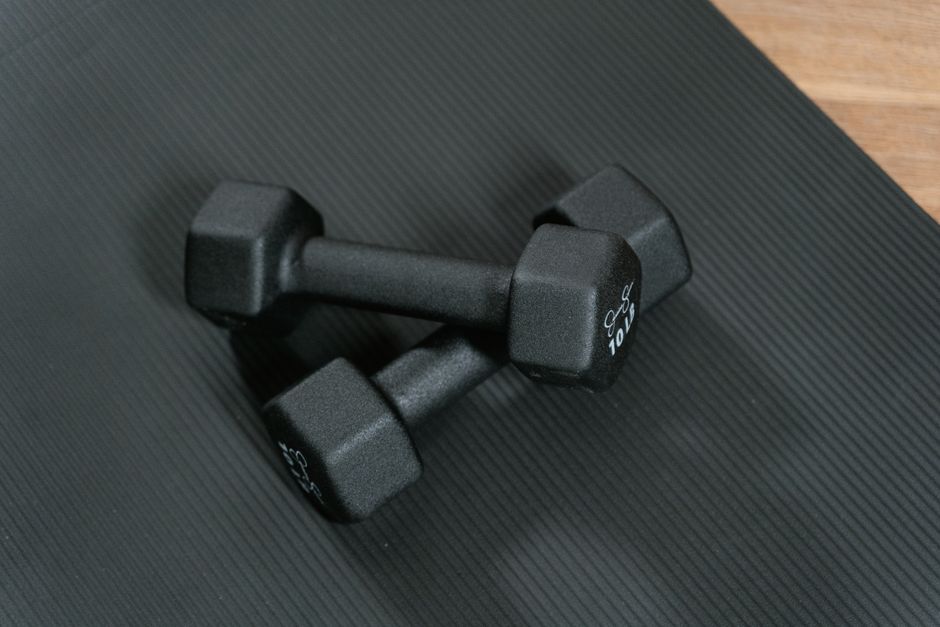
You wake up with a scratchy throat and a stuffy nose. Your gym bag is packed. You wonder if you should skip your workout or push through it. The short answer is: it depends on your symptoms. If your cold is above the neck — runny nose, sore throat, sneezing — light to moderate weight lifting is likely safe. If your symptoms are below the neck — chest congestion, fever, body aches — skip the gym entirely. This is not about being tough. It is about listening to what your body is telling you.
What Does the Research Say About Lifting Weights With a Cold?
Studies on exercise and illness are limited, but a few key findings stand out. Research published in the Journal of Strength and Conditioning Research found that moderate exercise does not worsen the duration or severity of a common cold. The study involved people with mild cold symptoms who exercised at moderate intensity for 40 minutes. Their recovery time was similar to those who rested.
Another well-known study from Ball State University looked at how the immune system responds during illness. The researchers found that moderate exercise may actually boost immune function temporarily. But this only applies when symptoms are mild and no fever is present. High-intensity exercise, on the other hand, can suppress the immune system and make you feel worse.
The “neck check” rule comes from sports medicine experts. If symptoms are above the neck only, exercise is generally considered safe. If symptoms include fever or chest congestion, rest is the better choice. This is not a hard science rule, but it is the best guideline we have from the available evidence.
How Do You Know If You Should Skip Your Workout?
Your symptoms are the best guide. Use this simple checklist before you decide to lift weights with a cold.
Symptoms that suggest it is safe to exercise:
- Runny nose
- Sneezing
- Mild sore throat
- Nasal congestion without fever
Symptoms that mean you should rest:
- Fever over 100.4°F
- Body aches or chills
- Chest congestion or cough
- Fatigue that makes standing feel hard
- Stomach issues like nausea or diarrhea
The CDC reports that most people with a cold recover in 7 to 10 days. Pushing through a fever or body aches does not speed up that timeline. It can actually slow your recovery down. Your body is already working hard to fight the virus. Adding a heavy workout adds stress that your immune system does not need.
What Happens to Your Body When You Lift With a Cold?
When you have a cold, your immune system releases proteins called cytokines. These help fight the infection but also cause inflammation and fatigue. Your body temperature may be slightly elevated even without a fever. Your heart rate may be higher than normal during exercise.
Lifting weights with a cold changes how your muscles respond. Research shows that muscle protein synthesis — the process that builds muscle — is reduced during illness. Your body prioritizes immune function over muscle repair. This means your workout may not produce the results you expect. You might feel weaker and recover more slowly.
Some people report feeling better after a light workout because of the endorphin release. This is real, but it does not mean you should push hard. A short walk or a few light sets of an upper body exercise may lift your mood. But heavy deadlifts or a high-volume leg day are not a good idea when you are sick.





Should You Lift Weights With a Cold and What Intensity Is Safe?
If your symptoms pass the neck check, you can still go to the gym. But you need to adjust your plan. This is not the time to chase a personal record or try a new heavy lift. The goal is maintenance, not progress.
Drop your usual weight by 30 to 50 percent. Reduce your total sets and reps. Shorten your workout time to 30 minutes or less. Pay attention to how you feel during the first few minutes. If your energy drops or symptoms worsen, stop and go home. There is no shame in that.
A comparison table can help you decide what to do:
| Your Symptoms | What to Do | Example Workout |
|---|---|---|
| Mild runny nose, no fever | Light to moderate exercise is okay | 3 sets of 10 reps at 50% normal weight |
| Sore throat without fever | Light exercise, avoid heavy breathing | Upper body only, low intensity |
| Fever, body aches, chest congestion | Rest completely | No workout, focus on sleep and fluids |
| Fatigue but no other symptoms | Listen to your body, light movement only | 15-minute walk or gentle stretching |
One non-obvious point: your perception of effort changes when you are sick. A weight that normally feels moderate may feel heavy. This is because your nervous system is also affected by the infection. Do not trust your usual sense of how hard something should feel. Go by how it actually feels today.
What Are the Risks of Lifting Weights With a Cold?
The biggest risk is making yourself sicker. Intense exercise temporarily suppresses the immune system. For a healthy person, this effect lasts a few hours and is not a problem. For someone already fighting an infection, that window of immune suppression can allow the virus to spread further in your body.
There is also the risk of injury. When you are sick, your coordination and reaction time may be slightly off. You are more likely to lose form on a lift. Dropping a weight or straining a muscle is more likely when you are already fatigued. The American College of Sports Medicine advises against heavy resistance training during illness for this reason.
Another risk is spreading the virus to others. Gyms are shared spaces with equipment that gets touched by many people. Even if you wipe down machines, you are breathing in close quarters. If you have cold symptoms, you are contagious. Staying home protects others.
What to Avoid When You Are Sick and Want to Work Out
Some common advice about exercising with a cold is wrong or unhelpful. Here is what to avoid.
Do not try to “sweat out” your cold. This is a myth. Sweating does not flush out a virus. It can actually dehydrate you, which makes your immune system work harder. There is no evidence that raising your body temperature through exercise helps you recover faster.
Do not take cold medicine before a workout. Many cold medications contain ingredients that raise your heart rate. Decongestants like pseudoephedrine can make your heart work harder during exercise. Combined with the natural increase in heart rate from being sick, this can be risky. If you need medication to feel well enough to exercise, you probably should not be exercising.
Do not assume you can train through a fever. A fever is a sign that your body is fighting a systemic infection. Exercising with a fever can increase the risk of myocarditis, an inflammation of the heart muscle. This is rare but serious. The American Heart Association notes that viral infections are a common cause of myocarditis. Adding exercise to a fever raises that risk.
When Can You Return to Normal Training After a Cold?
Once your symptoms are gone, do not jump back to your full routine immediately. Your body needs a few days to recover fully. The general guideline is to wait until you have been symptom-free for 24 to 48 hours without using medication.
When you return, start at about 60 to 70 percent of your normal intensity. See how you feel the next day. If your energy is good and symptoms have not returned, you can increase gradually. It usually takes about a week to get back to your previous level after a cold. Do not rush it.
Some people report feeling weak for a few days after a cold even when symptoms are gone. This is normal. Your immune system has been working hard and your energy stores may be low. Eating well and sleeping enough will help you recover faster than any workout will.
If you had a fever or chest congestion, give yourself more time. A full week of rest after a fever is a reasonable guideline. Your heart and lungs need time to return to normal function. Pushing too soon can lead to a relapse.
Frequently Asked Questions
Can I lift weights if I have a cold but no fever?
Yes, if your symptoms are above the neck like a runny nose or mild sore throat. Reduce your weight and keep the workout short.
Will lifting weights with a cold make me sicker?
It can if you exercise at high intensity or while you have a fever. Light to moderate exercise with mild symptoms is unlikely to make things worse.
How long should I wait to lift after a cold?
Wait until you have been symptom-free for 24 to 48 hours without medication. Start at about 60 percent of your normal intensity.
Is it safe to lift weights with a cough?
A cough means the virus has reached your chest or airways. It is best to rest until the cough improves to avoid straining your lungs.
