
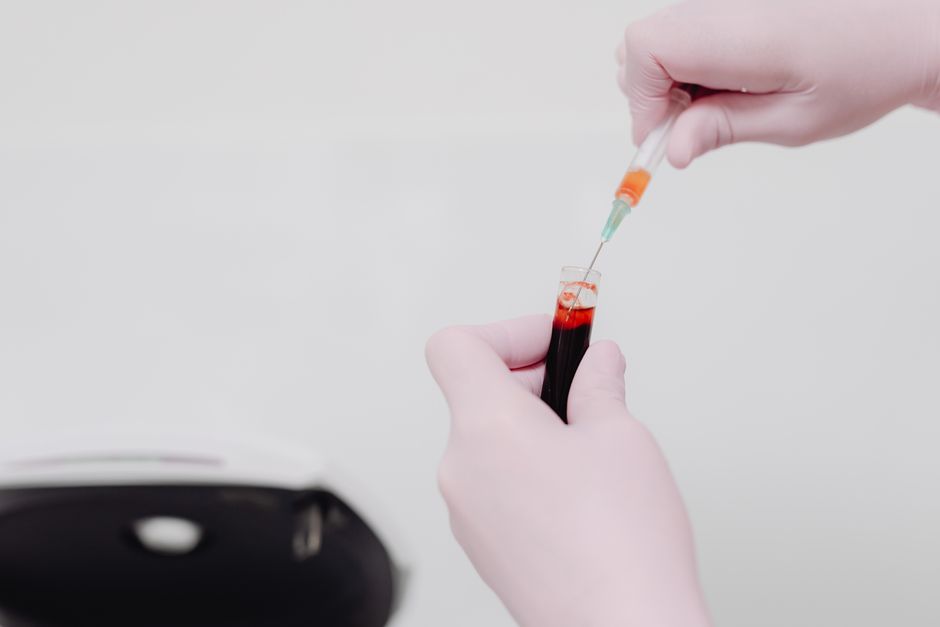
A cold can make a routine blood test feel like another chore you’d rather skip. But the real question is whether being sick changes your results enough to matter. The short answer: you can usually have a blood test with a cold, but some results may be temporarily off. The bigger issue is whether your doctor needs accurate numbers right now or can wait a week or two.
Should You Have A Blood Test With A Cold?
Yes, in most cases you can have a blood test with a cold. A common cold is a mild viral infection that typically affects your nose and throat. It does not usually interfere with the safety of having blood drawn.
But “safe” and “accurate” are two different things. A cold can temporarily change certain blood values. That matters if your test is meant to check for something specific, like inflammation or infection markers.
The safest approach is to ask your doctor’s office. They know why the test was ordered and whether a cold would affect the results. If you cannot reach them, most routine tests can be postponed until you feel better.
How A Cold Affects Your Blood Test Results
A cold triggers an immune response. Your body releases white blood cells to fight the virus. This can change your complete blood count, often called a CBC.
Your white blood cell count may be slightly elevated. This is your body doing its job. But an elevated white blood cell count can also point to a bacterial infection. If your doctor is testing to rule out a bacterial infection, a cold could muddy the picture.
Inflammation markers like C-reactive protein, or CRP, can also rise during a cold. CRP is a protein your liver makes in response to inflammation. Even a mild viral infection can nudge it upward. If your doctor is monitoring chronic inflammation, like from rheumatoid arthritis, a cold could make the numbers look worse than your baseline.
Some research suggests that even mild infections can affect liver enzyme levels. These are often checked to evaluate liver health. A cold is unlikely to cause a dramatic spike, but small temporary shifts are possible.
Which Blood Tests Are Most Likely To Be Affected
Not every blood test is sensitive to a cold. Understanding which ones are can help you decide whether to reschedule.
- Complete blood count (CBC): White blood cell count and differential can shift during any infection.
- C-reactive protein (CRP): This inflammation marker can rise with a cold.
- Erythrocyte sedimentation rate (ESR): Another inflammation marker that may be temporarily elevated.
- Liver function tests: Mild, temporary elevations are possible but not common.
Tests that are usually unaffected include cholesterol panels, hemoglobin A1c for diabetes, thyroid function, and most vitamin levels. These measure long-term trends or stable values that a short viral illness is unlikely to change.
Blood cultures are different. If your doctor suspects a serious bacterial infection in your blood, they need to draw samples before starting antibiotics. A cold does not change that decision. This test is looking for bacteria in the bloodstream, not for cold viruses.



When You Should Reschedule Your Blood Test
There are situations where waiting is the smarter choice. If your test is for monitoring a chronic condition, a cold could give you misleading numbers. You might leave the appointment thinking your condition has changed when it has not.
Consider rescheduling if you have:
- A fever above 100.4°F (38°C)
- Body aches or chills
- A test that measures inflammation, like CRP or ESR
- A test to diagnose a bacterial infection
- A doctor who specifically wants a “baseline” reading
A fever is a stronger signal than a runny nose. It suggests your immune system is working harder. Your blood counts and inflammatory markers may be further from your normal range.
Timing matters too. The early days of a cold, when symptoms are worst, are when blood changes are most likely. As you recover, your values usually return to normal.
When You Should Keep Your Appointment
Some blood tests are time-sensitive. Delaying them can cause more problems than a slightly altered result.
Keep your appointment if you are:
- Monitoring a medication that requires regular blood levels, like certain heart or seizure medications
- Receiving chemotherapy or other treatments that require frequent blood monitoring
- Checking for anemia that is causing significant symptoms
- Getting pre-surgical blood work with a scheduled surgery date
- Testing for a condition where early detection changes treatment, like kidney function in someone with diabetes
In these cases, the benefit of getting results now usually outweighs the risk of a mild temporary change. Your doctor can interpret the results knowing you had a cold.
What To Tell The Lab Or Your Doctor
Be upfront about your symptoms. Do not try to hide a cold because you want to get the test over with.
Tell the person drawing your blood that you have a cold. Tell your doctor too. This information helps them interpret your results correctly. A slightly elevated white blood cell count means something different if they know you have a viral infection.
If you are taking cold medications, mention those as well. Some over-the-counter cold remedies can affect certain lab values. For example, high doses of acetaminophen can affect liver enzyme tests. Decongestants can affect blood pressure readings but rarely affect blood tests.
Write down what you have taken and when. Bring that list to your appointment. It takes thirty seconds and can prevent confusion later.
What The Science Actually Shows
The research on how colds affect blood tests is limited. Most studies focus on more serious infections or specific conditions. But the general picture is clear: acute infections cause temporary changes in some blood values.
Evidence indicates that white blood cell counts can rise during viral infections. The type of white blood cell that increases often differs between viral and bacterial infections. Viral infections tend to raise lymphocytes, while bacterial infections often raise neutrophils. But this is not a perfect rule, and many people do not fit the typical pattern.
Some studies suggest that CRP levels can rise within hours of an infection starting. This makes CRP a sensitive but non-specific marker. It tells your doctor that inflammation is present but not what is causing it.
No large clinical trials have specifically examined how a common cold affects routine blood panels. The guidance in this article comes from established knowledge about immune responses and clinical experience. That is honest context for what is known and what is not.
Practical Steps Before Your Blood Test
If you decide to go ahead with your blood test, there are a few things you can do to get the most accurate results.
Stay hydrated. Dehydration can concentrate your blood and affect certain values. Drink water before your test unless your doctor has told you to fast.
Tell the lab about any medications you have taken in the past 24 hours. This includes prescription drugs, over-the-counter remedies, and supplements.
If you have a fever, consider calling your doctor first. A fever may signal something more than a cold. Your doctor might want to evaluate you before running routine labs.
Do not exercise heavily before your test. Intense exercise can temporarily elevate some blood values, including white blood cell count and muscle enzymes. A cold already puts stress on your body. Adding a workout could compound the effect.
Frequently Asked Questions
Can a cold affect my white blood cell count?
Yes, a cold can temporarily raise your white blood cell count. This is a normal immune response to fighting the virus.
Should I reschedule my blood test if I have a fever?
It is generally wise to reschedule if you have a fever above 100.4°F (38°C). A fever indicates a stronger immune response that may skew your results further from baseline.
Can I take cold medicine before a blood test?
You can, but tell the lab and your doctor what you have taken. Some cold medications can affect certain blood values, such as acetaminophen affecting liver enzymes.
How long after a cold should I wait to get blood work done?
Most doctors suggest waiting until you are symptom-free for a few days to a week. This allows your blood values to return to your normal baseline.
