
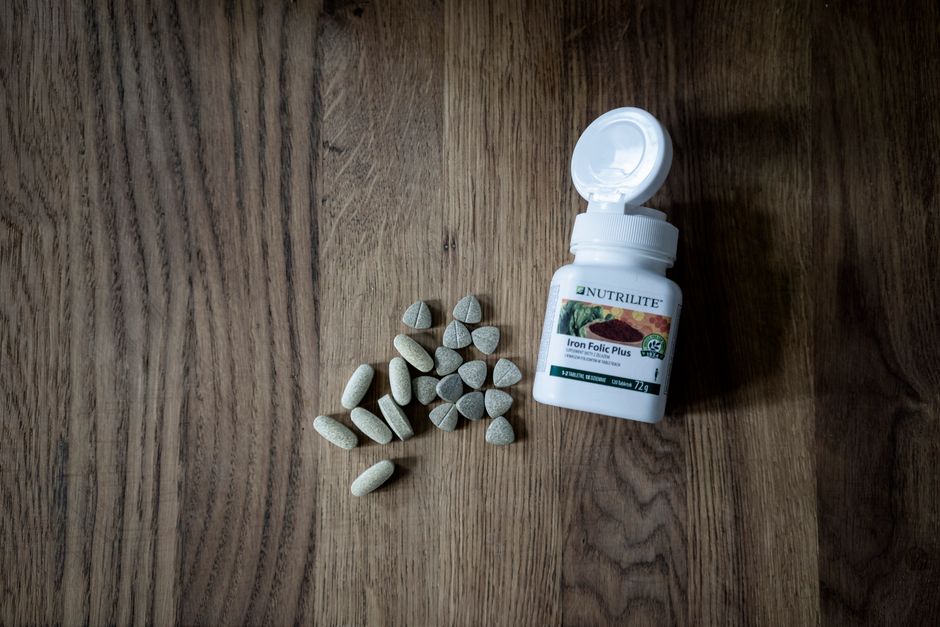
A high folate level on a blood test usually means there is more folate (vitamin B9) in your blood than the reference range used by your lab. In most cases, this reflects recent intake from food or supplements rather than a disease. The main reason doctors pay attention to it is different: high folate can sometimes signal an underlying problem, especially a vitamin B12 deficiency, that the folate result itself is masking.
What Does A High Folate Level Mean on a Blood Test?
A high folate result means your measured blood folate is above the upper end of your laboratory’s reference range. Reference ranges vary between labs, so the exact cutoff is not universal. What counts as “high” at one lab may be normal at another.
On its own, a high folate level is rarely a sign of a medical problem caused by folate itself. Folate is water-soluble. The body does not store large amounts of it, and excess amounts are generally excreted in urine. This is why folate toxicity from food alone is not a recognized clinical concern.
The finding matters because of what it can hide or reflect. There are three main possibilities:
- Recent intake. You ate fortified foods, took a multivitamin, or took a B-complex supplement before the test.
- Masked vitamin B12 deficiency. High folate can correct the anemia caused by low B12 while the underlying nerve damage continues.
- A separate condition. Rarely, high folate is linked to liver, kidney, or certain blood disorders.
Most high folate results fall into the first category. But because of the second, your doctor will usually look at your B12 level and other markers before deciding the result is harmless.
What Causes a High Folate Level?
The most common cause is supplement use. Folate is in most multivitamins, many B-complex products, and prenatal vitamins. Folic acid, the synthetic form used in supplements and fortified foods, is absorbed well and can push blood levels above the normal range.
Fortified foods are a major dietary source in the United States. Since the late 1990s, enriched grains such as flour, rice, pasta, and cereal have been fortified with folic acid. This public health measure reduced neural tube defects, but it also means many people get substantial folate without realizing it.
Other causes include:
- Vitamin B12 deficiency. When B12 is low, folate can accumulate because the two vitamins share a metabolic pathway. This is one of the most important reasons a high folate result needs follow-up.
- Kidney problems. Reduced kidney function can affect how folate is cleared.
- Liver disease. Folate is stored and processed in the liver, so liver conditions can change blood levels.
- Certain blood disorders. Some conditions that affect red blood cell turnover can raise measured folate.
In many of these cases, the high folate is not the problem itself. It is a clue pointing to something else.
Can Too Much Folate Be Harmful?
Folate from food has not been shown to cause harm, even at high intakes. The concern applies mainly to folic acid from supplements and fortified foods, which behaves differently in the body than the natural folate found in leafy greens and legumes.
The clearest risk is masking a vitamin B12 deficiency. When B12 is low, the body cannot make red blood cells properly, leading to a type of anemia called megaloblastic anemia. Folic acid can correct the blood count and make the anemia disappear on paper, but it does not fix the nerve damage that B12 deficiency also causes. That nerve damage can become permanent if the B12 deficiency goes untreated.
This is why a high folate result alongside a low or borderline B12 result deserves attention. The folate is not the danger. The hidden B12 problem is.
There has also been research interest in whether very high folic acid intake could have other effects. Some studies have raised questions about high-dose folic acid and certain health outcomes, but the findings are mixed and not conclusive. The evidence does not currently support a clear causal link between high folic acid intake and harm in healthy people who have adequate B12. This remains an area of ongoing research.
A tolerable upper intake level exists for folic acid from supplements and fortified foods, but not for naturally occurring food folate. That distinction matters because the body handles the two forms differently.





How Is High Folate Different From Normal Folate?
Folate is measured in nanograms per milliliter (ng/mL) in the United States, though some labs report nanomoles per liter (nmol/L). The reference range varies by laboratory, but a typical normal range for serum folate is roughly 3 to 20 ng/mL. Values above the upper end are considered high.
What matters more than the number itself is the pattern across related tests. A single high folate value means little without context. Your doctor will typically look at several markers together.
| Test | What a High or Low Result Can Suggest |
|---|---|
| Serum folate | Recent intake; reflects short-term folate status |
| Vitamin B12 | Low B12 with high folate suggests masked deficiency |
| Methylmalonic acid (MMA) | Rises when B12 is low, even if folate is high |
| Homocysteine | Can rise with both B12 and folate deficiency |
| Complete blood count (CBC) | Shows anemia and red blood cell size |
Red blood cell folate is a separate test that reflects longer-term folate status. It is used less often than serum folate but can give a different picture.
When Should You Worry About a High Folate Level?
You generally do not need to worry about a high folate level caused by diet or supplements in a person with normal B12. The result is often just a reflection of intake.
You should take it seriously if it comes with any of the following:
- A low or borderline vitamin B12 level
- Symptoms of B12 deficiency, such as tingling or numbness in the hands and feet, balance problems, memory trouble, or fatigue
- Anemia or unusual red blood cell size on a complete blood count
- Signs of liver or kidney problems
The symptoms of B12 deficiency can develop slowly and are easy to dismiss. Numbness or tingling in the feet, trouble with balance, or changes in memory are not normal parts of aging and should be checked. If a high folate result is masking a B12 problem, catching it early matters because some nerve damage can become permanent if it is not treated.
This is the key point: the folate number is not usually the thing to worry about. The question is what it might be covering up.
What Should You Do Next?
Do not stop or change any supplement based on one blood test on your own. Talk to your doctor about what the result means in your specific situation.
In most cases, the next step is simple. Your doctor will likely check your vitamin B12 level and possibly other markers such as methylmalonic acid or homocysteine. These tests help show whether B12 is truly adequate or whether a deficiency is hiding behind the high folate.
If your B12 is normal and you feel well, a high folate result often needs no treatment. If you take a supplement containing folic acid, your doctor may ask about your dose and whether it is necessary. Prenatal vitamins, for example, contain folic acid for a specific reason, and that decision should be made with a clinician.
If a B12 deficiency is found, treating it is the priority. Treatment usually involves vitamin B12 replacement, and the form and route depend on the cause and severity. This is a decision for your doctor, not something to manage on your own.
One practical note: tell your doctor about all supplements you take, including multivitamins, B-complex products, and energy drinks or fortified foods. Many people do not think of these as affecting a blood test, but they often do.
Frequently Asked Questions
Is a high folate level dangerous?
A high folate level from food or supplements is not usually dangerous on its own because folate is water-soluble and excess amounts are excreted. The real concern is when high folate masks a vitamin B12 deficiency, which can allow nerve damage to progress untreated.
Can high folate mean low vitamin B12?
Yes, a high folate level can occur alongside a vitamin B12 deficiency because the two vitamins share a metabolic pathway. This is why doctors often check B12 when folate is high, since folate can hide the anemia that B12 deficiency causes.
Should I stop taking folic acid if my level is high?
Do not stop any supplement on your own based on a single test result. Talk to your doctor first, because the right decision depends on why you are taking it and what your B12 level shows.
What foods raise folate levels?
Leafy greens, legumes, citrus, and fortified grains are high in folate, and fortified foods contain the synthetic form called folic acid. These foods can raise blood folate, but food folate alone has not been shown to cause harm.
