
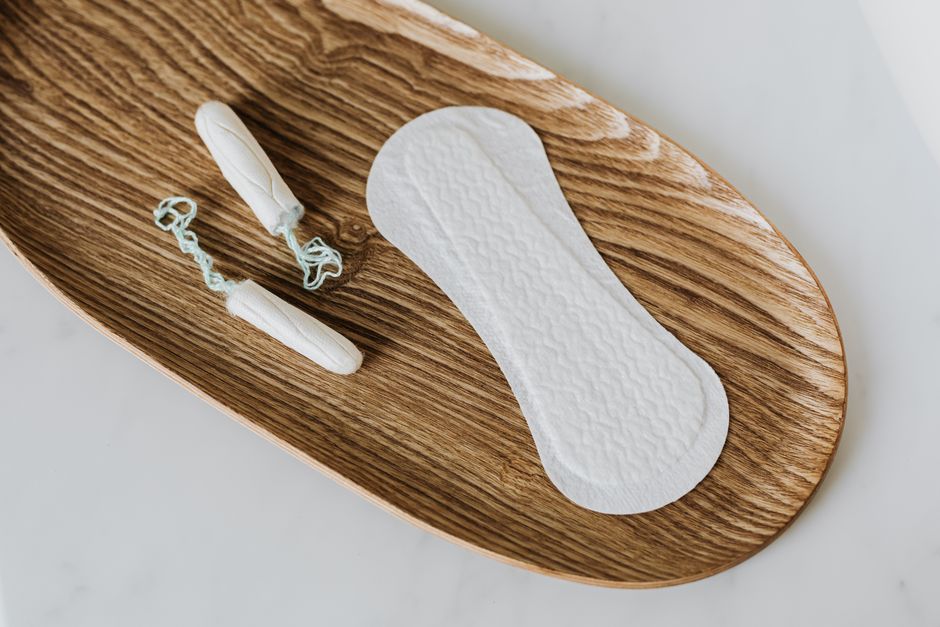
Flushing a tampon is one of those things that seems harmless in the moment but can cause serious problems later. The short answer is no—you should never flush tampons down the toilet. Tampons do not dissolve in water, and they are not designed to break down in plumbing or septic systems. Flushing them can clog pipes, damage sewer equipment, and harm the environment.
What Actually Happens When You Flush a Tampon?
Tampons are made from cotton, rayon, or a blend of both. Manufacturers design them to absorb fluid and hold their shape while inside the body. That same design makes them dangerous for plumbing.
Unlike toilet paper, which breaks apart in water within seconds, a tampon stays intact. It can absorb water and expand, but it does not disintegrate. When it travels through your pipes, it can get caught on rough edges, tree roots, or other debris already in the line. Once one tampon gets stuck, other waste builds up behind it. This creates a blockage that can back up sewage into your home.
Even if a tampon makes it past your home’s pipes, it still causes problems. Municipal sewer systems use pumps and screens to move wastewater. Tampons wrap around pump impellers and clog screens. This damages equipment and costs cities millions of dollars each year in repairs and maintenance.
Are Flushable Wipes or Tampons Labeled “Flushable” Safe?
No. Some tampon applicators and wrappers say “flushable,” but that label is misleading. The term “flushable” is not strictly regulated, and it does not mean the product will break down safely in the sewer system.
Research has shown that many products labeled “flushable” do not disintegrate quickly enough to avoid clogs. Some studies indicate that these products remain intact long after being flushed. The same applies to tampons that come with flushable applicators. The applicator may be made of paper or cardboard, but the tampon itself is not.
A better rule: if it did not come from your body or toilet paper, it does not go in the toilet. This includes tampons, pads, panty liners, condoms, wipes, and dental floss.
What If You Have a Septic System?
Flushing tampons is even worse for septic systems. A septic tank relies on bacteria to break down solid waste. Tampons are not biodegradable in that environment. They do not decompose like toilet paper does.
Instead, tampons float to the top of the tank and form a layer of scum. Over time, this layer thickens. It can clog the pipes leading to the drain field or force solids into the drain field where they do not belong. This can cause sewage to back up into your yard or your home. Repairing a damaged drain field can cost thousands of dollars.
If you have a septic system, the rule is even stricter. Only human waste and toilet paper should ever go down your drains.





How Much Damage Do Flushed Tampons Really Cause?
The damage is significant and well documented. Municipal water utilities across the United States report that items like tampons are among the most common causes of sewer blockages. These blockages can cause raw sewage to overflow into streets, basements, and waterways.
Environmental groups and wastewater treatment facilities have run public awareness campaigns about this exact issue. The message is consistent: tampons belong in the trash, not the toilet. Some cities have even passed ordinances with fines for flushing non-flushable items, though enforcement is rare.
Beyond the environmental and infrastructure costs, there is a personal cost. A plumber visit to clear a clogged toilet or drain line can cost anywhere from $150 to over $500 depending on the severity. If the blockage is deep in your main sewer line, the cost can be much higher.
What Is the Best Way to Dispose of Tampons?
The safest and most responsible way to dispose of a tampon is to wrap it in toilet paper or use the product’s wrapper and place it in the trash. This is what gynecologists and waste management professionals recommend.
If you are concerned about odor or discretion, many options exist. Small trash cans with lids in the bathroom are common. Biodegradable bags designed for menstrual products are available. Some people use diaper pails or specialized disposal bins. All of these are better than flushing.
For people who want to reduce waste entirely, menstrual cups and reusable cloth pads are alternatives that do not require flushing or disposal after each use. These products are not right for everyone, but they are worth knowing about if you are looking for options.
Should U Flush Tampons if You’re in a Public Restroom?
No. The same rules apply in public restrooms. The plumbing in public buildings is often older and more prone to clogs than residential plumbing. A single tampon can cause a blockage that shuts down a restroom for hours.
Public restrooms should have disposal bins in each stall. If a bin is not available, wrap the tampon in toilet paper and place it in the main trash can outside the stalls. It is never acceptable to flush a tampon just because you are away from home.
Some people worry that placing a used tampon in a trash can is unsanitary. It is not. Menstrual blood is not considered hazardous waste. It is a normal bodily fluid, and standard trash disposal is the accepted method for handling it.
What About Tampons and the Ocean or Beaches?
Flushed tampons that make it through the sewer system can end up in oceans, rivers, and lakes. Wastewater treatment plants are not designed to filter out tampons completely. Some pass through the system and are released into waterways.
Once in the environment, tampons do not biodegrade quickly. They can be mistaken for food by marine animals. Plastic applicators are an even bigger problem because they break into microplastics over time. These microplastics enter the food chain and have been found in fish and other sea life.
This is not a rare occurrence. Beach cleanup organizations consistently list tampons and applicators among the top items found on shorelines. The only way to prevent this is to dispose of tampons in the trash.
Frequently Asked Questions
Can one tampon really clog a toilet?
Yes, one tampon can cause a clog, especially in older or narrow plumbing. It may not clog immediately, but it can lodge in the pipe and catch other waste until a blockage forms.
Do tampons dissolve in water eventually?
No. Tampons are designed to hold their shape and absorb fluid, not to break apart. They can remain intact for weeks or months in plumbing and sewer systems.
Is it okay to flush tampons if I have a septic system?
No. Tampons do not break down in septic tanks and can cause serious damage to the tank and drain field. Only human waste and toilet paper should go into a septic system.
What should I do if I already flushed a tampon?
If the toilet flushes normally, you likely do not need to do anything. If you notice slow draining or gurgling sounds, call a plumber before the problem gets worse.
Flushing tampons is a habit worth breaking. The convenience of flushing is not worth the risk of a costly plumbing bill, a sewage backup, or damage to the environment. The trash can is the right place for tampons—every single time.
