
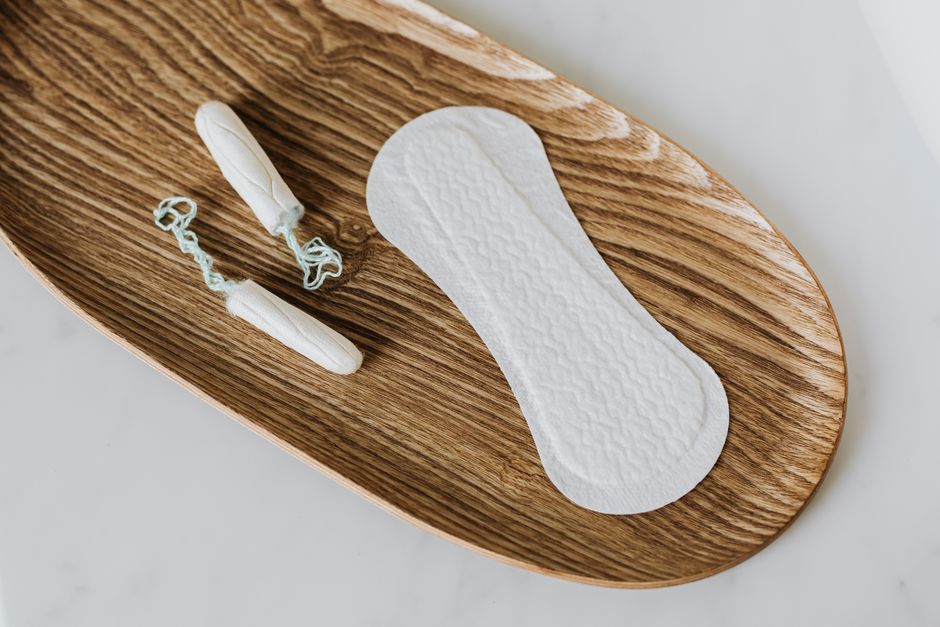
Many people who get periods wonder if their tampon is making their cramps worse. The short answer is no — tampons do not cause or worsen menstrual cramps. Cramps come from the uterus contracting to shed its lining, not from anything placed in the vagina. However, there are reasons some people feel more discomfort with tampons, and knowing the difference matters for your comfort and health.
What Actually Causes Menstrual Cramps?
Menstrual cramps — doctors call them dysmenorrhea — happen when the uterus contracts. These contractions help push out the uterine lining during your period. The driving force behind these contractions is a group of hormone-like substances called prostaglandins.
Prostaglandins are produced in the uterine lining. Higher levels of prostaglandins are linked to stronger and more frequent contractions. That is why people with heavier periods often have more intense cramps — they typically produce more prostaglandins. The pain is not coming from your vagina or cervix. It is coming from the muscle of the uterus itself.
This is an important point because it explains why a tampon, which sits in the vaginal canal, cannot directly affect the source of the cramping. The tampon is nowhere near the uterine muscle. It cannot increase prostaglandin production or make the uterus contract harder.
Why Tampons Can Feel Uncomfortable During Cramps
Even though tampons do not cause cramps, they can feel uncomfortable during a painful period. This is a different experience from cramps getting worse, but the distinction is easy to blur when you are in pain.
During your period, the cervix sits lower and the vaginal walls can become more sensitive. Inserting or removing a tampon can irritate this already tender tissue. Some people also notice that a tampon feels more noticeable during cramps because the pelvic floor muscles are tense. When you are in pain, you may unconsciously clench muscles in that area, which can make a tampon feel foreign or uncomfortable.
There is also a condition called vaginismus, where the pelvic floor muscles tighten involuntarily. People with this condition may find tampon insertion painful even without cramps. If tampons have always been painful to insert or remove, that is worth discussing with a healthcare provider — it is not a normal part of menstruation.
Can Tampons Cause Cramp-Like Pain?
In rare cases, a tampon can cause pain that feels like cramping. But the cause is not the tampon itself — it is what is happening with the tampon inside the body.
If a tampon is inserted incorrectly, it may press against the cervix. This can cause a sharp, cramp-like sensation. The cervix is sensitive, and pressure on it can trigger discomfort that radiates through the lower abdomen. Removing the tampon and inserting a fresh one more carefully usually resolves this quickly.
Another rare cause of cramp-like pain is toxic shock syndrome (TSS). TSS is a serious bacterial infection linked to tampon use, particularly when tampons are left in longer than recommended. Early symptoms include sudden fever, dizziness, and a sunburn-like rash. Abdominal pain can be part of the picture, but it is accompanied by other symptoms. TSS is rare — the risk is estimated at about 1 in 100,000 menstruating people — but it is serious. The best prevention is changing tampons every 4 to 8 hours and using the lowest absorbency that meets your needs.
If you experience severe cramping that feels different from your usual period pain, or pain accompanied by fever, vomiting, or dizziness, remove the tampon and seek medical attention.





Do Tampons Make Cramps Worse Compared to Pads?
There is no evidence that tampons make cramps worse than pads or menstrual cups. The pain pathway is the same regardless of what you use to collect the flow. Your choice of period product does not change prostaglandin levels or uterine contractions.
Some people report that their cramps feel different with different products, but this is likely related to comfort and sensitivity rather than the product changing the cramps themselves. For example, a menstrual cup creates suction against the vaginal walls. Some people find this suction uncomfortable, especially during cramps, while others prefer it. Neither product is changing the underlying mechanism of the pain.
One practical difference is worth noting. If you have a heavy flow and a tampon leaks, you may be changing it more often. Frequent insertion and removal can irritate the vaginal tissue, which can add a layer of discomfort on top of cramps. Choosing the right absorbency and changing tampons only when needed can reduce this irritation.
When Cramps Are Not Normal
Most menstrual cramps are uncomfortable but manageable. If your cramps are severe enough to interfere with daily life, that is not something to accept as normal. This is especially true if the pain has changed or gotten worse over time.
Some conditions can cause severe period pain. Endometriosis is one of the most common. In endometriosis, tissue similar to the uterine lining grows outside the uterus. This tissue responds to hormones and bleeds during your period, causing inflammation and pain. Uterine fibroids — noncancerous growths in the uterus — can also cause heavy bleeding and cramping. Adenomyosis, where the uterine lining grows into the uterine muscle, is another cause of severe cramps.
If your cramps consistently keep you from work, school, or daily activities, or if over-the-counter pain relievers do not help, talk to a healthcare provider. Severe period pain is a legitimate medical symptom, not a character flaw or something to push through.
It is also worth noting that the type of period product you use does not cause or treat these conditions. A tampon will not make endometriosis worse, and switching to a pad will not cure it. These conditions require proper medical evaluation and treatment.
How to Manage Cramps Effectively
If tampons are not the problem, what actually helps with cramps? Several approaches have solid evidence behind them.
Nonsteroidal anti-inflammatory drugs (NSAIDs) are the first-line treatment. Ibuprofen (Advil, Motrin) and naproxen (Aleve) work by blocking prostaglandin production. Since prostaglandins are the main driver of cramps, reducing them reduces pain. The key is timing — NSAIDs work best when taken at the first sign of pain or before your period starts if your cramps are predictable. Follow the dosing instructions on the label and do not exceed the recommended amount.
Heat therapy is another effective option. A heating pad or warm bath on the lower abdomen can relax the uterine muscle and reduce pain. Some research suggests heat therapy is as effective as ibuprofen for mild to moderate cramps.
Regular exercise is associated with fewer and less severe cramps. The mechanism is not fully understood, but regular physical activity may improve blood flow and reduce prostaglandin levels over time. Exercise during your period is safe for most people and may help more than resting.
Hormonal birth control is a common treatment for severe cramps. Birth control pills, the patch, the ring, and hormonal IUDs can reduce or eliminate periods, which reduces cramping. This is a prescription decision, so talk to a healthcare provider about whether this is right for you.
Frequently Asked Questions
Can a tampon cause cramps if it is inserted wrong?
A tampon inserted incorrectly can press against the cervix and cause sharp cramp-like pain, but this is not a true menstrual cramp. Removing and reinserting the tampon correctly usually stops the discomfort.
Do tampons make period pain worse than pads?
No evidence shows tampons worsen period pain compared to pads. Cramps come from uterine contractions, which are unaffected by the type of product you use.
Why do my cramps feel worse when I wear a tampon?
This is likely due to increased vaginal sensitivity and pelvic muscle tension during your period, not the tampon changing your cramps. If it happens consistently, consider trying a different product or discussing it with a healthcare provider.
Can wearing a tampon too long cause severe pain?
Leaving a tampon in too long increases the risk of toxic shock syndrome, which can cause abdominal pain along with fever and dizziness. Change tampons every 4 to 8 hours and seek medical attention if you develop these symptoms.
Do Tampons Make Cramps Worse? Guide — the answer is no. Tampons do not cause or worsen menstrual cramps. Cramps come from the uterus contracting due to prostaglandins, and a tampon in the vagina cannot influence that process. If tampons feel uncomfortable during your period, that is a sensitivity issue, not a cramp issue. If your cramps are severe, seek proper medical care rather than blaming your period product.
