
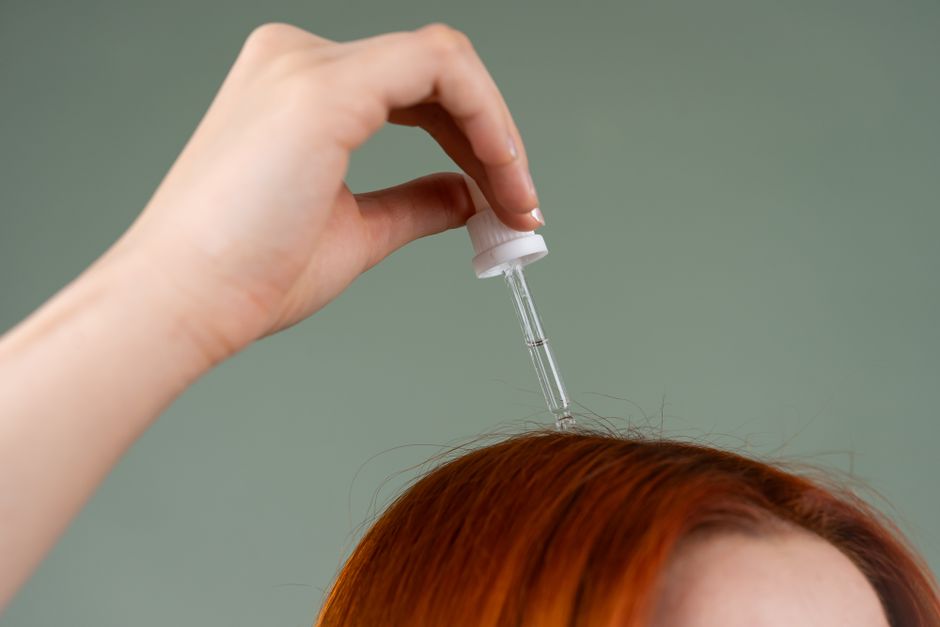
Hair dye is one of the most common cosmetic exposures in the United States, and the decision to use it usually comes down to two questions: how much do you care about covering gray or changing your color, and how much risk are you willing to accept for that result. The honest answer is that permanent hair dye is not risk-free, but for most healthy adults the risks are small and manageable. The bigger variables are the type of dye you choose, how often you use it, and whether you are pregnant or allergic to a key ingredient called PPD.
What Is Actually in Hair Dye?
Hair dyes fall into three broad categories, and the chemistry matters more than the marketing on the box.
Permanent dyes are the most aggressive. They use hydrogen peroxide and ammonia (or a similar alkaline agent) to lift the outer layer of the hair shaft, then deposit small precursor molecules that react inside the hair to form larger color molecules. Those molecules are too big to easily escape, which is why the color lasts until the hair grows out.
Semi-permanent and demi-permanent dyes sit on or just under the surface and wash out over several weeks. They generally use less peroxide, or none at all.
Temporary dyes coat the outside of the shaft and come out in one or two washes.
The ingredient that gets the most attention is para-phenylenediamine, usually listed as PPD. It is found in most permanent and many demi-permanent darker shades. PPD is a known skin sensitizer, meaning repeated exposure can train your immune system to react to it. Once that happens, the allergy tends to be permanent.
Should You Dye Your Hair If You Are Pregnant?
Most obstetric guidance does not require you to stop dyeing your hair during pregnancy, but it does suggest reducing exposure. The concern is not that hair dye is known to harm a fetus. It is that the evidence is incomplete.
Animal studies at high doses have raised questions about some dye chemicals. Human studies have generally not found a clear link between personal hair dye use and birth defects, but the research has real limitations. Most studies rely on people remembering how often they dyed their hair years earlier, which is not a precise measurement. Very few studies have enough participants to detect small effects.
If you want to be cautious, common clinical advice includes waiting until after the first trimester, using highlights or balayage so dye touches less scalp, choosing a semi-permanent or vegetable-based product, and applying in a well-ventilated space. None of these steps has been proven in a trial to reduce risk. They are reasonable harm-reduction choices, not established protective measures.
No clinical guidelines currently establish a safe number of dye applications during pregnancy. If you are pregnant and unsure, this is a conversation worth having with your own clinician rather than relying on a general article.
What Is the Link Between Hair Dye and Cancer?
This is where headlines have been loudest and the science is most easily misread.
The largest and most careful studies on personal hair dye use have generally not found a strong link to most cancers. A large prospective study published in The BMJ followed tens of thousands of US women for decades and found no significant association between personal permanent hair dye use and most cancers or cancer-related death. That is reassuring, but “no significant association” is not the same as “proven safe.”
A few signals have appeared in specific groups. Some studies have reported a modest increase in breast cancer risk among Black women who used permanent dye frequently, and some have reported associations with bladder cancer in people who worked with these chemicals professionally, such as hairdressers. These findings are not consistent across all studies, and modest associations in observational research can be caused by factors other than the dye itself.
The distinction between personal use and occupational use matters. A hairdresser applying dye to dozens of clients a week has a very different exposure profile than someone touching up their roots every six weeks.





Can You Suddenly Become Allergic to Hair Dye?
Yes, and it is more common than most people expect. You can use the same dye for years and then develop a reaction.
PPD allergy typically shows up as redness, swelling, itching, or blistering along the hairline, ears, and neck. In severe cases it can spread to the face. Reactions usually appear within 24 to 72 hours of application. Once sensitized, even a small amount can trigger a reaction, and the sensitivity generally does not go away.
This is why patch testing matters. Most permanent dye kits sold in the US include instructions to mix a small amount and apply it to a patch of skin, usually behind the ear or on the inner elbow, and wait 48 hours before dyeing. Most people skip this step. It is the single most useful thing you can do to avoid a serious reaction.
If you have ever had a reaction to a hair dye, do not try the same product again to “see if it still happens.” Seek medical care for a severe reaction, and tell any future colorist about the allergy.
Do “Natural” or “Gentle” Hair Dyes Actually Reduce Risk?
Not necessarily, and the label is doing a lot of work here.
Terms like “natural,” “herbal,” and “ammonia-free” are not regulated the way drug claims are. A product can be ammonia-free and still contain PPD or another sensitizer. Henna is a genuine plant-based option, but “black henna” is a different story. It often contains added PPD to intensify the color, and it has caused serious skin reactions. Pure red henna is generally better tolerated, though it can still cause reactions in some people.
Ammonia-free dyes often substitute another alkaline agent, such as ethanolamine. That may reduce the smell and scalp irritation for some users, but it does not mean the product is free of sensitizers or that it has been shown to be safer long-term.
How to Lower Your Exposure If You Decide to Dye
These steps are practical and low-cost. They are not proven to eliminate risk, but they reduce how much dye your body is exposed to.
- Do a patch test 48 hours before every application, even with a product you have used before.
- Keep dye off the scalp where possible. Highlights, balayage, and foils limit skin contact.
- Wear gloves and apply in a ventilated room, or outdoors.
- Follow the timing on the box. Leaving dye on longer than directed does not improve color and increases exposure.
- Rinse thoroughly with cool water until the water runs clear.
- Space out applications. Stretching the interval between touch-ups lowers cumulative exposure.
- Avoid dyeing if you have an open cut, rash, or irritated scalp.
If you have a known PPD allergy, avoid permanent and demi-permanent dyes entirely and talk to a dermatologist about options.
One thing worth knowing: the FDA does not pre-approve hair dye ingredients the way it approves drugs. Most color additives used in hair dye are not subject to the same pre-market review as food or drug ingredients. That does not mean the products are unsafe, but it does mean the burden of caution falls more on the user than it does with many other consumer products.
Is It Worth Dyeing Your Hair?
That depends on what you are weighing.
For most healthy adults, the evidence does not support a strong cancer risk from personal hair dye use. The more realistic concerns are allergic reactions, scalp irritation, and hair damage from repeated chemical processing. Those are common and well documented.
If you are pregnant, have a history of reactions, or dye your hair very frequently, the calculus shifts toward more caution. If you have a family history that concerns you or an existing skin condition, a dermatologist can give you a more personalized answer than any general article can.
Dyeing your hair is a personal choice with real but modest risks for most people. The goal is not to scare you out of it. It is to make sure you know what you are choosing.
Frequently Asked Questions
Is it safe to dye your hair while pregnant?
Most obstetric guidance does not require you to stop, but suggests reducing exposure by waiting until after the first trimester and limiting scalp contact. No clinical guidelines establish a safe number of applications during pregnancy.
Can hair dye cause cancer?
Large prospective studies have generally not found a strong link between personal hair dye use and most cancers. Some studies report modest associations in specific groups, but results are not consistent and cannot prove cause.
How do I know if I am allergic to hair dye?
A patch test 48 hours before dyeing is the most reliable way to check, since PPD allergy can develop after years of use. Signs include redness, swelling, or blistering along the hairline, ears, and neck.
Are ammonia-free or natural hair dyes safer?
Not necessarily. “Natural” and “ammonia-free” are not regulated claims, and these products can still contain PPD or other sensitizers. Pure red henna is a genuinely plant-based option, but “black henna” often contains added PPD.
