

Yes, there is protein in oat milk — but usually only about 2 to 3 grams per cup. That is roughly half of what you get from cow’s milk and far less than most soy or pea milk brands. So oat milk is a real source of protein, just a modest one.
For anyone using oat milk as a daily milk swap, that gap matters. This article breaks down the actual numbers, how oat milk compares to other plant milks, and what the protein in it does and does not do for your body.
How Much Protein Is in Oat Milk?
A standard cup of unsweetened oat milk contains about 2 to 3 grams of protein. Cow’s milk has about 8 grams per cup. Soy milk typically lands around 7 to 8 grams. Pea milk often sits near 8 grams.
Those numbers come from the basic nutrition labels you can read on the carton. They are not estimates. The exact amount varies a little by brand and by how the oat milk is made, but the range is narrow.
Here is a simple comparison per one-cup serving:
| Milk type | Protein per cup |
|---|---|
| Oat milk (unsweetened) | 2–3 g |
| Cow’s milk | 8 g |
| Soy milk | 7–8 g |
| Pea milk | 7–8 g |
| Almond milk | 1 g |
| Rice milk | 1 g |
Oat milk sits in the middle of the plant milk pack. It beats almond and rice milk easily. It falls well short of soy and pea.
Why Does Oat Milk Have So Little Protein?
Oats themselves are not a high-protein grain. A half-cup of dry oats has about 5 grams of protein. When you turn oats into milk, you use a small amount of oats and a lot of water.
The process works like this. Makers blend oats with water, then use enzymes to break down oat starch into sugars. That step gives oat milk its naturally sweet taste and creamy texture. The mixture is then strained to remove solids.
Most of the protein stays behind in the strained-out solids. What ends up in the liquid is mostly water, carbohydrates, and a small amount of fat. That is why the protein count is low.
Some brands add pea protein or other protein isolates to boost the number. If a carton shows more than 3 grams per cup, check the ingredient list. Added protein is usually the reason.
Is Oat Milk Protein Complete or Incomplete?
Oat protein is incomplete. That means it does not contain all nine essential amino acids in the amounts your body needs to build and repair tissue efficiently.
Oats are low in lysine, one of the essential amino acids. This is true of many grains, including wheat and rice. Soy, by contrast, is a complete protein. So are cow’s milk, eggs, meat, and fish.
Does that make oat milk a poor choice? Not necessarily. The idea that you must combine complementary proteins in a single meal has been largely revised. Your body maintains a pool of amino acids and can draw on what you eat across the day.
If you eat a variety of protein sources — beans, lentils, eggs, dairy, meat, tofu, nuts — the amino acid gap in oat milk is unlikely to matter much. It matters more if oat milk is a major part of your diet and your other protein sources are limited.



Who Needs to Pay Attention to Oat Milk Protein?
Some groups need to think about this more carefully than others.
- Vegans and vegetarians who rely on plant milks as a main drink may want to track total daily protein and choose higher-protein options like soy or pea milk.
- Older adults need adequate protein to help maintain muscle mass. Oat milk alone will not meet that need.
- Athletes and active people recovering from training usually need more protein than oat milk can provide per serving.
- Children have specific protein needs for growth. Cow’s milk or fortified soy milk is generally recommended over oat milk for young children, and parents should check with a pediatrician.
- People with diabetes may want to watch oat milk for a different reason — its carbohydrate content, not its protein.
For a healthy adult eating a mixed diet, oat milk’s low protein is rarely a problem on its own. It becomes one when it replaces a higher-protein drink without any adjustment elsewhere.
Does Oat Milk Have Other Nutritional Benefits?
Oat milk has real strengths. It is naturally free of dairy, nuts, and soy, which makes it useful for people with those allergies. It also has a creamy texture that many people prefer in coffee.
Most commercial oat milk is fortified with calcium and vitamin D. Fortification matters because it brings oat milk closer to cow’s milk for bone-related nutrients. Without fortification, oat milk is not a good source of calcium.
Oat milk also contains beta-glucan, a type of soluble fiber from oats. Beta-glucan is linked to heart health and cholesterol management in the research on oats as a food. The amount in oat milk is much lower than in whole oats, so do not assume a glass of oat milk delivers the same benefit as a bowl of oatmeal.
One thing to note: oat milk is higher in carbohydrates than most other plant milks. A cup can have around 15 to 20 grams of carbs, depending on the brand and whether it is sweetened. That is worth knowing if you are managing blood sugar.
How Does Oat Milk Compare to Other Plant Milks Overall?
Protein is only one measure. Here is how oat milk stacks up on the nutrients that usually matter most.
| Nutrient | Oat milk | Soy milk | Almond milk |
|---|---|---|---|
| Protein (per cup) | 2–3 g | 7–8 g | 1 g |
| Complete protein | No | Yes | No |
| Carbs (per cup) | ~15–20 g | ~4–8 g | ~1–2 g |
| Common allergens | Gluten (often) | Soy | Tree nuts |
Soy milk wins on protein and offers a complete amino acid profile. Almond milk is lowest in protein and carbs but also low in calories. Oat milk lands between them, with a texture many people find closest to dairy.
If protein is your priority, soy or pea milk is the better plant choice. If taste and texture matter most, oat milk is a strong option. If you want the lowest carbs, almond milk is the pick.
Can You Get Enough Protein if You Drink Oat Milk?
Yes, if you get protein from other foods. Oat milk does not need to carry that load by itself.
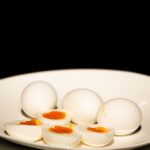
Consider what a cup of oat milk adds: about 2 to 3 grams. A single egg has about 6 grams. A half-cup of cooked lentils has about 9 grams. A three-ounce serving of chicken has around 20 to 25 grams. A cup of Greek yogurt can have 15 to 20 grams.
The practical takeaway is simple. Use oat milk for what it is good at — taste, texture, and coffee — and get your protein from foods that actually deliver it. If you want a plant milk that pulls more weight on protein, choose soy or pea.
No single food needs to do everything. The mistake is assuming oat milk is a protein source equal to dairy when the label says otherwise.
What Should You Look for on an Oat Milk Label?
Labels vary a lot between brands, so a quick check is worth the effort.
- Check the protein grams per serving. Anything above 3 grams per cup likely means added protein.
- Look for calcium and vitamin D on the nutrition panel. Fortified is better for bone health.
- Check added sugar. Sweetened oat milk can carry several grams of added sugar per cup.
- Check the carb count if you are watching blood sugar.
- Read the ingredient list for added oils and stabilizers if you prefer a shorter list.
The nutrition facts panel is the most reliable place to compare. Marketing words on the front of the carton tell you very little about what is inside.
Frequently Asked Questions
How much protein is in a cup of oat milk?
Most unsweetened oat milk has about 2 to 3 grams of protein per cup. Some brands add protein, so check the label for the exact amount.
Is oat milk a good source of protein?
It is a modest source, not a strong one. At 2 to 3 grams per cup, it provides far less protein than cow’s milk, soy milk, or pea milk.
Is oat milk protein complete?
No, oat protein is incomplete because it is low in the amino acid lysine. Eating a variety of protein foods across the day can fill that gap.
Is oat milk or soy milk better for protein?
Soy milk is clearly better for protein, with about 7 to 8 grams per cup versus 2 to 3 grams in oat milk. Soy also provides a complete protein.
