
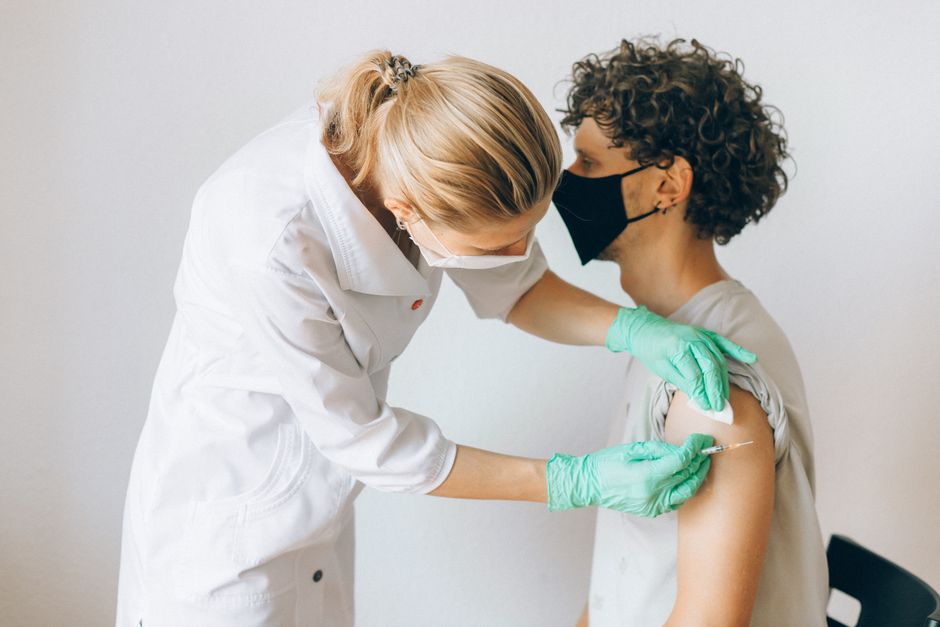
Yes, there is a highly effective vaccine for measles. It is called the MMR vaccine, which protects against measles, mumps, and rubella. The vaccine is safe, widely used, and has been the standard method of prevention for decades.
What Is the Measles Vaccine?
The measles vaccine is not a single standalone shot in most cases. It is usually given as part of the MMR vaccine, which combines protection against three diseases: measles, mumps, and rubella. There is also an MMRV version that includes varicella, the virus that causes chickenpox.
The vaccine contains a weakened form of the live measles virus. This is called a live attenuated vaccine. It does not cause measles in healthy people. Instead, it trains your immune system to recognize and fight the real virus if you are ever exposed to it.
Two doses of the MMR vaccine are recommended for full protection. The first dose is typically given at 12 to 15 months of age. The second dose is given at 4 to 6 years of age, usually before a child starts school.
How Effective Is the Measles Vaccine?
The measles vaccine is one of the most effective vaccines ever developed. A single dose is about 93 percent effective at preventing measles. Two doses are about 97 percent effective.
That level of protection matters because measles is extremely contagious. It spreads through the air when an infected person coughs or sneezes. The virus can remain in the air for up to two hours after the infected person leaves the room. About 90 percent of unvaccinated people who are exposed to measles will get it.
When enough people are vaccinated, the virus struggles to spread. This is called herd immunity. It protects people who cannot get the vaccine, such as infants too young to be vaccinated or people with certain medical conditions.
Measles was declared eliminated in the United States in 2000. That means no continuous transmission for 12 months or more. But it still arrives through international travel. Outbreaks happen when the virus reaches communities with low vaccination rates.
Who Should Get the Measles Vaccine?
The Centers for Disease Control and Prevention recommends that everyone over 12 months of age receive the MMR vaccine unless they have a medical reason not to. Here is who should get it:
- Children at 12 to 15 months for the first dose
- Children at 4 to 6 years for the second dose
- Adults born after 1957 who have no proof of immunity
- International travelers who have not been fully vaccinated
- College students, healthcare workers, and others in high-contact settings
Adults who are unsure whether they were vaccinated can have a blood test to check for immunity. Many adults who were vaccinated as children do not need a booster. Two doses provide lifelong protection for most people.
People born before 1957 are generally considered immune. Measles was so widespread then that most people had the disease naturally.



Who Should Not Get the Measles Vaccine?
Some people should not receive the MMR vaccine. These are important exceptions, not reasons to avoid vaccination for most people.
Pregnant women should not get the MMR vaccine. The vaccine contains a live virus, and the safety of live vaccines during pregnancy has not been established. Women who are planning to become pregnant should wait one month after vaccination before trying to conceive.
People with severe allergic reactions to any component of the vaccine should not receive it. This includes a severe allergy to gelatin or the antibiotic neomycin.
People with severely weakened immune systems should not get the vaccine. This includes people undergoing chemotherapy, organ transplant recipients, and people with advanced HIV infection.
If you are moderately or severely ill, your doctor may recommend waiting until you recover. A mild cold or low-grade fever is not a reason to delay vaccination.
What Are the Side Effects of the Measles Vaccine?
Like all vaccines, the MMR vaccine can cause side effects. Most are mild and short-lived. Serious side effects are rare.
Common side effects include soreness at the injection site, a mild fever, and a temporary rash. These usually appear 7 to 12 days after vaccination. A mild fever occurs in about 5 to 15 percent of people who receive the vaccine.
Some children develop a temporary joint pain or stiffness, more commonly in adults. This is more frequent in women who receive the vaccine. It usually resolves without treatment.
Severe allergic reactions are very rare. They occur in about one in a million doses. Febrile seizures, caused by fever, are also rare. They do not cause long-term harm.
The most important fact is this: the risks of measles itself are far greater than the risks of the vaccine. Measles can cause pneumonia, brain swelling, and death. Before the vaccine was introduced in 1963, about 400 to 500 people died from measles each year in the United States.
Why Did the Measles Vaccine Become a Controversy?
A 1998 paper published in The Lancet claimed a link between the MMR vaccine and autism. That paper was later retracted. The lead author lost his medical license after an investigation found he had falsified data and failed to disclose financial conflicts of interest.
Multiple large studies since then have found no link between the MMR vaccine and autism. One major study followed more than 650,000 children in Denmark for over a decade. It found no increased risk of autism in vaccinated children.
The evidence is clear and consistent. The MMR vaccine does not cause autism. The original claim was based on fraudulent research, and no credible study has ever reproduced it.
Despite this, the controversy persists. Measles outbreaks continue to occur in communities with low vaccination rates. In recent years, outbreaks have been reported in New York, California, Minnesota, and other states.
What Is the Difference Between Measles and German Measles?
Measles and German measles are different diseases caused by different viruses. They share a name but little else.
Measles, also called rubeola, causes a high fever, cough, runny nose, red eyes, and a distinctive red rash that spreads from the face downward. It can cause serious complications like pneumonia and encephalitis, a swelling of the brain.
German measles, also called rubella, is a milder illness. It causes a low fever and a rash that starts on the face and spreads downward. The main danger is to pregnant women. Rubella infection during early pregnancy can cause severe birth defects, including heart problems, deafness, and cataracts.
Both diseases are prevented by the same MMR vaccine. That is why the vaccine covers both.
What Should You Do If You Think You Have Measles?
If you think you have measles, call your doctor before going to the office. Measles is highly contagious, and you could expose others in the waiting room. Your doctor can arrange to see you in a way that limits exposure to other patients.
Measles symptoms usually appear 7 to 14 days after exposure. The classic signs are high fever, cough, runny nose, and red, watery eyes. A rash typically appears 3 to 5 days after symptoms begin, starting on the face and spreading downward.
There is no specific antiviral treatment for measles. Care focuses on managing symptoms and preventing complications. Most people recover within 2 to 3 weeks.
Vitamin A supplements are sometimes given to children with measles. The World Health Organization recommends this because vitamin A deficiency is associated with more severe disease. This is a treatment for active infection, not a preventive measure.
Is There a Vaccine for Measles in Adults?
Yes. Adults who were never vaccinated can receive the MMR vaccine at any age. There is no upper age limit.
Adults born after 1957 who have no proof of immunity should receive at least one dose. Adults at higher risk of exposure, such as healthcare workers and international travelers, should receive two doses.
If you had measles as a child, you are immune for life. You do not need the vaccine. If you are unsure whether you had measles or were vaccinated, a blood test can confirm your immune status.
Frequently Asked Questions
Can you still get measles if you are vaccinated?
Yes, but it is rare. Two doses of the vaccine are about 97 percent effective, meaning about 3 out of 100 vaccinated people may still get measles if exposed.
How long does the measles vaccine last?
Two doses provide lifelong protection for most people. Antibody levels may decline over time, but most vaccinated people remain protected.
Does the measles vaccine contain mercury?
No. The MMR vaccine has never contained thimerosal, a mercury-based preservative. Single-dose vials do not need preservatives.
Can pregnant women get the measles vaccine?
No. The MMR vaccine is a live vaccine and is not recommended during pregnancy. Women should wait at least one month after vaccination before becoming pregnant.
