
Yellow fever vaccine is available at designated yellow fever vaccination centers across the United States. These include many travel clinics, local health department clinics, and some hospital-based travel medicine practices. Costs typically range from $150 to $350, and most insurance plans do not cover the full cost. To find a clinic near you, use the CDC’s Yellow Fever Vaccination Clinic finder online.
Where can I get a yellow fever vaccine?
Only clinics certified as yellow fever vaccination centers can give the vaccine and issue the official International Certificate of Vaccination or Prophylaxis (ICVP) — often called the yellow card. The CDC maintains a searchable list of these centers on its website. Most are travel medicine clinics, county health departments, and some primary care offices that handle travel health.
Not all travel clinics offer yellow fever vaccine. Because the vaccine requires special storage, handling, and reporting, many smaller clinics do not stock it. Before making an appointment, confirm that the clinic is a designated yellow fever vaccination center. You can call ahead or use the CDC online search tool.
Some large pharmacy chains, such as CVS MinuteClinic or Walgreens, do not routinely offer yellow fever vaccine. A few may have it at select locations, but it is not standard. Your best bet is a dedicated travel clinic or a public health department with a travel immunization program.
How much does the yellow fever vaccine cost?
The cost of the yellow fever vaccine varies widely by location and clinic type. Expect to pay between $150 and $350 for the vaccine itself. Some clinics charge an additional consultation fee, which can range from $25 to $100, though many travel clinics include the consultation in the vaccine price.
Private travel clinics typically charge on the higher end. Public health departments often charge less, sometimes $150–200, but availability varies. Some employers or university health services may offer it at a reduced rate for employees or students.
Because the vaccine is live and must be given in a single dose, there is no generic version. The price reflects the cost of the vaccine, the clinic’s certification, and the administrative work of issuing the ICVP card.
Does insurance cover the yellow fever vaccine?
Most health insurance plans consider yellow fever vaccine a travel vaccine, not a routine preventive service. As a result, many plans do not cover it. Medicare Part B does not cover it. Some Medicare Advantage plans or private insurance plans may cover part of the cost if the vaccine is medically necessary, but that is rare.
If you have a health insurance plan that covers travel vaccines, check directly with your insurer. Ask whether yellow fever vaccine is covered, whether you need to use an in-network clinic, and whether a prior authorization is required. In most cases, you will pay the full cost out-of-pocket and the vaccine will not count toward your deductible.
Some clinics require payment at the time of service. If insurance reimbursement is possible, the clinic will give you a receipt you can submit to your insurer. Always ask about payment and insurance before scheduling.





Do I need the yellow fever vaccine before travel?
The yellow fever vaccine is required for entry into some countries in Africa and South America where yellow fever is present. Countries set their own entry requirements. The World Health Organization (WHO) and the CDC maintain current lists of countries that require proof of vaccination.
Even if a country does not require vaccination for entry, the CDC recommends vaccination for travelers going to areas with active yellow fever transmission. The risk of getting yellow fever is low for most travelers, but the disease can be severe. About 15% of people who get yellow fever develop serious illness, and up to half of those may die.
The vaccine is a live attenuated virus vaccine. It provides long-lasting protection. Since 2016, the WHO considers a single dose sufficient for lifetime protection for most people. However, some countries still require a booster dose every 10 years for entry. Check the specific requirements for your destination before you go.
When should I get the vaccine before my trip?
The yellow fever vaccine must be given at least 10 days before travel. The vaccine takes 10 days to produce enough immunity to meet international health requirements. The ICVP card is valid starting 10 days after vaccination.
If you are traveling to a country that requires proof of vaccination, your vaccination date must be at least 10 days before you arrive. Plan even further ahead if possible — some clinics have limited vaccine supply or appointment availability, especially during travel season. Schedule your appointment 4 to 6 weeks before departure to allow time for any delays.
There is also an age minimum. The vaccine is generally not recommended for infants younger than 9 months. In some cases it may be given to infants 6–8 months old if travel is unavoidable and the risk of yellow fever is high. The CDC has specific guidelines for this situation. Talk to a travel medicine specialist if you are traveling with an infant.
What should I expect when getting the vaccine?
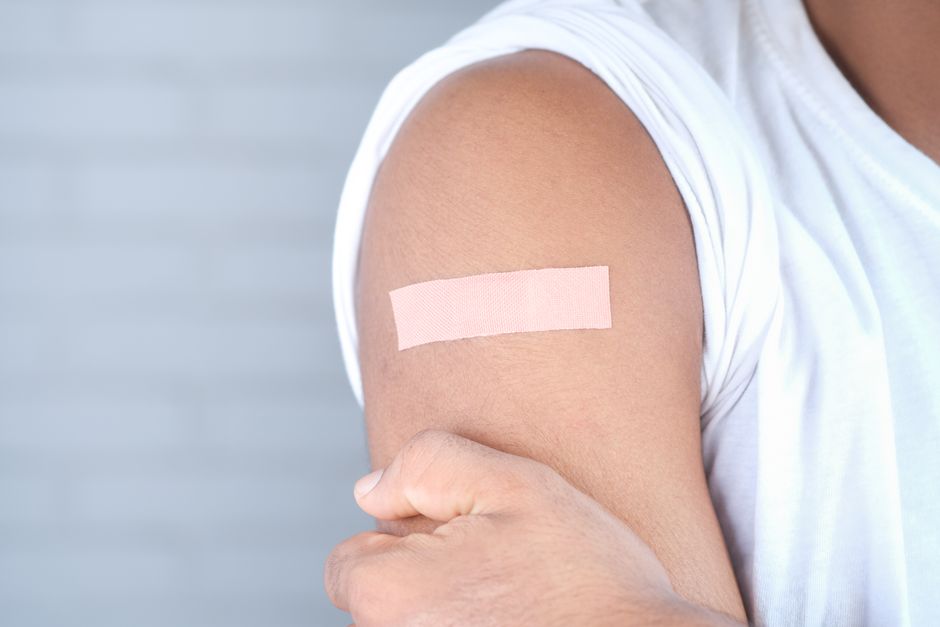
The yellow fever vaccine is given as a single injection under the skin (subcutaneous), usually in the upper arm. The injection is similar to other vaccines. The clinic will give you an ICVP card after vaccination. Keep this card with your passport — it may be required at border crossings.
Before the shot, you will likely fill out a health screening questionnaire. The clinic needs to confirm you have no contraindications — such as a weakened immune system, egg allergy, or age under 9 months. Pregnant women are generally advised to avoid the vaccine unless travel is unavoidable and the risk of yellow fever is high.
The clinic will also review your travel itinerary and advise on other needed vaccines like typhoid, hepatitis A, or routine boosters. Use the visit to catch up on any other travel health recommendations for your destination.
Are there side effects or risks?
Most people tolerate the yellow fever vaccine well. Mild side effects include soreness at the injection site, mild headache, low-grade fever, and muscle aches. These usually resolve within a few days. About 1 in 4 people report mild side effects.
Serious side effects are rare. The vaccine carries a small risk of a severe allergic reaction (anaphylaxis) — about 1 in 130,000 doses. There is also a rare risk of yellow fever vaccine‑associated neurologic disease (YEL‑AND) and yellow fever vaccine‑associated viscerotropic disease (YEL‑AVD). YEL‑AVD is a severe illness that mimics yellow fever infection; it occurs in about 1 in 200,000 to 1 in 300,000 doses, and risk is higher in people over 60 and those with thymus disorders.
Because of these risks, the vaccine is not recommended for everyone. Your clinic will assess your health history before giving the shot. If you have a medical condition that makes the vaccine risky, the clinic can provide a medical waiver letter that some countries accept in place of vaccination for entry.
How do I prove I had the vaccine?
The only accepted proof is the International Certificate of Vaccination or Prophylaxis (ICVP) — the yellow card. This card must be signed and stamped by a certified yellow fever vaccination center. The card includes your name, date of birth, date of vaccination, vaccine batch number, and the signature of the authorized clinician.
Keep the card in a safe place, but carry it with your passport when traveling to countries that require it. Some border officials will check it upon arrival. If you lose the card, only the original vaccination center can issue a replacement. There is no central database that stores vaccination records. Some clinics may have your record; others may not. Keep a photocopy or photo of your card as a backup.
Frequently Asked Questions
Can I get the yellow fever vaccine at a pharmacy like CVS or Walgreens?
Most pharmacy chains do not offer yellow fever vaccine because it requires special certification. A very small number of select locations may have it, but your best option is a designated travel clinic or health department.
Do I need a booster shot every 10 years?
The WHO and CDC consider a single dose sufficient for lifetime protection for most people. However, some countries still require a booster within the past 10 years for entry. Check your destination’s requirements.
How far in advance should I get the vaccine?
Get the vaccine at least 10 days before travel because the vaccine takes 10 days to provide full immunity. Booking 4 to 6 weeks ahead is recommended to ensure availability.
Is the yellow fever vaccine safe during pregnancy?
The vaccine is generally not recommended during pregnancy unless travel to a high‑risk area is unavoidable and the risk of yellow fever outweighs the vaccine risk. Discuss this with a travel medicine specialist.
