
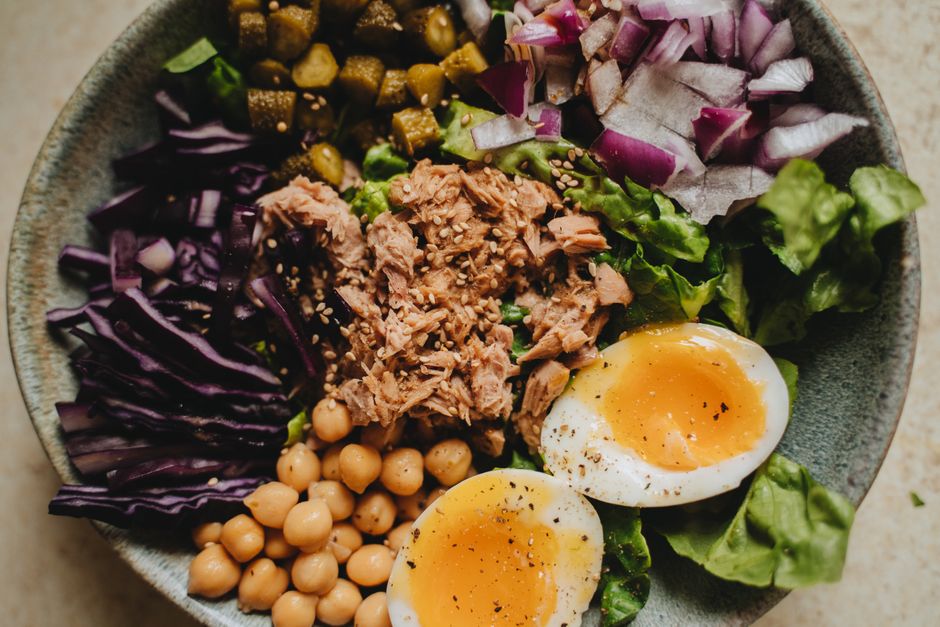
Yes, the tuna in a can is cooked before it is sealed inside. The canning process uses high heat to cook the fish and kill any harmful bacteria. You can eat canned tuna straight from the can without any additional cooking.
How Is Canned Tuna Cooked?
Canned tuna goes through a specific process before it ever reaches your pantry shelf. The fish is caught, cleaned, and then cooked using steam or hot air. This first cooking step removes moisture and prepares the fish for canning.
After this initial cooking, the tuna is placed into cans along with water, oil, or broth. The cans are then sealed and heated again in a pressurized vessel called a retort. This second heating step is what makes the product shelf-stable.
The retort process reaches temperatures high enough to destroy Clostridium botulinum spores, the bacteria that cause botulism. This is the same reason other canned foods like beans and vegetables are safe to eat without cooking. The heat treatment is not optional — it is a required food safety step.
Is Canned Tuna Raw or Cooked?
Canned tuna is fully cooked. Both the initial steam cooking and the retort sterilization ensure the fish is safe to eat straight from the can. The texture may look different from a seared tuna steak, but the fish has been completely cooked through.
Some people wonder if the tuna is only partially cooked because it looks pink or reddish inside the can. That color comes from the type of tuna and the cooking method, not from rawness. Albacore tuna is typically lighter in color, while skipjack tuna can appear darker or pinker. Neither is raw.
The cooking process also affects the texture. Canned tuna is flaky and soft because the high heat breaks down the fish’s connective tissue. This is why it is easy to mash with a fork for sandwiches or salads.
What Is the Difference Between Canned Tuna and Raw Tuna?
Raw tuna is sold fresh or frozen and must be cooked before eating unless it is specifically labeled sushi-grade. Sushi-grade tuna has been frozen at very low temperatures to kill parasites, making it safe to eat raw. Regular raw tuna from the grocery store has not been treated this way.
Canned tuna does not carry the same parasite risk. The canning process cooks the fish at temperatures that destroy parasites and bacteria. This is why canned tuna is considered safe for pregnant women, though they are advised to limit how much they eat due to mercury content.
Raw tuna has a firmer texture and a milder flavor compared to canned tuna. The canning process gives canned tuna its distinctive taste and softer texture. If a recipe calls for raw tuna, canned tuna is not a direct substitute because the textures are very different.



Is It Safe to Eat Canned Tuna Without Cooking?
Yes. Canned tuna is safe to eat directly from the can. The retort process ensures the fish is sterile inside the sealed can. Once you open the can, the tuna should be refrigerated and eaten within a few days.
The only safety concern with canned tuna is not the cooking — it is the mercury content. Tuna is a predatory fish that accumulates mercury in its tissues. Larger tuna species like albacore have higher mercury levels than smaller species like skipjack.
Health authorities recommend limiting canned tuna consumption, especially for pregnant women and young children. The general guidance is to choose light tuna over albacore and to vary the types of fish you eat. Specific limits depend on your age, weight, and whether you are pregnant.
If you are pregnant or feeding canned tuna to a child, follow the current guidelines from your healthcare provider or public health agency. These recommendations are based on mercury levels and are updated as new data becomes available.
Can You Cook Canned Tuna Again?
You can absolutely cook canned tuna again. Many recipes call for warming it up in casseroles, patties, or pasta dishes. Reheating canned tuna does not make it unsafe — it just changes the texture and flavor.
One thing to keep in mind: canned tuna is already cooked, so it does not need prolonged heating. Overcooking it can make it dry and rubbery. If you are making tuna melts or casseroles, add the tuna near the end of the cooking time so it just warms through.
Cooking canned tuna also changes its nutritional profile slightly. Some water-soluble vitamins may be lost during reheating, but the protein and omega-3 fatty acids remain intact. The difference is minor and not a reason to avoid cooking with canned tuna.
How Can You Tell If Canned Tuna Has Gone Bad?
Canned tuna has a long shelf life, but it does not last forever. Most cans have a best-by date printed on the label. Canned tuna can typically be stored for 3 to 5 years if the can remains undamaged and stored in a cool, dry place.
Do not eat canned tuna if the can is bulging, leaking, or rusted. These are signs that the seal may be broken and bacteria could have entered. A bulging can is a warning sign of gas production from bacterial growth — do not open it.
Once opened, canned tuna should be refrigerated in a covered container. It will stay fresh for about 3 to 4 days. If it develops a sour smell, a slimy texture, or an off taste, throw it out. Trust your senses — spoiled fish has a distinct and unpleasant odor.
Never taste canned tuna to check if it is still good. If you have any doubt about whether it is safe, discard it. Food poisoning from spoiled fish is not worth the risk.
Does Canned Tuna Lose Nutrients During Cooking?
The canning process does affect some nutrients, but canned tuna remains a nutritious food. Protein levels stay high — a typical serving of canned tuna provides a substantial amount of the protein you need daily. The omega-3 fatty acids, which are the main reason people eat tuna for health benefits, are largely preserved.
Heat does destroy some vitamins, particularly water-soluble B vitamins like thiamine and folate. The amount lost depends on the cooking time and temperature. However, canned tuna still contains meaningful amounts of several B vitamins, along with selenium, phosphorus, and vitamin D.
Sodium is one nutrient to watch. Canned tuna often has added salt, especially if it is packed in broth or brine. If you are watching your sodium intake, look for “no salt added” varieties or rinse the tuna after draining it. Tuna packed in water has fewer calories than tuna packed in oil.
The choice between water-packed and oil-packed tuna comes down to your goals. Water-packed tuna is lower in calories and fat. Oil-packed tuna has a richer flavor and may help your body absorb fat-soluble vitamins, but it adds calories. Both are fully cooked and safe to eat.
Frequently Asked Questions
Can you eat canned tuna raw?
Canned tuna is already cooked, so you can eat it straight from the can without any further preparation. It does not need to be cooked again.
Is canned tuna safe for pregnant women?
Yes, canned tuna is safe during pregnancy, but you should limit how much you eat due to mercury content. Light tuna has less mercury than albacore, and you should follow current public health guidance for specific limits.
Why does canned tuna look pink if it is cooked?
The pink or reddish color in canned tuna comes from the species of fish and the cooking process, not from rawness. Skipjack tuna is naturally darker than albacore, and both are fully cooked during canning.
How long does opened canned tuna last in the fridge?
Opened canned tuna stays fresh for about 3 to 4 days when refrigerated in a covered container. Discard it if it develops an off smell, slimy texture, or unusual color.
