
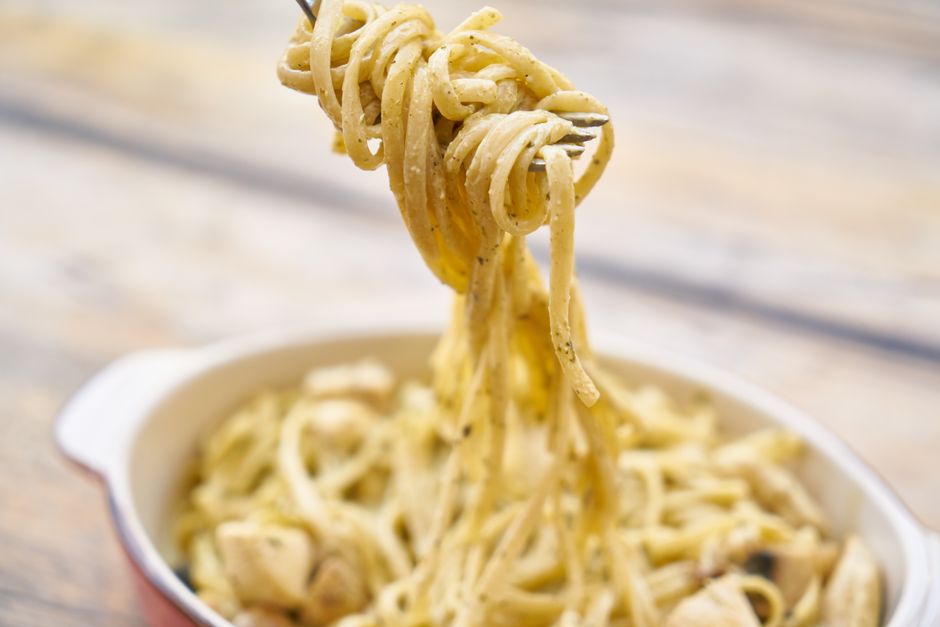
Cooked pasta stays safe in the fridge for 3 to 5 days. That is the standard recommendation from the USDA and food safety experts. After that window, the risk of bacterial growth increases even if the pasta looks and smells fine. Trust the timeline, not your senses.
How Long Can Cooked Pasta Stay In The Fridge Before It Goes Bad?
The short answer is 3 to 5 days. This applies to all types of cooked pasta — spaghetti, penne, fusilli, macaroni, and even fresh egg pasta. The clock starts ticking the moment the pasta finishes cooking and begins cooling.
Why 5 days? Because refrigerated temperatures at or below 40°F (4°C) slow down bacterial growth significantly. But they do not stop it entirely. After day 5, the bacteria that survive refrigeration can multiply enough to cause foodborne illness.
The USDA, which sets the standard for food storage guidelines in the United States, specifically states that cooked pasta should be used within 3 to 5 days. This is not a suggestion. It is a safety limit based on how quickly spoilage organisms and pathogens grow under refrigeration.
If you stored the pasta at room temperature for more than 2 hours before refrigerating, the 5-day window shrinks. The bacteria that started growing at room temperature have a head start. In that case, aim for the 3-day mark.
What Happens If You Eat Cooked Pasta After 5 Days?
The most common outcome is nothing. Many people eat pasta on day 6 or 7 and feel fine. But that does not mean it is safe.
The bacteria that cause food poisoning — like Staphylococcus aureus, Bacillus cereus, and Clostridium perfringens — can grow on cooked pasta without changing its taste, smell, or appearance. You cannot reliably tell if pasta is unsafe by looking at it or sniffing it.
Symptoms of eating spoiled pasta typically include nausea, vomiting, stomach cramps, and diarrhea. These usually appear within a few hours to a day after eating. For most healthy adults, the illness passes in 24 to 48 hours. But for older adults, young children, pregnant women, and people with weakened immune systems, the risk is more serious.
Bacillus cereus is especially worth knowing about. This bacteria forms heat-resistant spores that survive the cooking process. If pasta is left at room temperature too long, the spores germinate and produce toxins. Reheating kills the bacteria but not the toxins. That is why you can get sick from pasta that was fully reheated.
Research published in the Journal of Food Protection has documented that Bacillus cereus can reach dangerous levels in cooked pasta stored above 40°F for extended periods. The 3-to-5-day rule exists precisely because of this risk.
Does How Long Can Cooked Pasta Stay In The Fridge Change With Sauce?
Yes, the type of sauce matters. Here is how different sauces affect the timeline:
| Sauce Type | Fridge Life | Key Consideration |
|---|---|---|
| Plain pasta (no sauce) | 3–5 days | Lowest risk. Add sauce when reheating. |
| Tomato-based sauce | 3–5 days | Acid helps slow bacteria slightly, but not enough to extend the window. |
| Cream or cheese sauce | 3–4 days | Dairy spoils faster. Stick to the shorter end. |
| Pasta with meat (chicken, beef, meatballs) | 3–4 days | Meat introduces additional bacteria risk. Use within 4 days. |
| Pasta with seafood | 1–2 days | Seafood spoils fastest. Eat within 2 days or freeze immediately. |
| Pesto or oil-based sauce | 4–5 days | Oil and herbs are relatively stable. Garlic in pesto may shorten this slightly. |
The sauce changes the storage time because different ingredients spoil at different rates. Dairy and seafood are the most perishable. Tomato sauce is more forgiving but not by much.
One important note: If you mix plain pasta with sauce and then store it, the pasta absorbs moisture from the sauce. This makes the pasta softer and slightly more prone to bacterial growth than dry, sauceless pasta. If you want maximum fridge life, store pasta and sauce separately.



How To Store Cooked Pasta So It Lasts The Full 5 Days
Getting the full 5 days requires more than just tossing the pasta in the fridge. The way you cool and store it matters a lot.
First, cool the pasta quickly. Do not put a steaming hot pot of pasta directly into the fridge. That raises the internal temperature of the fridge and puts other foods at risk. Spread the pasta on a baking sheet or in a wide shallow dish. Let it sit at room temperature for no more than 2 hours. Stir it occasionally to release heat evenly.
Once cooled to room temperature, transfer the pasta to an airtight container. Press out as much air as possible before sealing. Oxygen speeds up spoilage and dries out the pasta.
Do not leave pasta in the cooking pot with the lid on. Trapped steam creates condensation, which turns into a wet environment that bacteria love. That is one of the fastest ways to turn 5-day pasta into 2-day pasta.
If you are storing pasta with sauce, consider layering it. Put a thin layer of sauce at the bottom of the container, then pasta, then more sauce on top. This prevents the top layer of pasta from drying out.
Label the container with the date. This sounds obvious but most people skip it. Without a date, you are guessing. And guessing is how you end up eating pasta that crossed the 5-day line.
Can You Freeze Cooked Pasta Instead?
Freezing extends the life of cooked pasta to 2 to 3 months. The quality will decline before safety becomes an issue.
Freezing works best for pasta that is slightly undercooked. Cook it about 1 minute less than the package directions. The pasta will finish cooking when you reheat it. Overcooked pasta turns mushy after freezing and thawing.
For freezing, toss the cooked pasta with a small amount of olive oil. This prevents the strands or pieces from sticking together into one solid block. Spread the pasta on a baking sheet and freeze it for 1 to 2 hours. Once the individual pieces are frozen, transfer them to a freezer-safe bag or container. This method lets you grab exactly the amount you need later.
If you freeze pasta with sauce, use a rigid container rather than a bag. Sauces expand when frozen and can burst a thin bag. Leave about an inch of headspace at the top of the container for expansion.
Thaw frozen pasta in the refrigerator overnight. Reheat it directly in a pan with a splash of water or broth. Microwaving works too but can make the texture uneven.
Do not refreeze cooked pasta that has already been thawed. Each freeze-thaw cycle damages the texture and increases the risk of bacterial growth.
Common Misconceptions About Cooked Pasta Storage
There are a few myths about pasta storage that keep circulating online. Let me clear them up.
“If it smells fine, it is safe to eat.” This is false. Pathogenic bacteria do not always produce noticeable odors. Bacillus cereus and Staphylococcus aureus can grow to dangerous levels without any detectable change in smell or appearance. The 5-day rule exists because your nose is not a reliable safety tool.
“Reheating kills all bacteria, so old pasta is safe if you heat it enough.” Partially false. Reheating kills active bacteria, but some bacteria produce heat-stable toxins. Bacillus cereus toxins survive boiling temperatures. Once those toxins are in the food, reheating does not remove them.
“Pasta left out overnight is fine if you boil it again in the morning.” False. The USDA says food left at room temperature for more than 2 hours should be discarded. Pasta left out overnight has been in the danger zone (40°F to 140°F) for hours. That is enough time for bacteria to multiply to unsafe levels and produce toxins. Boiling the pasta again kills the bacteria but not the toxins.
“Adding olive oil to pasta prevents it from spoiling.” False. Olive oil can prevent pasta from sticking together, which improves texture. But oil does not have antimicrobial properties strong enough to prevent bacterial growth. It does not extend fridge life.
“Pasta in a sealed container lasts longer than pasta in a bowl with plastic wrap.” True. Airtight containers significantly slow moisture loss and reduce exposure to airborne bacteria. Plastic wrap is better than nothing but does not create a true seal.
Frequently Asked Questions
Can I eat cooked pasta after 7 days in the fridge?
No. The USDA recommends discarding cooked pasta after 5 days. Eating it after 7 days increases the risk of food poisoning even if it looks and smells normal.
How can I tell if cooked pasta has gone bad?
Look for a sour smell, slimy texture, or visible mold. But remember that harmful bacteria can grow without any of these signs, so always follow the 3-to-5-day rule.
Is it safe to reheat pasta that was left out overnight?
No. Pasta left at room temperature for more than 2 hours should be thrown away. Reheating kills bacteria but not the heat-stable toxins some bacteria produce.
Can I freeze cooked pasta with sauce?
Yes. Cooked pasta with sauce freezes well for 2 to 3 months. Use a rigid container with headspace for expansion and thaw in the refrigerator overnight.
