
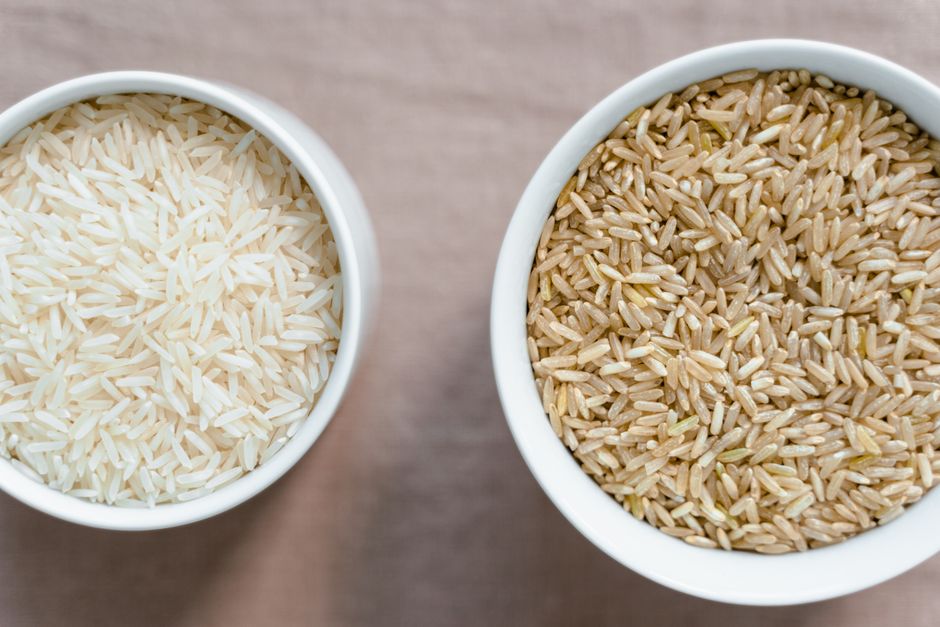
Cooked rice stays good in the fridge for 3 to 4 days when stored properly in an airtight container within two hours of cooking. This is not a suggestion or a best guess — it is the standard food safety guideline from the USDA. After that window, the risk of bacterial growth, particularly Bacillus cereus, increases significantly. Eating rice past day four is a gamble that does not need to be taken.
How Long Is Cooked Rice Good In The Fridge Exactly?
The short answer is 3 to 4 days. That is the official recommendation from food safety authorities including the USDA and FDA. The clock starts the moment the rice finishes cooking, not when you put it in the fridge.
Day one is safest. By day three you should be planning to eat it or freeze it. By day four it is time to toss it. Pushing to day five or six is where most cases of food poisoning from rice happen.
This timeline applies to all types of cooked rice — white, brown, jasmine, basmati, wild rice blends. Brown rice has more nutrients and oils that can go rancid faster, but the safety window for bacterial growth is the same.
Rice left at room temperature for more than two hours should be discarded immediately. That two-hour rule is not flexible. If the room is above 90°F, like a hot kitchen or outdoor picnic, the window drops to one hour.
Why Does Cooked Rice Go Bad Faster Than Other Leftovers?
Most people assume rice is safe because it looks fine. That is the problem. Rice does not spoil the way meat or dairy does. It does not smell bad or develop visible mold until bacteria have already multiplied to dangerous levels.
The main culprit is Bacillus cereus, a bacterium commonly found in soil and raw rice. Cooking kills most of it, but not the spores. Those spores survive boiling water. When cooked rice sits at room temperature, the spores germinate and produce toxins that cause vomiting and diarrhea.
Research published in the Journal of Food Protection found that Bacillus cereus can double its population in as little as 20 minutes at room temperature. Refrigeration slows this growth dramatically but does not stop it entirely. That is why the 3 to 4 day limit exists.
Fried rice is a common source of Bacillus cereus poisoning because leftover rice is often used. The initial cooking kills competing bacteria, giving Bacillus cereus spores an advantage when the rice cools slowly.
How to Store Cooked Rice Properly
Cool the rice quickly before refrigerating. Do not leave it on the counter to cool for hours. Spread it in a thin layer on a baking sheet to speed cooling, then transfer to an airtight container. Alternatively, place the container in an ice water bath for a few minutes.
Use shallow containers rather than deep ones. Shallow containers cool the rice faster because the surface area is larger. A deep pot of rice can stay warm in the center for hours, keeping bacteria active.
Keep the rice in the coldest part of the refrigerator, not the door. The door is the warmest spot because it opens frequently. The back of the top or middle shelf stays at a more consistent temperature.
- Cool rice within one hour of cooking
- Store in airtight containers to prevent moisture loss and odor absorption
- Label containers with the date — do not rely on memory
- Keep refrigerator temperature at 40°F or below
- Freeze rice if you will not eat it within 4 days





Can You Freeze Cooked Rice and How Long Does It Last?
Freezing cooked rice extends its shelf life to 3 to 6 months. The texture changes slightly after thawing, but the safety remains intact indefinitely at 0°F. Quality degrades before safety does in the freezer.
Portion rice into individual servings before freezing. This lets you thaw only what you need. Use freezer-safe bags or containers and remove as much air as possible. Press the bag flat before sealing — this saves space and helps rice thaw evenly.
To thaw, move the frozen rice to the refrigerator overnight. For faster use, add the frozen rice directly to soups, stir-fries, or microwave it with a damp paper towel on top to add moisture.
Do not refreeze thawed rice. Each freeze-thaw cycle damages cell structure and increases moisture loss. More importantly, it gives bacteria another opportunity to grow during the thawing process.
How to Tell If Cooked Rice Has Gone Bad
Check for these signs before eating leftover rice. If any one of them is present, throw the rice away. Do not taste-test to confirm.
| Sign | What to Look For | Action |
|---|---|---|
| Smell | Sour, musty, or off odor | Discard immediately |
| Texture | Hard, dry, slimy, or sticky film | Discard immediately |
| Mold | Green, black, or white fuzzy spots | Discard immediately |
| Time | More than 4 days in fridge | Discard regardless of appearance |
The biggest mistake people make is relying on smell alone. Bacillus cereus and other pathogens can cause illness without producing any noticeable odor. Rice that looks and smells perfectly fine can still make you sick. When in doubt, throw it out.
If the rice has been left out on the counter for more than two hours, do not refrigerate it as a last resort. The bacteria have already multiplied. Refrigeration will not reverse the toxin production that has already occurred.
Common Misconceptions About Rice Storage
One widespread myth is that reheating rice kills all bacteria and makes it safe again. This is false. Reheating kills the bacteria themselves, but the heat-stable toxins they produced remain intact. Those toxins are what cause food poisoning. You can microwave rice to steaming hot and still get sick.
Another myth is that adding vinegar or lemon juice to rice preserves it longer. Acidic ingredients can slightly inhibit bacterial growth, but not enough to extend the 3 to 4 day window. Do not rely on this as a preservation method.
Some people believe that keeping rice in the pot it was cooked in is fine. This is risky because the pot retains heat for a long time, keeping rice in the danger zone between 40°F and 140°F for hours. Always transfer to shallow containers.
The idea that “rice is fine as long as it smells okay” is the most dangerous misconception. Bacillus cereus poisoning does not produce a smell. People have been hospitalized after eating rice that passed the sniff test.
What to Do If You Eat Bad Rice
Symptoms of Bacillus cereus poisoning usually appear within 1 to 6 hours after eating. The two types are diarrheal and emetic. The emetic type causes vomiting and nausea. The diarrheal type causes abdominal cramps and watery diarrhea. Both are unpleasant but typically resolve within 24 hours without medical treatment.
Severe cases require medical attention, especially in young children, older adults, pregnant women, and people with weakened immune systems. Signs of severe illness include high fever, bloody stools, prolonged vomiting leading to dehydration, and inability to keep fluids down.
If you suspect food poisoning from rice, drink clear fluids to stay hydrated. Do not take anti-diarrhea medication unless directed by a doctor — the body needs to expel the toxins. Contact a healthcare provider if symptoms are severe or last longer than 24 hours.
The best approach is prevention. Follow the 3 to 4 day rule, store rice properly, and trust the timeline more than your senses. Rice is inexpensive. A trip to the emergency room is not.
Frequently Asked Questions
Can I eat cooked rice after 5 days in the fridge?
No. The USDA recommends discarding cooked rice after 4 days. Eating rice on day 5 increases your risk of food poisoning from Bacillus cereus bacteria.
How do I reheat leftover rice safely?
Reheat rice to an internal temperature of 165°F. Add a tablespoon of water and cover the container to create steam. Only reheat the portion you plan to eat once.
Does rice go bad if left out overnight?
Yes. Cooked rice left at room temperature for more than two hours should be thrown away. Bacteria multiply rapidly in the danger zone between 40°F and 140°F.
Can I freeze rice in the container it was cooked in?
No. Glass or ceramic containers can crack from thermal shock in the freezer. Use freezer-safe bags or plastic containers designed for freezing temperatures.
