
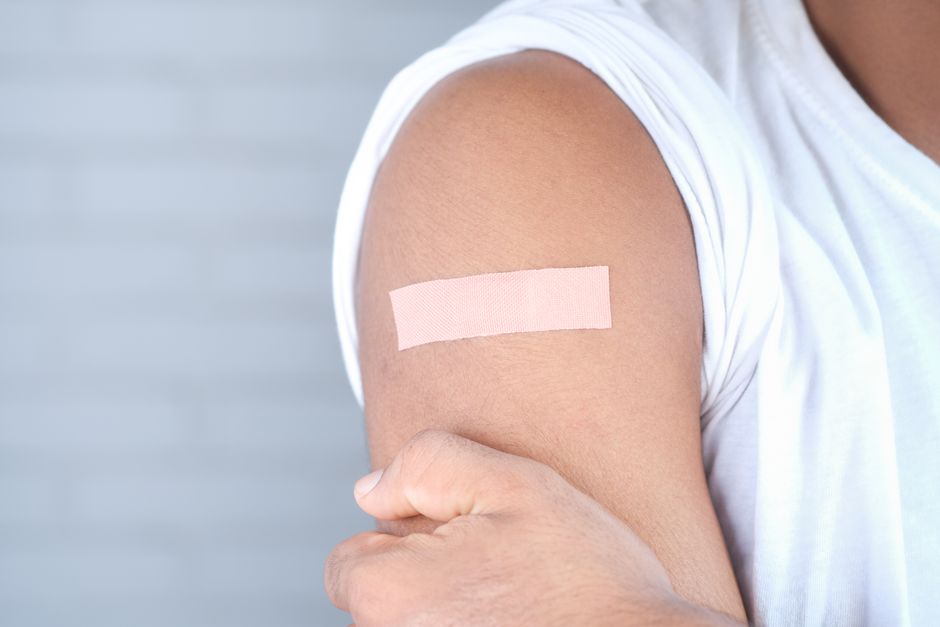
No, the meningitis B vaccine (MenB) is not required for college in the United States. It is recommended for certain groups, but no federal mandate exists, and most colleges do not require it for enrollment. What schools require instead is the meningococcal ACWY vaccine, which protects against four other strains of the same bacterium.
That gap between “recommended” and “required” confuses a lot of students and parents. The two vaccines sound almost identical. They are not. Understanding the difference matters, because MenB causes a disproportionate share of meningococcal disease on college campuses.
What Is the Difference Between MenACWY and MenB Vaccines?
Both vaccines protect against Neisseria meningitidis, the bacterium that causes meningococcal disease. They target different strains of that bacterium.
The MenACWY vaccine covers serogroups A, C, W, and Y. The MenB vaccine covers serogroup B. There is no single vaccine that covers all five in the United States.
This distinction is not trivial. Serogroup B has caused a majority of meningococcal disease outbreaks on US college campuses in recent years, according to the Centers for Disease Control and Prevention. The strain that dominates outbreaks is precisely the one the routinely required vaccine does not cover.
Some countries, including the United Kingdom and Ireland, include MenB in their routine infant immunization schedules. The United States does not. MenB vaccination in the US is recommended based on shared clinical decision-making — meaning the patient and clinician decide together whether it makes sense — rather than as a standard schedule item for all adolescents.
Is the Meningitis B Vaccine Required for College?
No. MenB is not a required vaccine for college enrollment anywhere in the United States.
What is required — or at least expected — is MenACWY. Many states require it for college entry, and the CDC recommends it for all adolescents, with a booster dose for those entering college if their last dose was before age 16.
A small number of colleges have gone further and required MenB during specific outbreak situations. These are temporary, campus-specific requirements, not standing policy. They typically emerge when a serogroup B outbreak is already underway.
Some individual colleges list MenB as “recommended” rather than “required” in their health forms. That wording is deliberate. It reflects the advisory nature of the CDC guidance.
Why Isn’t MenB Required If It Protects Against Outbreak Strains?
The honest answer involves both disease rarity and cost-effectiveness.
Meningococcal disease is rare in the US. Even in a bad year, total cases number in the low hundreds across the entire country. Serogroup B accounts for a meaningful share of those, but the absolute numbers remain small.
Public health bodies weigh that rarity against the vaccine’s cost. MenB vaccines are among the more expensive routine vaccines. Cost-effectiveness analyses have generally found that universal MenB vaccination prevents relatively few cases per dollar spent compared with other vaccines in the schedule.
That does not mean the vaccine lacks benefit for an individual. It means population-level mandates are harder to justify when the disease is uncommon and the vaccine is costly.
There is also a practical consideration. The MenB vaccine series requires multiple doses, and protection may not be complete until some time after the final dose. A student who starts the series right before move-in day may not be fully protected by the time they arrive.




Who Should Get the MenB Vaccine?
The CDC recommends MenB vaccination for people at increased risk, and also advises that adolescents and young adults aged 16 to 23 may receive it based on shared clinical decision-making.
Groups at increased risk include:
- People with certain complement deficiencies or complement component disorders
- People taking complement inhibitors, such as eculizumab or ravulizumab
- Microbiologists who routinely work with Neisseria meningitidis
- People exposed during a serogroup B outbreak
- People with functional or anatomic asplenia
For everyone else in the 16-to-23 range, the decision is genuinely individual. The vaccine is available, it is considered safe, and it protects against a strain that causes campus outbreaks. Whether that protection is worth it depends on personal circumstances and how a person weighs a rare but severe disease against the cost and inconvenience of a vaccine series.
Some clinicians recommend it routinely to college-bound students. Others discuss it and leave the decision to the patient. Both approaches are consistent with current guidance.
How Common Is Meningococcal Disease on College Campuses?
It is rare, but college students living in residence halls are at higher risk than the general population of the same age.
The reasons are behavioral and environmental. Close living quarters, shared dining and social spaces, and behaviors like kissing or sharing drinks facilitate transmission of the bacterium, which spreads through respiratory and throat secretions.
Outbreaks do happen. When they do, they tend to be caused by serogroup B, and they tend to move quickly through tight social networks. Public health officials sometimes respond with mass vaccination campaigns using MenB vaccines.
That pattern — rare disease, but concentrated risk in a specific setting — is exactly why the recommendation exists without a mandate.
What Are the Symptoms of Meningococcal Disease?
Symptoms can develop rapidly, sometimes within hours, and early signs can resemble the flu.
Common symptoms include:
- Sudden fever
- Severe headache
- Stiff neck
- Nausea and vomiting
- Increased sensitivity to light
- Confusion or altered mental status
- A dark purple rash that does not fade when pressed
That rash is a late sign. By the time it appears, the disease may already be advanced. Meningococcal disease can progress to meningitis (infection of the membranes around the brain and spinal cord) or meningococcemia (infection of the bloodstream), and both can be fatal within a day.
Anyone with these symptoms should seek emergency medical care immediately. This is not a wait-and-see situation.
Should You Get the MenB Vaccine Before College?
The decision is worth discussing with a clinician, ideally well before the school year starts.
Timing matters because the MenB series requires more than one dose, and full protection is not achieved immediately after the first shot. Starting the conversation months ahead gives room to complete the series before classes begin.
It is also worth asking your specific college’s health service what they recommend. Some schools actively encourage MenB even though they do not require it. Others provide it on campus during outbreaks.
No clinical guidelines currently exist that tell every college student to get MenB. The guidance is intentionally individualized. That means the decision rests on a conversation about personal risk, cost, and timing — not on a universal rule.
What Happens If You Don’t Get It?
Nothing happens administratively. No college will block your enrollment for declining MenB.
What you are accepting is a small but real risk. The disease is uncommon, but it is severe when it occurs, and the strain most likely to cause campus outbreaks is the one MenB covers.
That is the trade-off in plain terms. A rare disease with serious consequences, a vaccine that targets the outbreak strain, and a recommendation that stops short of a requirement.
Frequently Asked Questions
Is the meningitis B vaccine required for college in the US?
No. MenB is not required for college enrollment in the United States. The MenACWY vaccine is the one many colleges require.
What vaccine do colleges require for meningitis?
Most colleges that require a meningitis vaccine require MenACWY, which covers serogroups A, C, W, and Y. Some also recommend MenB, but do not require it.
Can you get meningococcal B disease if you had the MenACWY vaccine?
Yes. MenACWY does not protect against serogroup B. Only the MenB vaccine covers that strain.
Should college students get the MenB vaccine?
The CDC advises that adolescents and young adults aged 16 to 23 may receive it based on shared clinical decision-making with a clinician. It is specifically recommended for people at increased risk, such as those with certain complement deficiencies.
