
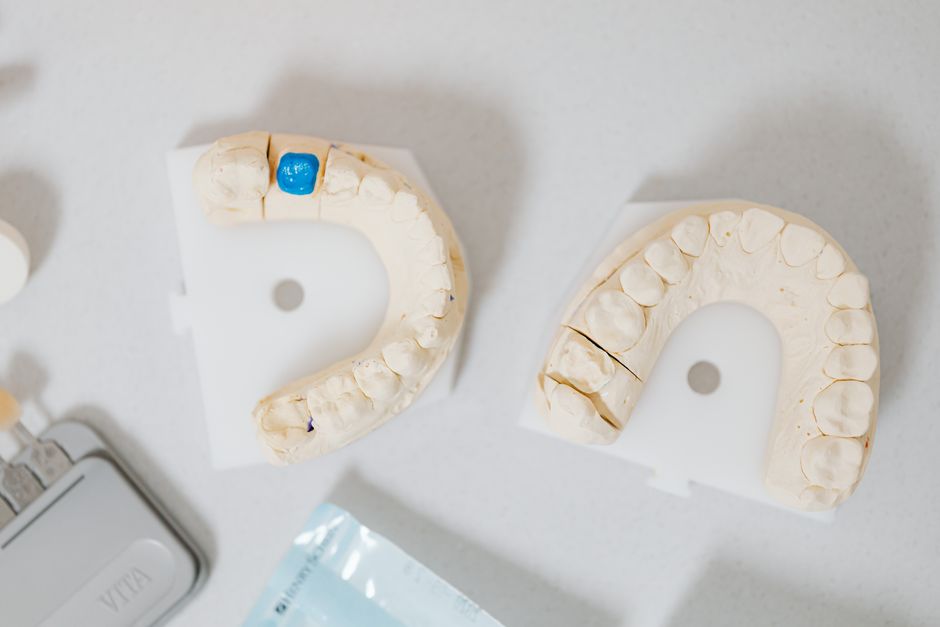
Tooth decay is not a sudden event. It is a slow process driven by specific bacteria, sugar, and time. Cavities form when acid produced by bacteria in your mouth dissolves the hard enamel that protects your teeth. Once that protective layer breaks down, the damage can spread deeper into the tooth, and it will not heal on its own.
What Actually Causes a Cavity to Form?
Your mouth is full of bacteria. Most are harmless, but some produce acid when they feed on sugar. The most important of these is Streptococcus mutans.
These bacteria stick to your teeth and form a sticky film called plaque. Every time you eat or drink something sugary, the bacteria feed and release acid. This acid attack lasts about 20 to 30 minutes after you finish eating.
The acid does not damage your teeth instantly. It slowly pulls minerals out of the enamel in a process called demineralization. Your saliva naturally puts minerals back, which is called remineralization. A cavity forms when the acid wins more often than your saliva can repair the damage.
The Stages of Tooth Decay Explained
Tooth decay does not happen all at once. It moves through clear stages, and early stages can be reversed. Later stages cannot.
Stage 1: White Spots on the Enamel
The first sign of decay is a chalky white spot on the tooth surface. This is where acid has removed minerals from the enamel. At this point, the tooth is not yet cavitated. The damage is reversible with fluoride and better brushing habits.
Stage 2: Enamel Decay
If the acid attacks continue, the enamel breaks down further. A visible hole or cavity forms. Once enamel is lost, your body cannot regrow it. A dentist must repair this with a filling.
Stage 3: Dentin Involvement
Below the enamel is a softer layer called dentin. Dentin is less mineralized than enamel, so acid destroys it faster. Dentin also contains tiny tubes that connect to the nerve of the tooth. When decay reaches dentin, you may notice sensitivity to hot, cold, or sweet foods.
Stage 4: Pulp Infection
The pulp is the innermost part of the tooth. It contains nerves and blood vessels. When bacteria reach the pulp, it becomes inflamed and infected. This causes severe pain. At this stage, a root canal is usually needed to save the tooth.
Stage 5: Abscess
If untreated, the infection spreads beyond the root tip into the jawbone. This forms an abscess, which is a pocket of pus. An abscess is a serious medical situation that requires immediate dental care.
Why Do Some People Get More Cavities Than Others?
Cavity risk is not just about how much sugar you eat. Several factors determine whether decay progresses or stays in check.
- Saliva flow: Saliva washes away food and neutralizes acid. People with dry mouth have significantly higher cavity risk.
- Tooth anatomy: Deep grooves and pits on molars trap food and bacteria more easily than smooth surfaces.
- Fluoride exposure: Fluoride strengthens enamel and helps reverse early demineralization.
- Oral hygiene: Regular brushing removes plaque before bacteria can produce enough acid to cause damage.
- Diet frequency: Snacking all day exposes teeth to acid more often than eating three meals a day, even if total sugar intake is the same.
Genetics also play a role. Some people naturally have thicker enamel or more protective saliva proteins. But genetics are not destiny. Environmental factors matter more for most people.
-
 Why Am I So Obsessed With Him Science Explains?
 -
Does Bronchitis Go Away On Its Own? Complete Science Guide
-
Why Do You Produce So Much Earwax? The Science Behind It
-
How To Improve Foot Health Daily Habits That Work?
-
ProDentim Reviews 2026 – Does This Oral Probiotic Really Improve Teeth and Gum Health?





How Do Cavities Work The Science Of Tooth Decay at the Micro Level
The science of tooth decay comes down to a pH balance. Your mouth has a natural pH around 6.5 to 7.0, which is nearly neutral. When bacteria metabolize sugar, they produce lactic acid and other acids that drop the pH below 5.5.
That number matters. 5.5 is the critical pH for enamel. Below this level, enamel begins to dissolve. The lower the pH drops, the faster minerals leave the tooth structure.
Your saliva works against this. It contains calcium, phosphate, and bicarbonate. These ingredients neutralize acid and push minerals back into the enamel. This constant battle between acid attacks and saliva repair happens hundreds of times per day.
Over weeks and months, if acid attacks happen more often than repairs, the enamel loses too much mineral content. The enamel surface becomes porous, then caves in. That collapse is the cavity you can see.
What Sugar Does to Your Teeth That Other Foods Do Not
Not all foods cause cavities equally. Sugar is the primary fuel for cavity-causing bacteria. But the type of sugar and how long it stays in your mouth matters.
Sucrose, which is table sugar, is particularly harmful. Bacteria use it to produce acid and also to build plaque. Plaque makes it harder for saliva to reach the tooth surface.
Sticky foods like dried fruit, caramel, and gummy candies are worse than foods that clear quickly. They cling to teeth and give bacteria a longer feeding time. Sugary drinks are also risky because they bathe all teeth in sugar at once.
Starchy foods like chips and crackers can also cause decay. Saliva breaks starch down into sugar in the mouth. These foods can get trapped between teeth and feed bacteria for extended periods.
Can You Reverse a Cavity?
Only the earliest stage of decay can be reversed. White spots on enamel without an actual hole can remineralize with fluoride and good oral hygiene.
Once a physical hole forms in the enamel, the tooth cannot heal itself. Enamel has no living cells. It cannot regenerate. The cavity will continue to grow unless a dentist removes the decayed tissue and places a filling.
Fluoride toothpaste, fluoride varnish at the dentist, and prescription-strength fluoride gels can help reverse early decay. Some research also suggests that a compound called nano-hydroxyapatite, found in some toothpastes, can support remineralization. The evidence for nano-hydroxyapatite is promising but less established than fluoride.
If you have a visible cavity or persistent tooth pain, home remedies will not fix it. You need professional treatment.
How to Stop Decay Before It Starts
Prevention targets the three requirements for cavities: bacteria, sugar, and time. Remove any one of these, and decay cannot progress.
Brush twice a day with fluoride toothpaste. This physically removes plaque and delivers fluoride to the enamel surface. Pay special attention to the back molars, where grooves trap food.
Floss daily. Brushing only cleans about 60 percent of tooth surfaces. The spaces between teeth are common starting points for cavities.
Limit how often you eat sugar, not just how much. Every sugary snack triggers an acid attack. Cutting between-meal snacking gives saliva time to repair damage between meals.
Drink water throughout the day. Water rinses away food and keeps saliva flowing. If you drink sugary beverages, have them with meals rather than sipping them all day.
See your dentist regularly. Professional cleanings remove tartar that brushing cannot. X-rays catch decay between teeth before you can see or feel it.
When a Cavity Is More Than a Tooth Problem
Untreated cavities do not stay in the tooth. The infection can spread to the jawbone and, in rare cases, into the bloodstream. This can lead to serious systemic illness.
Dental infections can also affect overall health. Research has linked chronic oral inflammation to cardiovascular disease and diabetes, though the exact nature of these relationships is still being studied. The link is real, but it is not fully understood.
Pain from cavities can interfere with eating, sleep, and concentration. In children, untreated decay is a leading cause of missed school days. In adults, it can affect nutrition and quality of life.
Dental treatment is not just cosmetic. Removing decay and restoring teeth protects your overall health.
Frequently Asked Questions
Can a cavity heal on its own without seeing a dentist?
Only the earliest stage of decay, before a hole forms, can remineralize with fluoride and good hygiene. Once a physical cavity develops, it will not heal and requires professional treatment.
How long does it take for a cavity to form?
It typically takes months to years for a cavity to form, depending on your diet, oral hygiene, and saliva flow. Some people develop cavities faster because of dry mouth or frequent sugar intake.
Does a cavity hurt at first?
Early cavities usually cause no pain at all. Pain typically appears when decay reaches the dentin layer or the nerve inside the tooth.
Can you stop tooth decay once it starts?
You can stop early demineralization with fluoride and better brushing habits. But once enamel is physically broken, only a dentist can remove the decay and restore the tooth.
