
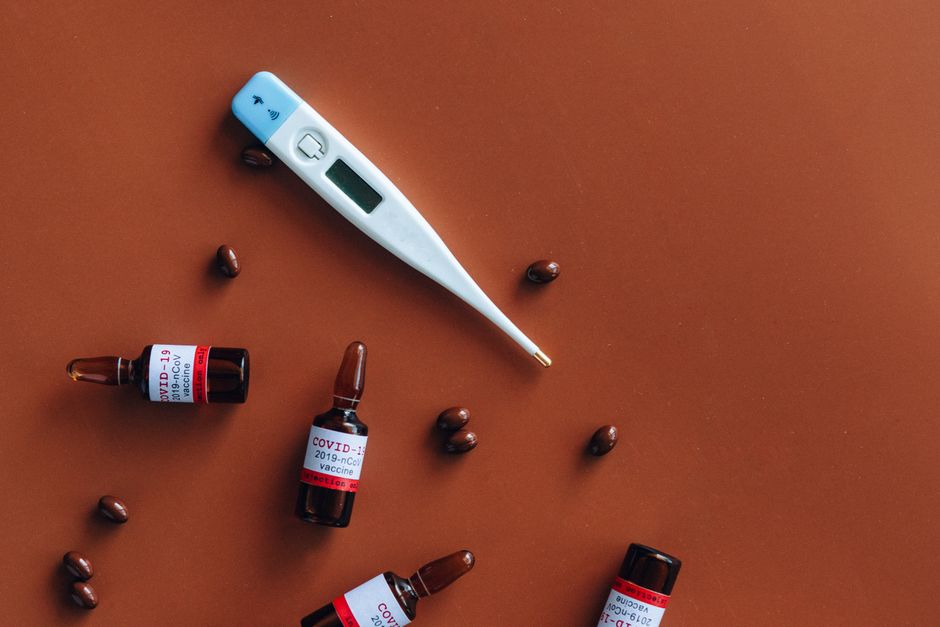
Yes, there is an RSV vaccine available for adults. In 2023, the FDA approved two RSV vaccines for adults aged 60 and older. A third option is approved for adults aged 50 to 59 who have certain chronic conditions. These vaccines protect against severe lower respiratory tract disease caused by respiratory syncytial virus, which can be dangerous for older adults.
What Is RSV and Why Should Adults Care?
Respiratory syncytial virus, or RSV, is not just a childhood illness. It is a common respiratory virus that circulates every fall and winter in the United States. Most people who get it experience mild cold-like symptoms. But for older adults, the infection can move into the lungs and cause pneumonia or bronchiolitis.
RSV sends tens of thousands of older adults to the hospital every year in the US. It can also worsen existing health problems like asthma, COPD, and congestive heart failure. For people over 60, especially those with chronic medical conditions, RSV is a genuine health risk, not a minor inconvenience.
Which RSV Vaccines Are Approved for Adults?
Three RSV vaccines are currently approved for adults in the United States. Two are approved for people aged 60 and older: Arexvy (from GSK) and Abrysvo (from Pfizer). A third vaccine, mResvia (from Moderna), is also approved for adults 60 and older.
In 2024, the FDA expanded approval for both Arexvy and Abrysvo to include adults aged 50 to 59 who have certain chronic medical conditions. These include chronic lung disease, heart disease, diabetes, and other conditions that raise the risk of severe RSV.
All three vaccines work by teaching your immune system to recognize the RSV fusion protein, the part of the virus it uses to enter human cells. None of them contain live virus, so they cannot give you RSV.
How Well Do the RSV Vaccines Work?
Clinical trials show these vaccines are effective at preventing severe RSV disease. In studies, the vaccines reduced the risk of severe lower respiratory tract illness by roughly 80 percent in older adults during the first season after vaccination. Protection remains moderate in the second season but does decline over time.
The trials measured protection against severe illness, meaning illness that requires medical attention or interferes with daily activities. The vaccines are less effective at preventing mild RSV infections entirely. This matters because the goal is preventing hospitalization and serious complications, not eliminating every sniffle.
Real-world data collected after the vaccines reached the market shows results consistent with the clinical trials. Studies published in medical journals like the Journal of the American Medical Association have confirmed the vaccines perform well in actual clinical practice, not just in controlled trial settings.

Who Should Get the RSV Vaccine?
The CDC recommends a single dose of RSV vaccine for all adults aged 75 and older. For adults aged 60 to 74, the recommendation applies to those with certain chronic medical conditions or who live in nursing homes. This is a shared clinical decision between you and your doctor.
Adults aged 50 to 59 with chronic conditions may also be eligible under the FDA approval. However, routine recommendations for this younger age group are still being evaluated. Some clinicians recommend it, but official guidance varies by individual risk profile.
People who should not get the RSV vaccine include those with a history of severe allergic reaction to a previous dose or to any vaccine component. If you have an active moderate or severe illness with fever, your doctor may suggest waiting until you recover.
What Are the Side Effects of the RSV Vaccine?
The RSV vaccines have a similar side effect profile to other adult vaccines. The most common reactions are pain at the injection site, fatigue, headache, and muscle aches. These typically resolve within a few days.
Most side effects are mild to moderate. In clinical trials, a small number of participants developed more significant reactions, but serious adverse events were rare. As with any vaccine, there is a very small risk of allergic reaction.
During clinical trials, a few cases of Guillain-Barré syndrome, a rare neurological condition, were reported among vaccine recipients. The number was small, and it is not yet clear whether the vaccine causes this condition. Health agencies continue to monitor this closely. The benefit of preventing severe RSV disease appears to outweigh this rare potential risk for most older adults.
Is the RSV Vaccine the Same as the Flu or COVID Vaccine?
No. RSV, influenza, and COVID-19 are three different viruses that cause similar respiratory symptoms. Each requires its own vaccine. They do not protect against each other.
You can receive the RSV vaccine at the same visit as the flu shot or the COVID vaccine. Studies show that co-administration produces adequate immune responses, and side effects are similar to getting the vaccines separately. Your doctor or pharmacist can help you plan the timing.
One practical note: RSV vaccination is not an annual shot like the flu vaccine. The current recommendation is a single dose for eligible adults. Research is ongoing to determine whether repeat doses will be needed in future years as immunity wanes.
When Should You Get the RSV Vaccine?
RSV season in the US typically runs from October through March or April. The CDC recommends getting vaccinated in late summer or early fall, before the virus starts spreading widely in your community.
Unlike the flu shot, which you need every year, the RSV vaccine is currently a one-time dose. If you received an RSV vaccine last year, you do not need another one this year. Scientists do not yet know if or when a booster will be recommended.
If you missed the fall window, it is still worth getting vaccinated during winter months if RSV is actively circulating in your area. The vaccine takes about two weeks to build full protection, so earlier is better, but late is not useless.
How Much Does the RSV Vaccine Cost?
For adults with Medicare Part D coverage, the RSV vaccine is covered at no cost. Most private insurance plans also cover the vaccine for adults who meet the CDC recommendations. Medicaid covers it in most states.
If you are uninsured or your insurance does not cover the vaccine, the out-of-pocket cost is roughly $200 to $300 per dose. Some pharmacies offer savings programs or discounts. You can ask your pharmacy about pricing before you commit.
Check with your insurance provider before your appointment to confirm coverage. Coverage rules can vary depending on your specific plan and your age. A quick phone call can prevent an unexpected bill.
Is There an RSV Vaccine for Younger Adults?
Currently, no RSV vaccine is approved for healthy adults under 50. The vaccines are being studied in younger populations, but the clinical need is lower because younger adults rarely develop severe RSV disease.
Healthy adults in their 30s and 40s typically fight off RSV without medical intervention. The infection causes a few unpleasant days of congestion, cough, and fatigue, but it rarely leads to hospitalization in this age group. Because the risk is low, the benefit of vaccination is less clear.
If you are under 50 and have a chronic medical condition, talk to your doctor about your RSV risk. Some specialists may recommend vaccination on an off-label basis, but insurance coverage and availability may be limited.
What About RSV Protection for Infants and Young Children?
RSV is most dangerous for infants and young children, but the protection strategy is different. For infants, the CDC recommends an antibody shot called nirsevimab (Beyfortus) for those under 8 months entering their first RSV season. This provides passive immunity, meaning the baby receives antibodies rather than making their own.
Pregnant women can also receive an RSV vaccine (Abrysvo) during weeks 32 through 36 of pregnancy. This passes antibodies to the baby through the placenta, providing protection during the first months of life.
The maternal vaccine and the infant antibody shot are both effective. The choice between them depends on timing, availability, and your doctor’s recommendation. Only one of these strategies is typically used for each pregnancy or infant.
Frequently Asked Questions
Can I get the RSV vaccine if I am 55 years old?
Only if you are 50 to 59 and have a chronic medical condition that qualifies under the FDA approval. Healthy adults under 60 do not currently qualify for RSV vaccination.
Is the RSV vaccine safe for people with weakened immune systems?
The vaccines do not contain live virus, so they are generally considered safe for immunocompromised individuals. However, the immune response may be weaker, and you should discuss timing and risks with your doctor before vaccination.
Do I need an RSV vaccine every year like the flu shot?
No. The current recommendation is a single dose for eligible adults. Research is still determining whether annual boosters will be needed as protection wanes over time.
Can I get RSV, flu, and COVID vaccines at the same appointment?
Yes. Studies show these vaccines can be given at the same visit without reducing effectiveness. Side effects are similar to receiving them separately.
